2025 Mental Health Benefits: Top Employer Offerings Beyond EAPs
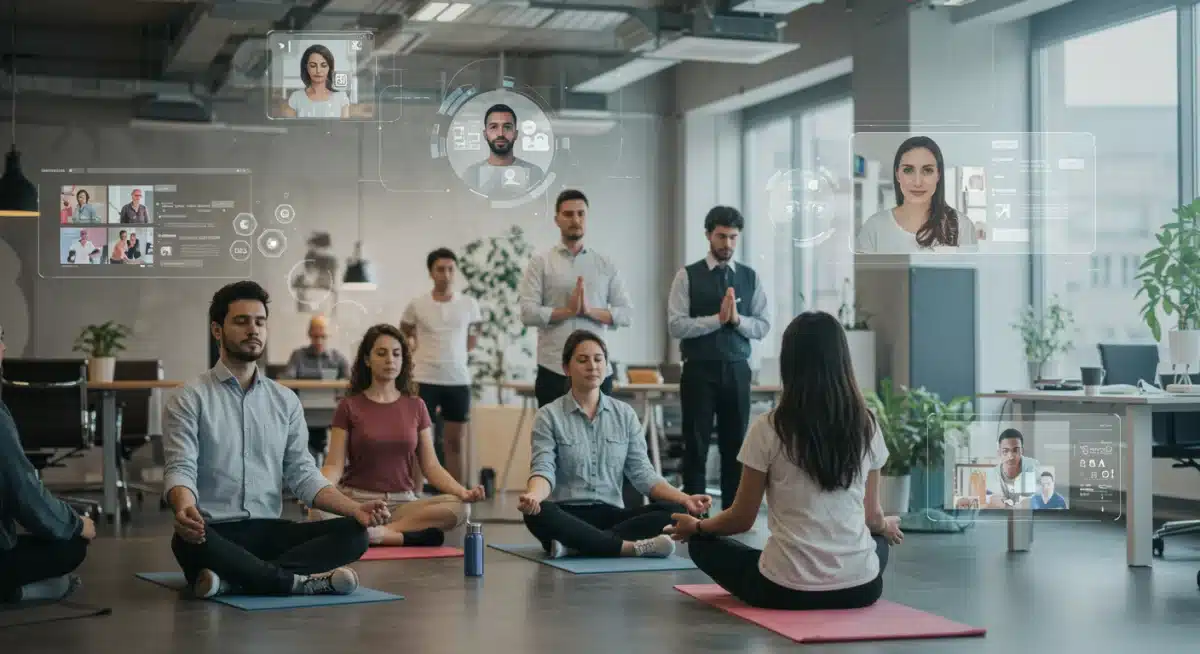
The 2025 mental health benefits landscape sees employers moving beyond basic EAPs, embracing holistic, personalized, and technology-driven solutions to foster comprehensive employee well-being and resilience.
As we look towards 2025, the conversation around employee well-being has shifted dramatically, with a pronounced emphasis on mental health. Employers are recognizing that traditional Employee Assistance Programs (EAPs) alone are often insufficient to address the complex and evolving mental health needs of their workforce. This necessitates a proactive and comprehensive approach to curate robust 2025 mental health benefits that truly support employees.
The evolving landscape of workplace mental health
The societal shift in destigmatizing mental health, coupled with the lingering effects of global stressors, has fundamentally reshaped employer responsibilities. What was once considered a niche concern is now a core component of a thriving workplace culture. Companies are realizing that investing in comprehensive mental health support isn’t just a moral imperative; it’s a strategic business decision that impacts productivity, retention, and overall organizational health.
This evolution requires a move beyond reactive solutions. While EAPs provide a foundational layer of support, their limitations, such as low utilization rates and a focus on short-term problem-solving, have become increasingly apparent. Forward-thinking organizations are now exploring a broader spectrum of offerings designed to foster psychological safety, resilience, and proactive well-being among their staff.
Understanding the limitations of traditional EAPs
- Low utilization rates: Many employees are unaware of EAP services or hesitant to use them due to privacy concerns.
- Limited scope: EAPs often focus on crisis intervention rather than long-term, preventative care.
- Accessibility barriers: Services might not be culturally competent or easily accessible to all employees.
- Stigma: The perception of EAPs being for ‘problems’ rather than general well-being can deter use.
The conclusion here is clear: while EAPs still hold value, they are no longer sufficient as the sole pillar of an employer’s mental health strategy. A multi-faceted approach is essential to meet the diverse needs of a modern workforce, emphasizing accessibility, personalization, and proactive care.
Personalized mental health coaching and therapy platforms
One of the most significant advancements in 2025 mental health benefits is the rise of personalized mental health coaching and therapy platforms. These digital-first solutions offer employees direct access to licensed therapists and certified mental health coaches through secure video calls, messaging, and interactive digital content. Unlike generic EAPs, these platforms often use AI-driven matching algorithms to pair employees with providers who best fit their specific needs, preferences, and cultural backgrounds.
These platforms often incorporate a blend of evidence-based modalities, including Cognitive Behavioral Therapy (CBT), Dialectical Behavior Therapy (DBT), and mindfulness practices. The flexibility of scheduling and the privacy afforded by virtual sessions significantly reduce barriers to access, making mental health support more attainable for a wider range of employees, including those in remote or hybrid work environments. This personalized approach fosters a sense of agency and empowerment, allowing individuals to take control of their mental well-being journey.
Key features of advanced therapy platforms
- AI-powered matching: Connects employees with suitable therapists based on their profile.
- Flexible scheduling: Appointments available at convenient times, including evenings and weekends.
- Diverse modalities: Offers various therapeutic approaches to cater to individual needs.
- Integrated support: Combines therapy with coaching, digital tools, and educational resources.
The shift towards personalized, on-demand mental health support marks a crucial step in modernizing employee benefits, ensuring that care is not only available but also highly relevant and effective for each individual.
Proactive well-being and resilience programs
Beyond addressing existing mental health challenges, leading employers in 2025 are heavily investing in proactive well-being and resilience programs. These initiatives aim to prevent burnout, reduce stress, and build mental fortitude before issues escalate. Such programs often integrate mindfulness training, stress management workshops, and emotional intelligence development into the regular work week.
Many organizations are implementing dedicated platforms that offer guided meditation, sleep improvement techniques, and digital cognitive exercises. These tools empower employees to develop coping mechanisms and self-care practices that contribute to long-term mental health. The emphasis is on creating a culture where well-being is not just supported but actively cultivated, recognizing that a resilient workforce is a productive and engaged one. This proactive stance is a hallmark of truly progressive 2025 mental health benefits.
Building a culture of resilience
Employers are increasingly recognizing that organizational culture plays a pivotal role in mental well-being. This includes fostering open communication, promoting work-life balance, and providing resources for managers to identify and support employees who may be struggling. Training for leaders on mental health first aid and empathetic communication is becoming standard practice, ensuring that support trickles down effectively throughout the organization.
The goal is to move beyond reactive measures and create an environment where mental health is openly discussed, supported, and prioritized. This holistic approach not only benefits individual employees but also strengthens the collective resilience of the entire company, preparing it to navigate future challenges more effectively.
Digital mental health tools and apps
The proliferation of digital mental health tools and apps represents another frontier in 2025 mental health benefits. These resources offer a scalable and accessible way to provide employees with immediate support and self-help options. From mood tracking and journaling apps to guided meditation and CBT-based programs, the variety of digital offerings is vast and continually expanding.
Many employers are partnering with providers that curate a selection of evidence-based apps, often integrating them into a broader wellness portal. This allows employees to explore different tools that resonate with their personal needs and preferences. The anonymity and convenience of these apps can lower the barrier to entry for individuals who might be hesitant to seek traditional therapy, providing a valuable first step towards addressing their mental well-being.
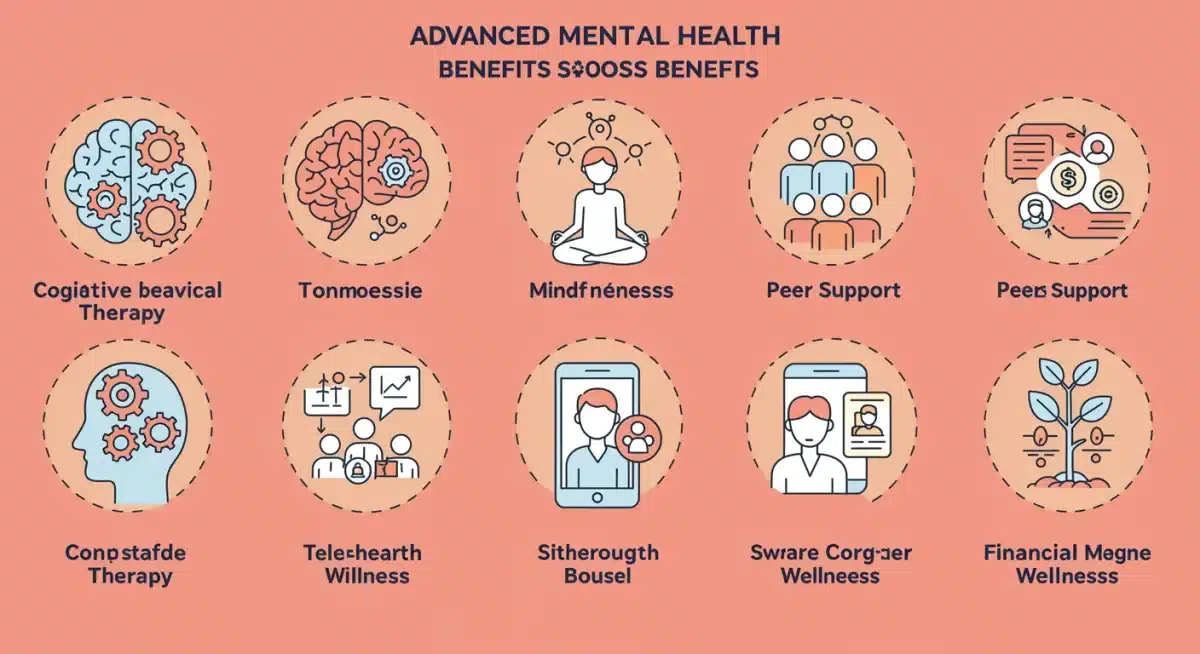
Furthermore, some advanced apps offer personalized pathways, adapting content and recommendations based on user input and progress. This level of customization ensures that employees receive relevant and engaging content, enhancing the likelihood of sustained engagement and positive outcomes. The data generated by these platforms, when aggregated and anonymized, can also provide valuable insights for employers to refine their mental health strategies.
Benefits of integrating digital tools
- Accessibility 24/7: Support is available anytime, anywhere, fitting into diverse schedules.
- Self-paced learning: Employees can engage with content at their own comfort level.
- Anonymity and privacy: Reduces stigma associated with seeking help.
- Cost-effectiveness: Scalable solutions often more affordable than traditional one-on-one therapy for all employees.
The integration of digital mental health tools and apps is transforming how employers can deliver comprehensive and flexible mental health support, making proactive well-being a tangible reality for every employee.
Financial wellness and mental health integration
It’s increasingly clear that mental well-being is intrinsically linked to financial stability. Financial stress is a leading cause of anxiety and depression, impacting an employee’s focus, productivity, and overall mental health. Recognizing this, forward-thinking organizations are integrating financial wellness programs as a critical component of their 2025 mental health benefits.
These integrated programs go beyond basic retirement planning. They offer resources for budgeting, debt management, financial literacy, and even access to financial advisors. By alleviating financial burdens, employers are directly addressing a significant stressor that can otherwise undermine mental health initiatives. This holistic view acknowledges the interconnectedness of various aspects of an employee’s life and provides support where it’s most impactful.
The benefits of such integration are multi-fold. Employees experience reduced stress, leading to improved mental clarity and engagement at work. Employers, in turn, see a more focused and stable workforce, with fewer distractions caused by personal financial worries. This strategic pairing of financial and mental health support represents a mature understanding of employee well-being.
Peer support networks and community building
The human need for connection and belonging is powerful, and employers are harnessing this through the development of peer support networks and community-building initiatives as part of their 2025 mental health benefits. These programs create safe spaces where employees can share experiences, offer mutual support, and feel less isolated.
Peer support can take many forms, from organized affinity groups and employee resource groups (ERGs) focused on mental health, to mentorship programs and informal chat forums. The key is to foster an environment where employees feel comfortable reaching out to colleagues who understand their struggles, free from judgment. This can be particularly effective for individuals who may feel hesitant to seek formal therapy but are open to connecting with peers.
By building a supportive community, employers are not only providing an additional layer of mental health support but also strengthening the social fabric of the organization. A strong sense of community contributes to higher morale, increased engagement, and a more inclusive workplace culture. These networks serve as vital informal support systems, complementing the more formal benefit offerings.
Advantages of peer support
- Reduced stigma: Normalizes mental health conversations within the workplace.
- Shared experience: Provides comfort and understanding from those with similar challenges.
- Sense of belonging: Fosters community and reduces feelings of isolation.
- Accessible support: Offers an immediate, informal channel for help.
The cultivation of robust peer support networks is a testament to the growing recognition that mental health is a collective responsibility, best addressed through a combination of professional resources and authentic human connection.
| Key Mental Health Benefit | Brief Description |
|---|---|
| Personalized Therapy Platforms | Virtual access to licensed therapists and coaches, often AI-matched for individual needs. |
| Proactive Resilience Programs | Workshops, mindfulness training, and tools to prevent burnout and build mental fortitude. |
| Digital Mental Health Apps | Curated apps for mood tracking, meditation, and self-help, offering accessible, anonymous support. |
| Financial Wellness Integration | Resources for budgeting, debt management, and financial literacy to reduce stress. |
Frequently asked questions about 2025 mental health benefits
Traditional EAPs often suffer from low utilization rates, limited scope focused on crisis intervention, and may not offer the personalized or culturally competent care employees increasingly seek. Their reactive nature often falls short of preventing mental health issues.
These are digital solutions offering virtual access to licensed therapists and coaches, often using AI to match employees with providers based on individual needs. They provide flexible scheduling and diverse therapeutic modalities, enhancing accessibility and privacy.
Proactive programs focus on building resilience and preventing mental health issues before they arise, through initiatives like mindfulness training, stress management, and emotional intelligence development. Reactive support typically addresses problems after they manifest.
Financial stress is a significant contributor to mental health issues like anxiety and depression. Integrating financial wellness resources directly addresses a core stressor, fostering overall well-being and allowing employees to focus better at work.
Peer support networks create safe spaces for employees to connect, share experiences, and offer mutual support. They reduce stigma, foster a sense of belonging, and provide an accessible, informal channel for help, complementing professional services.
Conclusion
The landscape of mental health benefits for 2025 is clearly defined by a move towards more comprehensive, personalized, and proactive solutions that extend far beyond the limitations of traditional EAPs. Employers are increasingly recognizing that investing in the holistic well-being of their workforce is not merely a perk but a strategic necessity for fostering a resilient, engaged, and productive environment. By embracing personalized therapy platforms, proactive resilience programs, digital mental health tools, integrated financial wellness, and robust peer support networks, organizations can cultivate a culture where mental health is prioritized, destigmatized, and genuinely supported, ultimately benefiting both employees and the bottom line.