
Understanding the 2026 College Application Timeline: A Time-Sensitive Guide for High School Seniors in the U.S.
The journey to higher education is an exciting, yet often daunting, phase for high school seniors across the United States. As you approach your final year of high school, the 2026 college application timeline will become your most crucial roadmap. This comprehensive guide is designed to demystify the process, providing you with a clear, month-by-month breakdown of what to expect, what to prioritize, and how to stay ahead. Mastering the 2026 College Timeline is not just about meeting deadlines; it’s about strategic planning, thoughtful execution, and presenting your best self to your dream institutions.
The college application process is more than just filling out forms; it’s a marathon that requires consistent effort, self-reflection, and proactive engagement. From standardized testing to crafting compelling essays, securing strong letters of recommendation, and navigating financial aid, each component plays a vital role. This guide will walk you through each stage, ensuring you are well-prepared and confident as you embark on this significant chapter of your life. Let’s dive into the essential steps to conquer the 2026 college application timeline.
The Pre-Senior Year Summer: Laying the Foundation (Summer 2025)
While your senior year officially kicks off the application frenzy, the summer before it is arguably one of the most critical periods for setting yourself up for success. This is your prime opportunity to tackle tasks that will alleviate pressure once school starts.
Researching Colleges and Programs
This summer is dedicated to extensive research. Explore various colleges and universities that align with your academic interests, career aspirations, and personal preferences. Consider factors such as:
- Academic Programs: Do they offer your desired major? What are the faculty’s strengths?
- Campus Culture: Is it a large university or a small liberal arts college? What kind of social environment do you prefer?
- Location: Urban, suburban, or rural? How far from home do you want to be?
- Financial Aid: What are the estimated costs? What scholarships and aid are available?
- Admissions Requirements: What are the average GPAs, test scores, and prerequisite courses for admitted students?
Create a preliminary list of target schools: a few reach schools, several target schools, and a couple of safety schools. This balanced approach is crucial for a successful 2026 College Timeline strategy.
Standardized Testing (SAT/ACT)
If you haven’t already taken the SAT or ACT, or if you’re looking to improve your scores, the summer is an ideal time for intensive test preparation. Many students opt to take these exams in late spring of their junior year or early fall of their senior year. However, taking a practice test or even the official exam in the summer can give you a baseline and allow for re-takes if needed. Familiarize yourself with the test formats, practice regularly, and consider tutoring or test prep courses if you feel it’s necessary. Remember, strong scores can significantly boost your applications within the 2026 College Timeline.
Brainstorming and Drafting College Essays
The college essay is your chance to tell your story, showcase your personality, and demonstrate your writing skills beyond your academic transcript. The Common Application essay prompts are usually released in the spring, giving you ample time to brainstorm ideas over the summer. Start drafting personal statements and supplemental essays. This process takes time, reflection, and multiple revisions. Getting a head start will prevent last-minute stress and allow for thoughtful feedback from teachers, counselors, or trusted mentors. This early start is a cornerstone of an effective 2026 College Timeline.
Requesting Letters of Recommendation
Identify teachers, counselors, or mentors who know you well and can speak to your strengths, character, and potential. Reach out to them early in the summer to ask if they would be willing to write a letter of recommendation for you. Provide them with a ‘brag sheet’ or resume outlining your achievements, extracurriculars, and specific qualities you’d like them to highlight. Give them plenty of time – ideally several weeks before the earliest deadline – to write a compelling letter. This thoughtful approach ensures quality recommendations, a key element of your 2026 College Timeline.
Extracurricular Activities and Summer Programs
Engage in meaningful extracurricular activities or summer programs that demonstrate your interests, leadership skills, and commitment. This could be volunteering, an internship, a summer course, a job, or a passion project. These experiences not only enrich your personal growth but also provide valuable content for your applications.
Senior Year Begins: The Application Blitz (August – September 2025)
As senior year commences, the college application process moves into high gear. Organization and attention to detail are paramount.
Finalizing College List and Application Platforms
Revisit your preliminary college list. Refine it based on your summer research, test scores, and any new insights. Create accounts on application platforms like the Common Application, Coalition Application, or specific university portals. Begin filling out the demographic information, academic history, and extracurricular sections. This is a repetitive but necessary step in your 2026 College Timeline.
Standardized Testing (Re-takes)
If you’re not satisfied with your previous SAT or ACT scores, or if you need to take them for the first time, early fall offers additional testing dates. Register well in advance, as spots fill up quickly. Remember to send your scores directly to your chosen institutions.
Essay Revisions and Polish
Continue to refine your essays. Seek feedback from multiple sources – teachers, counselors, parents, or even a trusted English-savvy friend. Proofread meticulously for grammar, spelling, and clarity. Your essays are your voice in the application, so ensure they are authentic and impactful. This critical phase of the 2026 College Timeline demands perfection.
Meeting with Your College Counselor
Schedule regular meetings with your high school college counselor. They are an invaluable resource, offering guidance on school-specific requirements, deadlines, and overall strategy. They will also be responsible for sending your transcript and potentially a school profile to colleges.

Early Action & Early Decision Deadlines: Strategic Moves (October – November 2025)
Many colleges offer Early Action (EA) and Early Decision (ED) options. Understanding the difference and strategically utilizing these can be a game-changer in your 2026 College Timeline.
Early Decision (ED)
- Binding: If admitted, you are committed to attending that institution.
- One Choice: You can only apply ED to one school.
- Higher Acceptance Rates: Often, ED acceptance rates are higher than Regular Decision.
- Early Notification: You’ll typically receive a decision in December.
Only apply ED if you are 100% certain that a particular college is your top choice and you are comfortable with the financial commitment.
Early Action (EA)
- Non-Binding: If admitted, you are not obligated to attend.
- Multiple Applications: You can apply EA to multiple schools.
- Early Notification: Similar to ED, decisions are usually released earlier.
- No Commitment: You have until May 1st (National College Decision Day) to make your final choice.
EA is a great option for strong applicants who want to receive early decisions without the binding commitment. Most EA deadlines fall in October or November. Ensure all components – application, essays, test scores, and recommendations – are submitted well before the deadline. This period is a high-stakes moment in the 2026 College Timeline.
Financial Aid Applications (FAFSA & CSS Profile)
The Free Application for Federal Student Aid (FAFSA) typically opens on October 1st. Many colleges also require the CSS Profile, which also opens around the same time. These forms are crucial for determining your eligibility for federal, state, and institutional financial aid. Gather all necessary financial documents (tax returns, W-2s, bank statements) for both you and your parents. Submit these forms as early as possible, as some aid is awarded on a first-come, first-served basis. Don’t overlook this vital part of your 2026 College Timeline.
Regular Decision Rush and Scholarship Search (December 2025 – January 2026)
For those applying Regular Decision, the end of the year and the beginning of the new one are filled with final submissions.
Submitting Regular Decision Applications
Most Regular Decision deadlines fall in late December or early January. Double-check each college’s specific deadline and ensure all application components are submitted on time. This includes your application form, essays, test scores, transcripts, and letters of recommendation. Aim to submit a week or two before the actual deadline to avoid any last-minute technical glitches. This is the final push for many applicants on the 2026 College Timeline.
Scholarship Applications
Continue your search for external scholarships. Websites like Fastweb, Scholarship.com, and specific organizational websites offer a plethora of opportunities. Pay close attention to eligibility requirements and deadlines. Many local and national scholarships have deadlines throughout the winter and spring. Dedicate regular time to this search; every scholarship can make a difference.
Mid-Year Reports
Your high school counselor will typically send mid-year reports to colleges, which include your first-semester senior year grades. Maintain strong academic performance throughout your senior year, as colleges do review these reports.
Waiting, Visiting, and Reflecting (February – April 2026)
After the intense period of applications, this phase involves patience, further research, and preparing for your final decision.
Receiving Decisions
Colleges typically release Regular Decision notifications in late March or early April. Early Action applicants would have heard back earlier. This can be a period of mixed emotions, with acceptances, deferrals, and rejections. Remember that college admissions are highly competitive, and a rejection is not a reflection of your worth or potential.
Visiting Admitted Colleges (If Possible)
If you haven’t already, try to visit the campuses of the colleges that have accepted you. Attend admitted student days, take tours, and speak with current students and faculty. This firsthand experience can be incredibly helpful in making your final decision. Virtual tours and online information sessions are also valuable resources if an in-person visit isn’t feasible.
Reviewing Financial Aid Packages
Carefully compare the financial aid packages from each admitted institution. Understand the difference between grants, scholarships (which don’t need to be repaid), and loans (which do). If you have questions or concerns about an aid package, contact the college’s financial aid office. Sometimes, you can appeal for more aid, especially if your family’s financial situation has changed or if you’ve received a more generous offer from a comparable institution. This financial aspect is a crucial consideration in your 2026 College Timeline.
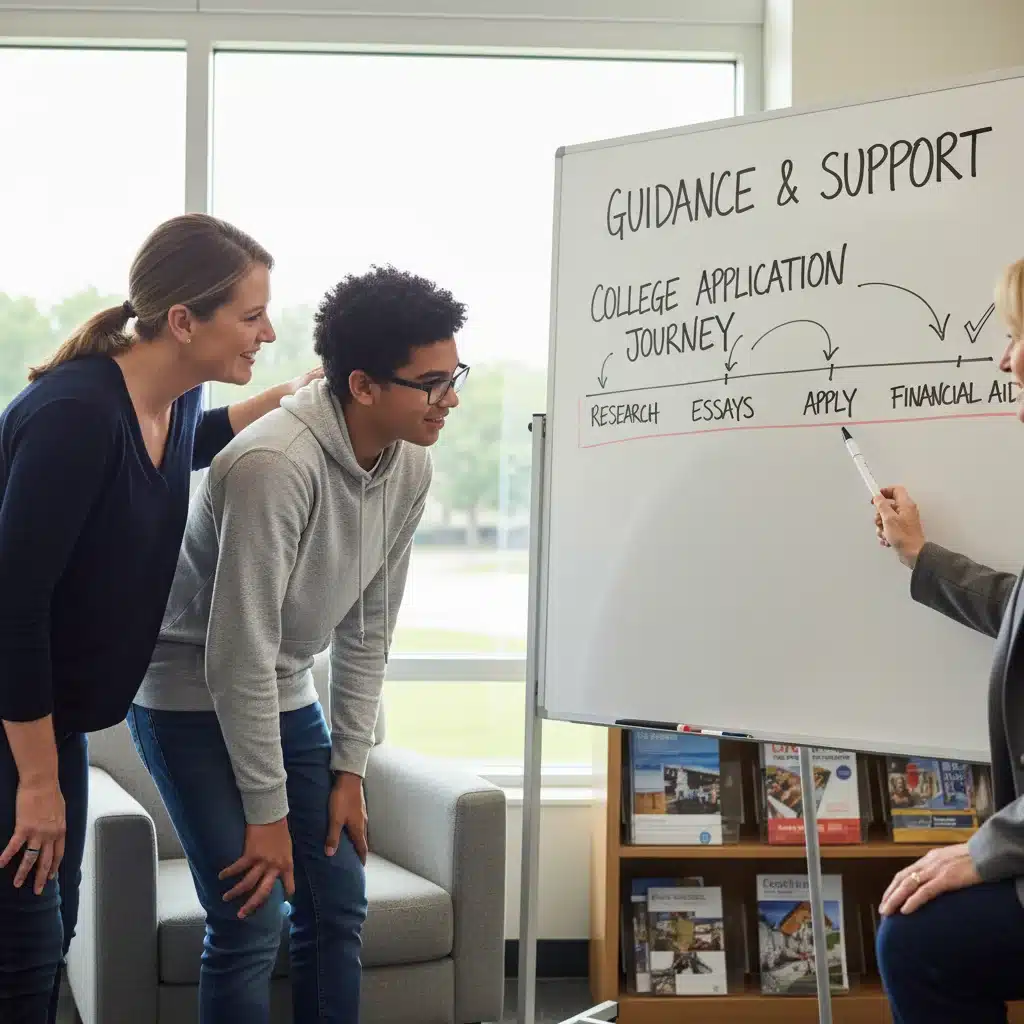
The Final Decision: National College Decision Day (May 2026)
May 1st is traditionally National College Decision Day, the deadline by which most colleges require you to commit to enrollment.
Making Your Choice
Weigh all your options: academic fit, campus culture, location, financial aid, and personal preferences. Discuss your decision with family, counselors, and mentors. Once you’ve made your choice, submit your enrollment deposit to secure your spot. Inform other colleges of your decision so they can offer admission to students on their waitlist.
Transitioning to College
After committing, you’ll begin receiving information about orientation, housing, course registration, and other essential steps for transitioning to college life. Stay organized and complete all required forms and tasks by their respective deadlines.
Post-Decision: Maintaining Momentum (May – August 2026)
Your journey isn’t over once you’ve committed. The final months of high school are important for a smooth transition.
Maintaining Academic Performance
Do not succumb to ‘senioritis.’ Colleges can and sometimes do rescind offers of admission if there’s a significant drop in academic performance or serious disciplinary issues. Finish your senior year strong.
Sending Final Transcripts
Your high school will send your final transcript to your chosen college after graduation. Ensure all your grades are accurate and complete.
Preparing for College Life
Beyond academics, prepare for the practicalities of college. This includes budgeting, learning basic life skills, and connecting with future roommates or classmates. Embrace the excitement of this new chapter.
Detailed 2026 College Application Timeline: A Month-by-Month Breakdown
Summer 2025 (June, July, August)
- June: Begin extensive college research. Start brainstorming essay topics. Register for SAT/ACT if planning to take in late summer/early fall.
- July: Continue college research and refine your list. Start drafting your main college essay. Contact teachers/counselors for letters of recommendation.
- August: Finalize your college list. Create accounts on application portals (Common App, Coalition App). Review and revise essays. Take any planned SAT/ACT exams.
Fall 2025 (September, October, November)
- September: Meet with your college counselor. Begin filling out application forms. Continue essay revisions. Register for fall SAT/ACT re-takes if needed.
- October: FAFSA and CSS Profile open – complete these as early as possible. Submit Early Action and Early Decision applications (deadlines typically mid-October to early November).
- November: Continue submitting EA/ED applications. Ensure all recommendations and transcripts are sent. Follow up with teachers/counselors if necessary.
Winter 2025-2026 (December, January)
- December: Early Action/Early Decision notifications begin. Submit Regular Decision applications (many deadlines are December 31st or early January). Continue scholarship applications.
- January: Final Regular Decision application deadlines. Ensure all supplemental materials (portfolios, interviews) are submitted. Follow up on any missing application components.
Spring 2026 (February, March, April)
- February: Colleges may request mid-year reports; ensure your counselor sends them. Continue scholarship applications.
- March: Regular Decision notifications begin. Review financial aid packages as they arrive.
- April: Most Regular Decision notifications released. Visit admitted colleges. Compare financial aid offers. Make your final decision.
Early Summer 2026 (May, June)
- May: May 1st is National College Decision Day. Submit your enrollment deposit to your chosen college. Inform other colleges of your decision.
- June: Graduate from high school! Send final transcripts to your chosen college. Begin college orientation and housing preparations.
Key Takeaways for Navigating the 2026 College Timeline
- Start Early: Procrastination is your enemy. The earlier you begin, the less stressful the process will be.
- Stay Organized: Keep a master calendar of deadlines, application requirements, and financial aid forms.
- Communicate: Maintain open lines of communication with your parents, counselors, teachers, and college admissions offices.
- Be Authentic: Your application should reflect who you genuinely are. Don’t try to be someone you’re not.
- Proofread Everything: A careless error can detract from an otherwise strong application.
- Balance Academics and Applications: Your senior year grades still matter.
- Seek Support: Don’t hesitate to ask for help from counselors, teachers, family, or mentors.
The 2026 College Timeline may seem overwhelming at first glance, but by breaking it down into manageable steps and starting early, you can confidently navigate each stage. This period of your life is about self-discovery, growth, and making informed decisions about your future. Embrace the challenges, celebrate the successes, and remember that with careful planning and consistent effort, you are well on your way to a fulfilling college experience. Good luck, future college students!