2026 Housing Market Outlook: 5% Appreciation Forecast & Homeowner Impact
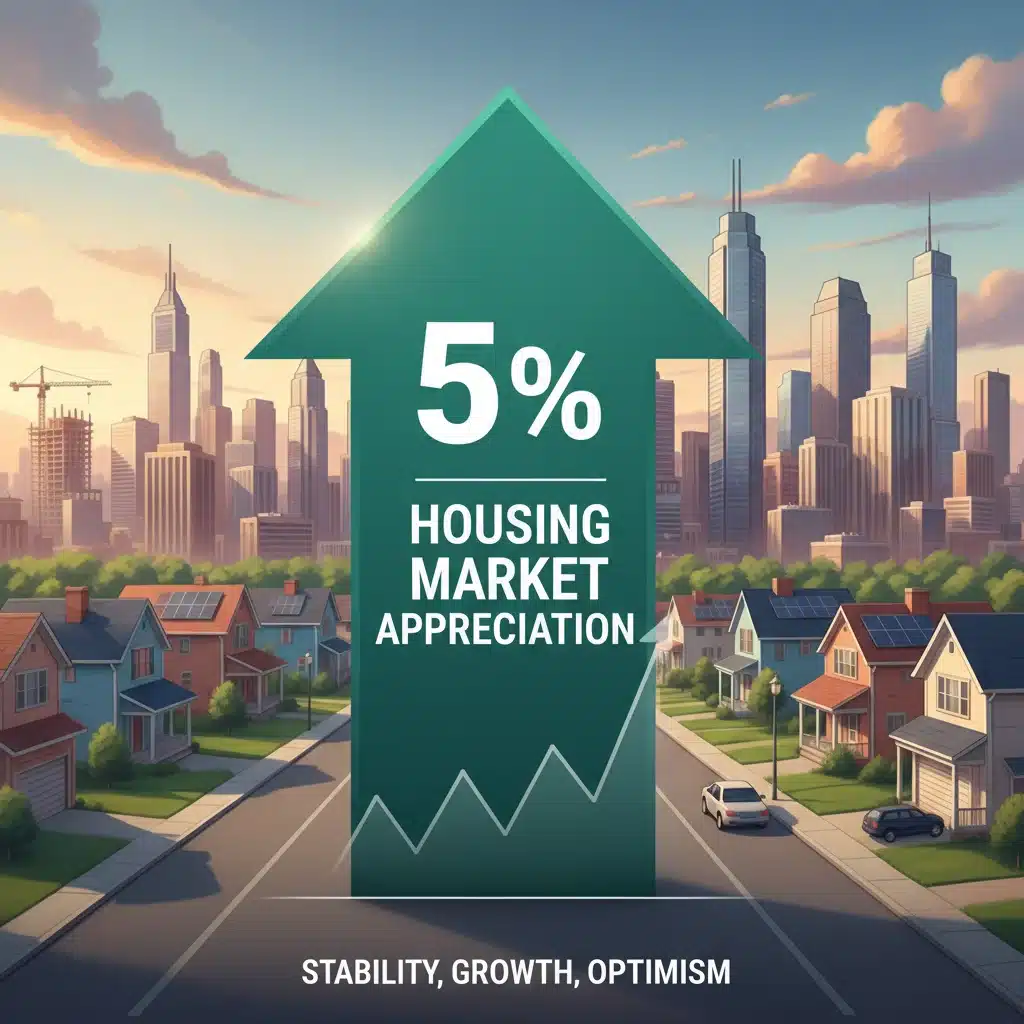
The real estate market is a dynamic and often unpredictable entity, shaped by a confluence of economic, social, and demographic factors. As we look ahead, discerning the future trajectory of housing values becomes paramount for homeowners, prospective buyers, and investors alike. Our focus today is on a significant projection: the 2026 Housing Outlook, which anticipates a robust 5% appreciation in home values. This forecast, while seemingly modest on its own, carries profound implications for various stakeholders and warrants a deep dive into its underlying drivers and potential consequences.
Understanding the nuances of such a prediction requires a comprehensive analysis of the current economic climate, historical trends, and emerging patterns. A 5% appreciation, if realized, indicates a healthy and stable market, moving beyond the volatile swings experienced in recent years. It suggests a return to more sustainable growth, providing a sense of security for existing homeowners and offering a clearer, albeit still competitive, landscape for those looking to enter the market.
This article will meticulously break down the key elements contributing to this 2026 Housing Outlook. We will explore the macroeconomic indicators at play, delve into the supply and demand dynamics, and consider the impact of evolving demographic shifts. Furthermore, we will provide actionable insights for homeowners looking to leverage this appreciation, for buyers navigating a still-rising market, and for investors seeking strategic opportunities. By the end of this comprehensive exploration, you will have a clearer understanding of what to expect from the 2026 housing market and how to best position yourself within it.
Understanding the 5% Appreciation Forecast for the 2026 Housing Outlook
A 5% appreciation in home values for 2026 is not an arbitrary number; it’s a projection rooted in a complex interplay of various economic and market indicators. To truly grasp the significance of this 2026 Housing Outlook, we must first understand the factors that contribute to such a forecast.
Economic Fundamentals and Their Influence
At the heart of any housing market forecast are the broader economic fundamentals. Key among these are:
- GDP Growth: A strong and consistent Gross Domestic Product (GDP) growth indicates a healthy economy, which typically translates to job creation, increased consumer confidence, and ultimately, a higher demand for housing. A stable economic environment provides the foundation for sustained home value appreciation.
- Employment Rates: Low unemployment rates mean more people are gainfully employed and have the financial capacity to purchase homes. This boosts demand and supports price growth. The 2026 forecast likely assumes continued strength in the labor market, contributing to the positive 2026 Housing Outlook.
- Inflation: Moderate inflation can also play a role. While high inflation erodes purchasing power, a controlled inflationary environment can lead to higher wages and asset values, including real estate. The projected 5% appreciation might reflect an anticipation of stable, manageable inflation.
- Interest Rates: The Federal Reserve’s monetary policy, particularly interest rate decisions, significantly impacts housing affordability. While rates have fluctuated, a stable or slightly declining interest rate environment could make mortgages more accessible, stimulating buyer activity and supporting the projected appreciation.
Supply and Demand Dynamics
The fundamental laws of supply and demand are particularly potent in the housing sector. The 2026 Housing Outlook of 5% appreciation suggests a continued imbalance where demand outpaces supply, albeit at a more moderate pace than in recent boom years.
- Housing Inventory: A persistent shortage of available homes for sale has been a hallmark of the post-pandemic market. While new construction is ongoing, it often struggles to keep pace with population growth and household formation. This limited inventory creates upward pressure on prices.
- Demographic Shifts: The millennial generation, now in their prime home-buying years, continues to be a significant driving force in the market. As more millennials and even younger generations enter the homeownership phase, demand remains robust. Furthermore, migration patterns, both inter-state and international, can create localized demand surges, influencing the national average appreciation.
- Construction Costs and Delays: Supply chain issues, labor shortages, and rising material costs have hampered new home construction. These factors not only limit the number of new homes entering the market but also increase their price, consequently supporting higher values for existing homes.
Historical Context and Future Projections
Placing the 5% appreciation forecast within historical context is crucial. Historically, average annual home appreciation has hovered around 3-4%. A 5% projection suggests a slightly stronger-than-average, yet sustainable, growth trajectory. It indicates a market that is cooling from the frenetic pace of 2020-2022 but is far from entering a downturn. This gradual deceleration towards a more balanced market is often seen as healthier in the long run.
Experts often rely on predictive models that incorporate these and many other variables. These models consider everything from consumer sentiment and housing affordability indices to global economic trends. The consensus pointing towards a 5% appreciation in the 2026 Housing Outlook reflects a belief in the resilience of the market and the enduring value of real estate as an asset.
By understanding these multifaceted drivers, we can appreciate that the 5% appreciation is not just a number, but a reflection of a complex and generally positive economic and market environment anticipated for 2026.
Implications for Current Homeowners in the 2026 Housing Outlook
For current homeowners, the 2026 Housing Outlook of a 5% appreciation presents a largely favorable scenario. This continued growth in home equity offers a range of opportunities and strengthens their financial position. Understanding these implications is key to making informed decisions.
Increased Home Equity
The most direct and significant benefit of a 5% appreciation is the increase in home equity. Equity is the portion of your home that you own outright, calculated by subtracting your outstanding mortgage balance from your home’s current market value. A 5% increase in value directly translates to more equity. For example, a home valued at $400,000 appreciating by 5% would gain $20,000 in equity over the year, reaching $420,000. This additional equity provides several financial advantages:
- Enhanced Net Worth: Your home is often your largest asset. A consistent increase in its value significantly boosts your overall net worth, contributing to long-term financial security.
- Access to Funds: Increased equity can be leveraged through various means, such as a home equity loan (HEL) or a home equity line of credit (HELOC). These options allow homeowners to borrow against their equity at potentially lower interest rates than unsecured loans, providing funds for renovations, education, debt consolidation, or other significant expenses.
- Greater Financial Flexibility: Higher equity offers a stronger financial cushion, making it easier to weather economic uncertainties or pursue new investment opportunities.
Refinancing Opportunities
While interest rates are a primary driver for refinancing decisions, increased home equity can also play a crucial role. A higher home value can improve your loan-to-value (LTV) ratio, potentially allowing you to qualify for better refinancing terms, including lower interest rates or the ability to remove private mortgage insurance (PMI).
Selling and Upgrading
For homeowners contemplating selling their property, the 2026 Housing Outlook offers a strong incentive. A 5% appreciation means they can sell their current home for a higher price, potentially realizing significant profits. This profit can then be used as a larger down payment on a new, larger, or more desirable home, making the upgrade process more financially viable. This is particularly beneficial for those looking to move to a more expensive area or purchase a property with additional features.
Long-Term Investment Perspective
The continued appreciation reinforces the notion of real estate as a sound long-term investment. While short-term fluctuations can occur, a projected 5% annual growth reaffirms the asset’s ability to build wealth over time. This outlook can provide peace of mind for those who view their home as a key component of their retirement planning or overall investment portfolio.
Considerations for Homeowners
While the outlook is largely positive, homeowners should also consider a few aspects:
- Property Taxes: Increased home values often lead to higher property taxes. Homeowners should factor this into their annual budgeting.
- Maintenance and Improvement Costs: To maximize the benefits of appreciation, maintaining and potentially improving your home is essential. These costs should be considered when assessing the net gain from appreciation.
- Market Timing: While a 5% appreciation is forecast, individual market conditions can vary. Homeowners considering selling should consult with local real estate professionals to understand the specific dynamics of their area.
In essence, the 2026 Housing Outlook paints a promising picture for current homeowners, offering increased wealth, financial flexibility, and strategic opportunities. By understanding these implications, homeowners can proactively plan and make the most of the anticipated market conditions.
Navigating the Market: Advice for Buyers and Investors in the 2026 Housing Outlook
While a 5% appreciation in the 2026 Housing Outlook signals a healthy market for sellers, it also presents a unique set of challenges and opportunities for prospective buyers and savvy investors. Understanding how to navigate this environment is critical for success.
For Prospective Homebuyers: Strategies for a Rising Market
For individuals and families looking to purchase a home in 2026, the prospect of rising prices means that delaying a purchase could lead to higher costs down the line. Here are some strategies:
- Act Decisively, but Prudently: With prices expected to rise, waiting too long could mean paying more for the same property. However, this doesn’t mean rushing into a decision. Thorough due diligence, including professional inspections and appraisals, remains paramount.
- Get Pre-Approved for a Mortgage: A pre-approval signals to sellers that you are a serious and qualified buyer, giving you an edge in competitive situations. It also helps you understand your budget and avoid looking at homes outside your price range.
- Focus on Affordability and Long-Term Value: While it might be tempting to stretch your budget, prioritize homes that are comfortably within your financial means. Consider areas with strong growth potential that might still offer relative affordability. Look for properties with features that will retain or increase their value over time.
- Be Prepared for Competition: Even with a more moderate appreciation, popular areas and desirable homes will likely attract multiple offers. Be prepared to act quickly and potentially make a strong, clean offer.
- Explore First-Time Buyer Programs: Many government and local programs offer assistance to first-time homebuyers, including down payment assistance and favorable loan terms. Researching these options can significantly ease the financial burden.
- Consider "Hidden Gems": Instead of focusing solely on the most sought-after neighborhoods, explore adjacent areas that might be on the cusp of revitalization. These areas often offer better value and strong appreciation potential as growth expands outwards.
For Real Estate Investors: Identifying Opportunities
The 2026 Housing Outlook with its 5% appreciation suggests a stable investment environment, offering opportunities for both seasoned and new investors. The key is strategic decision-making:
- Focus on Growth Markets: While the national average is 5%, specific regions will outperform others. Research areas with strong job growth, population influx, and robust economic development. These markets are more likely to see higher appreciation and rental demand.
- Evaluate Rental Market Dynamics: Rising home prices can also lead to increased demand for rental properties, especially if homeownership becomes less accessible for some. Investors should analyze local rental yield data and vacancy rates.
- Consider Different Investment Strategies:
- Buy-and-Hold: With anticipated appreciation, a buy-and-hold strategy for rental properties or long-term capital gains remains attractive.
- Fix-and-Flip: While potentially riskier, opportunities may still exist for properties that require significant renovation in desirable locations, allowing investors to add value and capitalize on the appreciation.
- Diversification: Consider diversifying your real estate portfolio across different property types (single-family, multi-family, commercial) or geographical locations to mitigate risk.
- Leverage Financing Wisely: Interest rates will play a role in profitability. Investors should secure favorable financing terms and carefully calculate their return on investment (ROI) considering all associated costs, including property management, taxes, and maintenance.
- Stay Informed on Local Regulations: Zoning laws, rental caps, and other local regulations can significantly impact investment viability. Staying abreast of these changes is crucial.
The Role of Technology and Data
Both buyers and investors in the 2026 Housing Outlook can significantly benefit from leveraging technology and data analytics. Online platforms provide vast amounts of market data, neighborhood insights, and property listings. AI-powered tools can help identify investment opportunities or predict future trends. Utilizing these resources can provide a competitive edge in a market where information is power.
In conclusion, while the 5% appreciation suggests a seller-friendly market, informed buyers and strategic investors can still find ample opportunities. The key lies in thorough research, decisive action, and a clear understanding of personal financial goals and risk tolerance within the anticipated 2026 Housing Outlook.
Factors That Could Influence or Alter the 2026 Housing Outlook
While a 5% appreciation is the current projection for the 2026 Housing Outlook, it’s crucial to acknowledge that forecasts are not guarantees. The real estate market is susceptible to various internal and external factors that could either accelerate, decelerate, or even alter this trajectory. Understanding these potential influences allows for a more nuanced and prepared approach to the future market.
Economic Shocks and Global Events
The global economy is interconnected, and unforeseen events can have ripple effects on local housing markets:
- Recessions: A significant economic downturn, triggered by anything from geopolitical conflicts to financial crises, could severely impact job growth, consumer confidence, and access to credit, leading to a slowdown in housing demand and potentially lower appreciation, or even depreciation.
- Geopolitical Instability: Wars, trade disputes, or other international tensions can disrupt supply chains, increase energy costs, and create overall economic uncertainty, all of which can dampen housing market enthusiasm.
- Pandemics or Health Crises: As seen recently, global health crises can dramatically alter work patterns, migration, and consumer behavior, profoundly impacting housing needs and preferences.
Monetary Policy and Interest Rates
The Federal Reserve’s decisions on interest rates are perhaps one of the most powerful levers influencing the housing market:
- Unexpected Rate Hikes: If inflation proves more persistent than anticipated, the Fed might be compelled to raise interest rates more aggressively. Higher rates directly increase the cost of borrowing, making mortgages less affordable and potentially cooling buyer demand, thereby impacting the 2026 Housing Outlook.
- Quantitative Tightening/Easing: Beyond benchmark rates, the Fed’s actions regarding its balance sheet (quantitative tightening or easing) can influence the availability and cost of mortgage-backed securities, indirectly affecting mortgage rates.
Housing Supply and Construction Trends
The delicate balance between supply and demand is a constant factor. Any significant shift here could alter the 5% appreciation forecast:
- Increased Construction Output: A surge in new home construction, driven by reduced material costs, increased labor availability, or government incentives, could help alleviate supply shortages and moderate price growth.
- Regulatory Changes: Changes in zoning laws, building codes, or environmental regulations can either facilitate or hinder new construction, thereby impacting supply.
- Existing Home Inventory: A sudden influx of existing homes onto the market (e.g., due to homeowners deciding to sell en masse, or a rise in foreclosures, though less likely in a healthy market) could increase supply and put downward pressure on prices.
Demographic and Social Shifts
Long-term demographic trends can also play a role in shaping the 2026 Housing Outlook:
- Migration Patterns: Significant shifts in where people choose to live, whether due to climate change, job opportunities, or lifestyle preferences, can create boom or bust regions, deviating from national averages.
- Household Formation Rates: Changes in marriage rates, birth rates, or multi-generational living trends can impact the overall demand for housing units.
- Affordability Crisis: If housing prices continue to outpace wage growth significantly, it could lead to an affordability crisis, pushing some potential buyers out of the market and eventually dampening demand.
Technological Advancements and Disruptions
Emerging technologies could also subtly influence the market:
- Remote Work Trends: The long-term adoption of remote or hybrid work models could continue to decentralize populations, boosting demand in suburban and rural areas while potentially easing pressure in dense urban centers.
- Construction Innovation: Advances in construction technology, such as modular housing or 3D-printed homes, could eventually lead to more efficient and affordable housing production, impacting supply.
While the 5% appreciation forecast for the 2026 Housing Outlook provides a useful benchmark, it is essential to remain adaptable and monitor these influencing factors. The real estate market is a complex ecosystem, and a comprehensive understanding of its potential variables is key to navigating its future effectively.
Conclusion: Positioning Yourself for the 2026 Housing Outlook
The 2026 Housing Outlook, with its projected 5% appreciation in home values, signals a period of stable and healthy growth for the real estate market. This forecast, while not guaranteeing absolute certainty, is built upon a foundation of anticipated economic stability, continued demand, and a gradual rebalancing of supply. For homeowners, this means a likely increase in equity, offering enhanced financial security and various opportunities for leveraging their asset. For prospective buyers, it underscores the importance of strategic planning and decisive action to secure a home before prices climb higher. And for investors, it highlights the enduring potential of real estate as a wealth-building vehicle, provided they conduct thorough research and make informed decisions.
The journey through the real estate market is rarely linear, and the 2026 Housing Outlook is a snapshot of current expert consensus. As we have explored, numerous factors, from global economic shifts to local demographic trends and monetary policy, possess the power to influence this projection. Therefore, while a 5% appreciation is a positive indicator, vigilance and adaptability remain paramount. Homeowners should consider how to best utilize their growing equity, perhaps through strategic renovations that enhance value or by exploring refinancing options. Buyers should focus on affordability, secure pre-approvals, and be prepared for a competitive, albeit more predictable, market. Investors, meanwhile, should meticulously analyze specific regional markets, diversify their portfolios, and stay abreast of regulatory changes.
Ultimately, the 2026 Housing Outlook of a 5% appreciation offers a compelling narrative of a resilient market moving towards sustainable growth. Whether you are a current homeowner, a hopeful first-time buyer, or a seasoned investor, understanding these dynamics is the first step towards making strategic choices that align with your financial goals. The future of housing appears bright, but success will undoubtedly belong to those who are well-informed, proactive, and ready to adapt to the evolving landscape.