Mastering Your Credit Score in 2026: Proven Tactics to Achieve a 750+ Rating in 6 Months

Mastering Your Credit Score in 2026: Proven Tactics to Achieve a 750+ Rating in 6 Months
In today’s financial landscape, your credit score is more than just a number; it’s a powerful indicator of your financial health and a gateway to countless opportunities. Whether you’re looking to secure a new home, finance a car, or even get better rates on insurance, a strong credit score can significantly impact your life. As we look towards 2026, the importance of a stellar credit rating, particularly one above 750, continues to grow. Many aspire to achieve this benchmark, but the path can seem daunting. This comprehensive guide is designed to demystify the process, providing you with proven tactics to significantly improve credit score in just six months.
Achieving a 750+ credit score isn’t about magic; it’s about understanding the factors that influence your score and consistently applying strategic financial habits. We’ll delve into the intricacies of credit scoring models, explore common pitfalls, and equip you with actionable steps to transform your credit profile. By the end of this article, you’ll have a clear roadmap to financial empowerment, positioning yourself for success in 2026 and beyond.
Understanding the Credit Score Landscape in 2026
Before embarking on your journey to improve credit score, it’s crucial to understand what a credit score represents and how it’s calculated. Most lenders use FICO scores, which range from 300 to 850, or VantageScore, with a similar range. A score of 750 and above is generally considered ‘Excellent,’ opening doors to the best interest rates and loan terms.
The primary factors influencing your credit score remain consistent: payment history, amounts owed, length of credit history, new credit, and credit mix. However, the weight of these factors can vary slightly between models and over time. For 2026, the emphasis on responsible credit behavior, especially consistent on-time payments and prudent credit utilization, will be paramount.
Technology also plays an increasing role. With the rise of FinTech and AI-driven lending, lenders are gaining more granular insights into consumer financial behavior. This means that every financial decision, no matter how small, can potentially influence your creditworthiness. Therefore, a proactive and informed approach to managing your credit is more important than ever.
The Five Pillars of Your Credit Score
- Payment History (35%): This is the most significant factor. Late payments, bankruptcies, and collections can severely damage your score. Consistent on-time payments are the bedrock of a good credit score.
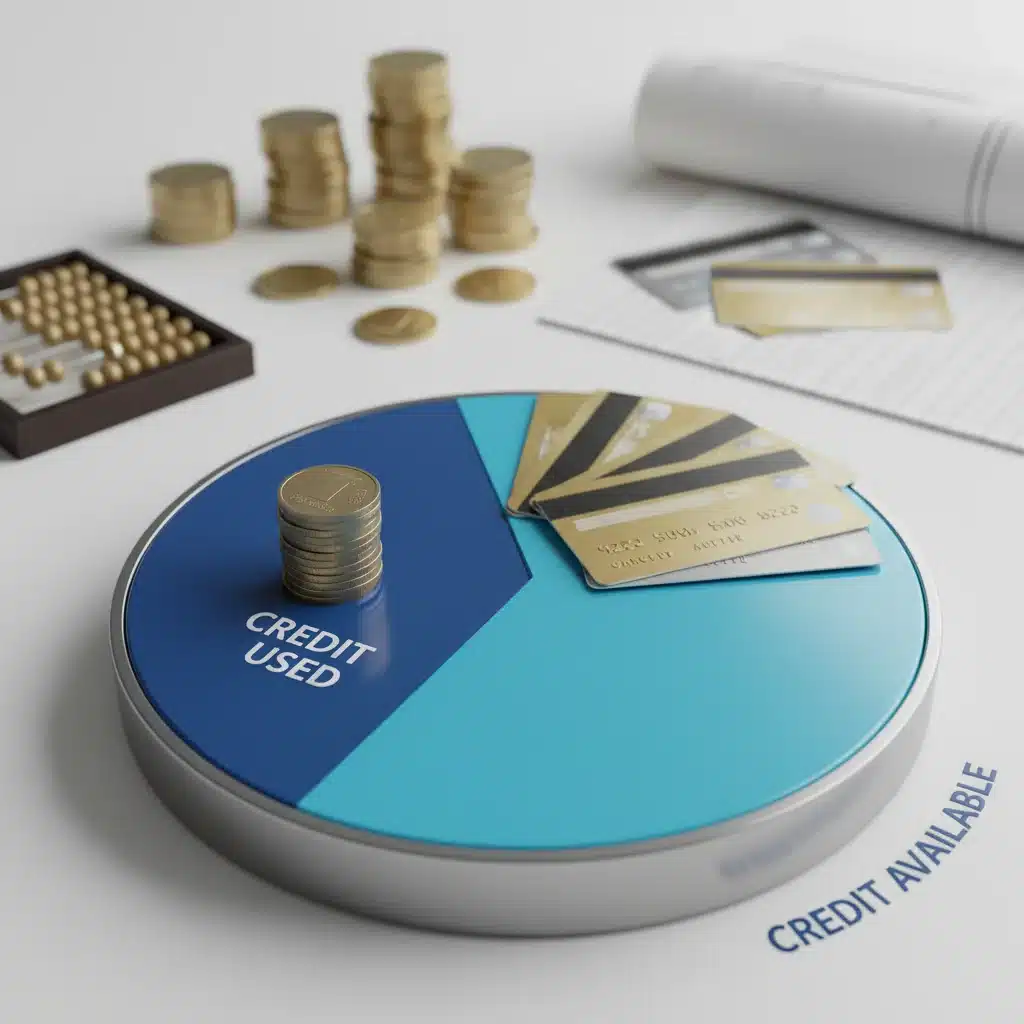
- Amounts Owed (30%): This refers to your credit utilization ratio – the amount of credit you’re using compared to your total available credit. Keeping this ratio low (ideally below 30%) is vital.
- Length of Credit History (15%): The longer your accounts have been open and in good standing, the better. This demonstrates a track record of responsible credit management.
- New Credit (10%): Opening too many new credit accounts in a short period can be seen as risky and may temporarily lower your score.
- Credit Mix (10%): Having a healthy mix of different types of credit (e.g., credit cards, installment loans like mortgages or car loans) can positively impact your score, showing you can manage various credit products responsibly.
Phase 1: The First Month – Foundation and Cleanup
The first month of your six-month journey to improve credit score is all about laying a solid foundation. This involves understanding your current standing and addressing any immediate issues.
Step 1: Obtain and Review Your Credit Reports
Your credit reports are the detailed records of your credit history. You are entitled to a free copy of your credit report from each of the three major credit bureaus (Equifax, Experian, and TransUnion) once every 12 months through AnnualCreditReport.com. In 2026, access to these reports is easier than ever, often available digitally and instantly.
Action Plan:
- Pull all three reports: Each report might contain different information, so it’s crucial to review all of them.
- Scrutinize for errors: Look for incorrect personal information, accounts you don’t recognize, incorrect payment statuses, or duplicated debts. Even a small error can negatively impact your score.
- Identify negative items: Note down any late payments, collections, charge-offs, or bankruptcies. These are the primary targets for improvement.
Step 2: Dispute Inaccuracies
If you find errors on your credit reports, disputing them immediately is critical. The Fair Credit Reporting Act (FCRA) gives you the right to have inaccurate information corrected or removed.
Action Plan:
- Gather evidence: Collect any documentation that supports your claim (e.g., payment receipts, bank statements).
- Contact the credit bureau: You can dispute online, by mail, or by phone. Online disputes are often the quickest. Clearly state the error and provide your supporting documents.
- Contact the creditor: It’s also wise to contact the creditor directly to inform them of the error and request a correction.
- Follow up: Keep detailed records of all communication and follow up regularly. Credit bureaus typically have 30 days to investigate and respond to your dispute.
Step 3: Address Small, Outstanding Debts
Sometimes, small, forgotten debts can linger on your report as collections, significantly dragging down your score. These might be old medical bills, utility bills, or a forgotten gym membership.
Action Plan:
- Identify small debts: Look for any accounts with low balances that are in collections.
- Prioritize payment or settlement: If the debt is legitimate, consider paying it off or negotiating a ‘pay for delete’ agreement with the collection agency. A ‘pay for delete’ means they agree to remove the negative mark from your credit report once the debt is settled. Get this agreement in writing before making any payment.
By the end of this first month, you should have a clear picture of your current credit health and a plan to address any immediate discrepancies. This foundational work is essential to effectively improve credit score over the next five months.
Phase 2: Months 2-3 – Strategic Debt Management and Payment Consistency
With a clean foundation, months two and three focus on strategic debt management and establishing impeccable payment habits. This phase targets the two heaviest hitters in your credit score: payment history and amounts owed.
Step 4: Automate All Payments
Missing a payment, even by a day, can drop your credit score significantly. Automation is your best friend here.
Action Plan:
- Set up autopay: Enroll all your credit cards, loans, and other bills in automatic payments.
- Set reminders: Even with autopay, it’s good practice to set calendar reminders a few days before due dates to ensure sufficient funds are in your account.
- Pay more than the minimum: If possible, pay more than the minimum due, especially on high-interest credit card debt. This reduces the principal faster and saves you money.
Step 5: Tackle Your Credit Utilization Ratio (CUR)
Your CUR is the amount of credit you’re using divided by your total available credit. A CUR above 30% is generally considered detrimental, while below 10% is excellent. This is one of the quickest ways to improve credit score.
Action Plan:
- Pay down high-balance cards: Focus on paying down credit cards with the highest balances first. The ‘debt avalanche’ method (paying highest interest first) or ‘debt snowball’ (paying smallest balance first) can be effective.
- Make multiple payments: Instead of one large payment at the end of the month, consider making smaller payments throughout the billing cycle. This keeps your reported balance lower.
- Request credit limit increases: If you have a good payment history with a particular card issuer, consider requesting a credit limit increase. This increases your total available credit without increasing your debt, thereby lowering your CUR. Be cautious not to then increase your spending.

Step 6: Avoid New Credit Applications
Each time you apply for new credit, a hard inquiry is placed on your credit report. While one or two won’t drastically impact your score, multiple inquiries in a short period can signal risk to lenders and slightly lower your score for a few months.
Action Plan:
- Resist new offers: For these six months, avoid opening new credit cards, taking out new loans, or applying for store credit.
- Understand soft inquiries: Be aware that checking your own credit score or receiving pre-approved offers results in a ‘soft inquiry,’ which does not affect your score.
Phase 3: Months 4-5 – Optimizing Your Credit Profile
By now, you should see noticeable improvements in your credit score. Months four and five are about fine-tuning your credit profile and exploring additional strategies to further improve credit score.
Step 7: Become an Authorized User (If Applicable)
If a trusted friend or family member with an excellent credit history and a long-standing credit card account is willing, becoming an authorized user on their account can be beneficial. Their positive payment history and low utilization can reflect on your report.
Action Plan:
- Choose wisely: Ensure the primary account holder has a flawless payment history and low credit utilization.
- Discuss terms: Clarify whether you’ll have access to the card and how you’ll contribute to payments, if at all.
- Monitor: Regularly check your credit report to ensure the account is being reported correctly and positively.
Step 8: Consider a Secured Credit Card or Credit Builder Loan
If your credit history is limited or you’re recovering from past mistakes, a secured credit card or a credit builder loan can be excellent tools to demonstrate responsible credit behavior.
Action Plan:
- Secured Credit Card: You put down a deposit, which becomes your credit limit. Use it responsibly (small purchases, paid off in full every month) to build positive payment history.
- Credit Builder Loan: A small loan where the funds are held in a savings account. You make regular payments, and once the loan is paid off, you receive the funds. This builds both credit and savings.
- Choose reputable lenders: Ensure the secured card or loan reports to all three major credit bureaus.
Step 9: Maintain Older Accounts
The length of your credit history contributes significantly to your score. Resist the urge to close old credit card accounts, even if you don’t use them. Closing an account reduces your total available credit, which can increase your credit utilization ratio, and shortens your average account age.
Action Plan:
- Keep old accounts open: Even if you have a zero balance, keep older accounts active.
- Occasional use: If you have an old card you rarely use, make a small purchase once every few months and pay it off immediately to keep the account active.
Phase 4: Month 6 – Final Review and Long-Term Strategies
As you approach the six-month mark, it’s time for a final review and to cement long-term strategies to maintain your excellent credit score.
Step 10: Final Credit Report Review and Score Check
Revisit your credit reports from all three bureaus. By now, any disputes should be resolved, and new positive payment history should be reflected.
Action Plan:
- Pull new reports: Obtain fresh copies of your credit reports.
- Check for progress: Verify that negative items have been removed or updated, and that your positive payment history and lower credit utilization are accurately reported.
- Monitor your score: Use reliable credit monitoring services (many banks and credit card companies offer this for free) to track your FICO or VantageScore. You should see a significant increase, ideally crossing the 750+ threshold.
Step 11: Long-Term Credit Habits
Achieving a 750+ credit score is a significant accomplishment, but maintaining it requires ongoing vigilance and good habits.
Action Plan:
- Continue on-time payments: This is non-negotiable. Make it a permanent habit.
- Keep CUR low: Aim to keep your overall credit utilization below 10-20%.
- Diversify your credit mix responsibly: As your financial needs evolve, consider adding different types of credit (e.g., a mortgage, a car loan) only when necessary and affordable.
- Regularly review your credit reports: Make it a habit to check your credit reports at least once a year, or more frequently if you suspect any issues.
- Be wary of identity theft: Protect your personal and financial information to prevent fraudulent activity that could harm your credit.
Advanced Strategies for an Even Higher Credit Score in 2026
For those who have mastered the basics and are looking to push their credit score even higher, consider these advanced strategies relevant for 2026’s evolving financial landscape:
Understanding and Leveraging Alternative Data
While traditional credit scores rely on data from credit bureaus, some newer scoring models and lenders are incorporating ‘alternative data.’ This can include rent payments, utility bills, and even subscription services, especially if reported through platforms designed for this purpose.
Action Plan:
- Check if your rent payments are reported: Services like Experian Boost or rent reporting services can help get your on-time rent payments added to your credit file.
- Ensure utility bills are paid promptly: While not always reported, consistently paying utilities on time demonstrates financial responsibility.
- Explore FinTech innovations: Keep an eye on new financial technology that allows for more comprehensive reporting of your financial habits.
Strategic Use of Credit Cards
Credit cards, when used wisely, are powerful tools to improve credit score. They offer flexibility and rewards, but also the potential for debt.
Action Plan:
- Churning for rewards (with caution): For those with excellent credit, strategically opening new credit cards to earn sign-up bonuses and rewards can be done. However, this requires meticulous organization, understanding of application rules (like Chase’s 5/24 rule), and ensuring all new accounts are managed perfectly. This is an advanced strategy and not recommended if you are still working on basic credit habits.
- Optimizing card benefits: Use cards that offer benefits aligned with your spending (e.g., cashback on groceries, travel points). Pay off the balance in full every month to avoid interest.
Building a Diverse Credit Portfolio
While often advised against opening too many new accounts, once your score is strong, a healthy mix of credit types can be beneficial. This includes installment loans (car loans, student loans, personal loans) and revolving credit (credit cards).
Action Plan:
- Consider a low-interest personal loan: If you have a specific need for a loan (e.g., home improvement), taking out a personal loan and repaying it diligently can add positively to your credit mix. Ensure it’s a responsible financial decision, not just for credit building.
- Mortgage impact: A mortgage is a significant installment loan that, when managed well, can greatly enhance your credit profile due to its long term and substantial amount.
Proactive Credit Monitoring and Fraud Protection
With increasing digital transactions, credit monitoring and fraud protection are more critical than ever.
Action Plan:
- Utilize credit monitoring services: Many credit card companies and banks offer free credit monitoring that alerts you to changes in your credit report.
- Freeze your credit: If you’re not planning to apply for new credit, consider freezing your credit with all three bureaus. This prevents unauthorized access to your credit file, significantly reducing the risk of identity theft.
- Regularly check bank and credit card statements: Look for any suspicious transactions immediately.
Common Pitfalls to Avoid on Your Credit Journey
Even with the best intentions, certain mistakes can derail your efforts to improve credit score. Being aware of these pitfalls can help you navigate your journey more effectively.
- Closing Old Accounts: As mentioned, closing old credit cards, even those with zero balances, can negatively impact your credit utilization and the length of your credit history. Keep them open and active, even if used sparingly.
- Co-signing for Others: While you might want to help a friend or family member, co-signing a loan makes you equally responsible for the debt. If they default, your credit score will suffer just as much as theirs.
- Ignoring Small Debts: A small, unpaid medical bill or an old utility account can go to collections and cause significant damage to your credit score, disproportionate to the amount owed. Address these promptly.
- Maxing Out Credit Cards: Even if you pay off the balance in full every month, reporting a high balance can temporarily hurt your credit utilization ratio. Try to keep reported balances low.
- Applying for Too Much Credit: Multiple hard inquiries in a short period signal risk to lenders and can lower your score. Only apply for new credit when absolutely necessary.
- Not Checking Your Credit Reports Regularly: Errors happen, and identity theft is a real threat. Regular review of your credit reports is your first line of defense.
- Falling for ‘Credit Repair’ Scams: Be wary of companies promising to remove legitimate negative items from your credit report for a fee. Many of these are scams. You can do everything they claim to do yourself, for free.
The Psychological Aspect of Credit Building
Building an excellent credit score isn’t just about financial mechanics; it also involves developing a strong financial mindset. Patience, discipline, and a long-term perspective are crucial.
- Patience is Key: Credit scores don’t change overnight. While you can see significant improvement in six months, truly excellent scores are built over years of responsible behavior.
- Discipline and Budgeting: Sticking to a budget helps ensure you have funds for on-time payments and allows you to strategically pay down debt.
- Financial Education: Continuously educating yourself about personal finance and credit management will empower you to make informed decisions.
- Celebrate Milestones: Acknowledge your progress. Seeing your score rise, even by a few points, can be a great motivator.
Conclusion: Your Path to a 750+ Credit Score in 2026
Achieving a 750+ credit score by 2026 is an ambitious yet entirely attainable goal. It requires dedication, strategic planning, and consistent execution of sound financial practices. By meticulously following the steps outlined in this guide – from cleaning up your credit report and establishing flawless payment habits to optimizing your credit utilization and diversifying your credit mix – you will be well on your way to becoming a credit master.
Remember, your credit score is a dynamic entity, constantly evolving based on your financial actions. The habits you build during these six months will serve as the foundation for a lifetime of financial health. Embrace the journey, stay disciplined, and leverage these proven tactics to not only improve credit score significantly but also unlock a world of financial opportunities in 2026 and beyond. Your future self will thank you for the effort you put in today.
Start today, stay consistent, and watch your financial future transform.