
Unlock Hidden Savings: Top 3 Underutilized Employee Benefits for 2026 That Could Save You Hundreds
In today’s dynamic economic landscape, every dollar counts. While many employees focus on their base salary, a significant portion of their total compensation often goes unnoticed and, more importantly, unused: their employee benefits. These aren’t just fringe perks; they are powerful financial tools designed to enhance your well-being and save you money. For 2026, there are specific underutilized employee benefits that stand out as potential game-changers for your personal finances. Ignoring them is akin to leaving money on the table. This comprehensive guide will delve into the top three underutilized employee benefits for 2026, providing actionable insights on how you can leverage them to save hundreds, if not thousands, annually.
The Hidden Value of Your Benefits Package
Your employer invests significantly in your benefits package, often viewing it as a crucial component of attracting and retaining top talent. However, the complexity and sheer volume of available options can lead to confusion, apathy, and ultimately, underutilization. Many employees simply enroll in the most basic health insurance plan, contribute to their 401(k) if there’s a match, and then forget about the rest. This is a missed opportunity. The true value of your employment extends far beyond your paycheck, encompassing a wealth of resources that can address health, financial, and even personal development needs.
Understanding and actively engaging with your benefits package is a cornerstone of sound financial planning. It’s not just about what you earn, but what you keep and how effectively you manage your resources. As we look towards 2026, economic shifts, technological advancements, and evolving workplace priorities are bringing certain benefits to the forefront as particularly valuable, yet consistently overlooked. By identifying and utilizing these underutilized employee benefits, you can significantly boost your financial health and overall quality of life.
Why Are So Many Benefits Underutilized?
Before we dive into the specific benefits, it’s worth exploring why these valuable resources often go untouched. Several factors contribute to this widespread underutilization:
- Lack of Awareness: Many employees simply aren’t aware of the full spectrum of benefits available to them. HR departments often provide extensive documentation during onboarding, but this information can be overwhelming and quickly forgotten.
- Complexity: Some benefits, particularly those related to financial planning or specific health programs, can appear complex or require a deeper understanding that employees may not feel they have time to acquire.
- Perceived Irrelevance: Employees might dismiss certain benefits, believing they don’t apply to their current situation, only to find out later they could have significantly benefited.
- Procrastination: Enrolling in certain programs or making specific benefit elections often requires proactive steps, which can be postponed indefinitely.
- Fear of Commitment: Some benefits, like flexible spending accounts (FSAs), come with a ‘use it or lose it’ clause, leading to hesitation and non-enrollment.
Addressing these barriers is the first step towards unlocking the full potential of your benefits package. Employers are increasingly trying to simplify communication and access, but ultimately, the onus is on the employee to explore and engage. Now, let’s turn our attention to the specific underutilized employee benefits that could make a real difference in your financial outlook for 2026.
1. Financial Wellness Programs and Coaching
In an era where financial stress is a primary concern for many, employers are increasingly offering robust financial wellness programs. These are not just about retirement planning; they encompass a wide range of services designed to improve your overall financial literacy and stability. Despite their immense value, these programs often rank high among underutilized employee benefits.
What They Offer:
- Personalized Financial Coaching: Access to certified financial planners who can help with budgeting, debt management, investment strategies, and even homeownership planning. This personalized guidance can be invaluable, especially for navigating complex financial decisions.
- Educational Workshops and Webinars: Topics range from understanding your credit score to planning for college or managing student loan debt. These resources equip you with the knowledge to make informed financial choices.
- Budgeting Tools and Software: Many programs provide free access to premium budgeting apps and financial management software that would otherwise cost a subscription fee.
- Emergency Savings Support: Some programs offer tools or even matching contributions to help employees build an emergency fund, a critical component of financial security.
- Debt Management Resources: Guidance and resources for tackling high-interest debt, including strategies for consolidation or negotiation.
How They Save You Money:
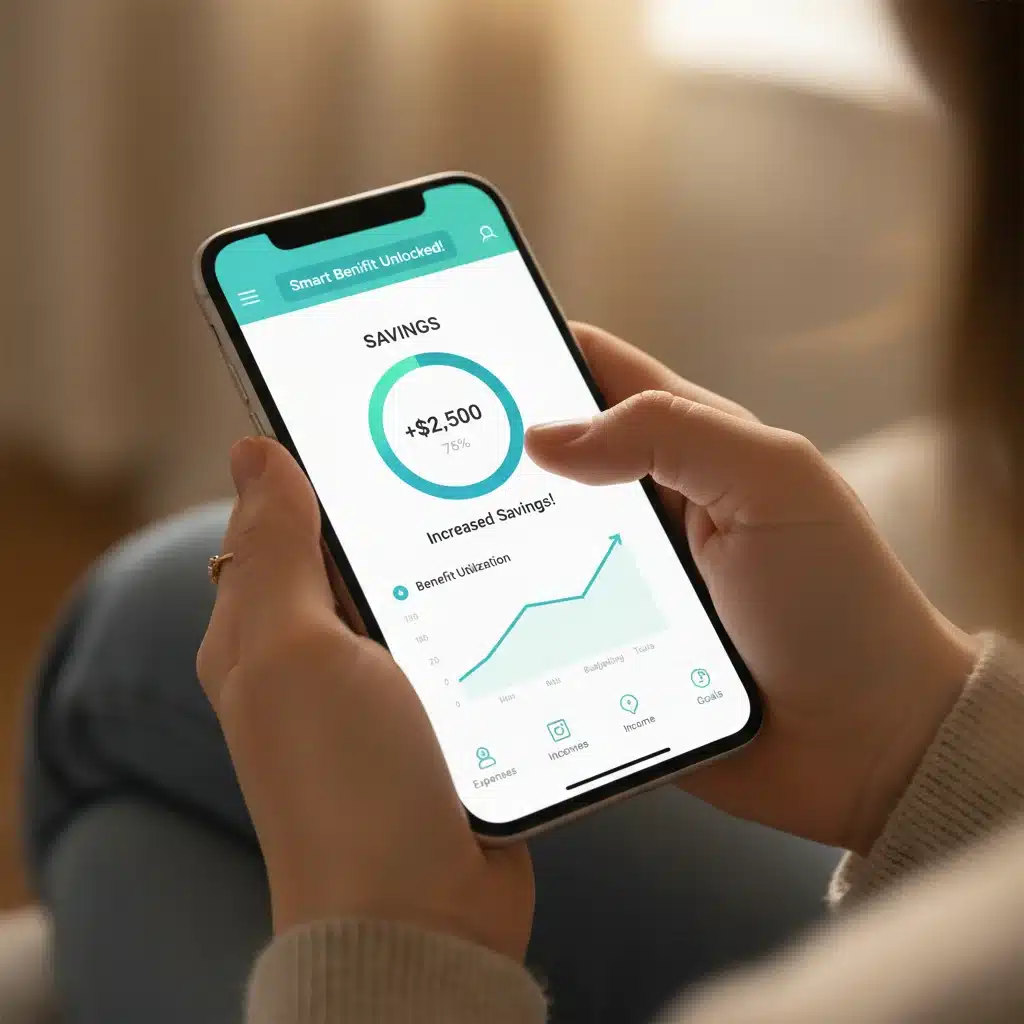
The savings from financial wellness programs are often indirect but incredibly powerful. Imagine paying hundreds or thousands less in interest due to effective debt management, or making smarter investment choices that lead to greater returns. A financial coach can help you identify areas where you’re overspending, optimize your insurance policies, or structure your savings to meet specific goals more efficiently. The knowledge gained can prevent costly mistakes and set you on a path to long-term financial prosperity.
For example, a session with a financial coach might reveal that you’re paying excessive fees on an old investment account, or that you qualify for a student loan repayment program you were unaware of. These small adjustments, guided by expert advice, can translate into significant annual savings and wealth accumulation.
Maximizing This Benefit:
- Locate Your Resources: Check your company’s HR portal or benefits guide for information on financial wellness programs. Don’t be afraid to ask HR directly.
- Schedule a Consultation: Even if you feel financially stable, a fresh pair of eyes from a professional can offer new perspectives and identify areas for improvement.
- Attend Workshops: Dedicate time to attend webinars or workshops on topics relevant to your financial goals.
- Utilize Tools: Take advantage of any free budgeting software or financial planning tools provided.
2. Lifestyle Spending Accounts (LSAs) and Wellness Reimbursements
While Flexible Spending Accounts (FSAs) and Health Savings Accounts (HSAs) are well-known, Lifestyle Spending Accounts (LSAs) are emerging as a highly valuable, yet often overlooked, benefit. LSAs provide employees with a tax-free allowance to spend on a wide array of personal wellness and development activities, making them one of the most exciting underutilized employee benefits for 2026.
What They Offer:
Unlike traditional benefits that are often restricted to health or retirement, LSAs offer incredible flexibility. The specific offerings vary by employer, but common eligible expenses include:
- Fitness and Wellness: Gym memberships, fitness classes (yoga, Pilates, CrossFit), personal training, meditation apps, weight loss programs, sports equipment.
- Personal Development: Online courses, continuing education, skill-building workshops, professional certifications, books, and educational subscriptions.
- Family Support: Childcare expenses, elder care, pet care services, even tutoring.
- Commuter Benefits: Public transportation passes, ride-sharing credits, bike share memberships.
- Home Office Support: Ergonomic equipment, high-speed internet subsidies.
- Nutritional Support: Healthy meal delivery services, nutritional counseling, healthy food subscriptions.
How They Save You Money:
LSAs provide direct reimbursement for expenses you might already be paying for out-of-pocket, or they enable you to access services you’ve always wanted but couldn’t justify the cost. If your company offers a $500 annual LSA, that’s $500 you don’t have to spend from your net income on gym memberships, online courses, or even your daily commute. This is pure, direct savings. For example, if you spend $50 a month on a gym membership, an LSA can effectively cover 10 months of that expense, saving you $500 annually. If you’re pursuing a certification that costs $300, your LSA could cover that entirely.
Maximizing This Benefit:
- Understand Your LSA Allotment and Rules: Find out how much you receive annually and what categories are eligible. Policies can vary significantly.
- Plan Your Spending: Identify expenses you already incur or wish to incur that align with eligible LSA categories.
- Submit Receipts Promptly: Keep meticulous records and submit reimbursement requests according to your company’s guidelines to ensure you receive your funds.
- Don’t Let It Expire: LSAs often have a ‘use it or lose it’ clause by the end of the benefit year. Make sure to utilize your full allowance.
3. Employee Assistance Programs (EAPs) and Mental Health Support
Mental health and well-being have rightly gained significant attention in recent years, leading many employers to enhance their Employee Assistance Programs (EAPs) and offer more comprehensive mental health support. Yet, despite the growing awareness, these resources remain some of the most underutilized employee benefits, often due to stigma or a lack of understanding of their scope.
What They Offer:
EAPs are confidential, short-term counseling services typically offered free of charge to employees and often their family members. Their scope extends far beyond just mental health, encompassing a holistic approach to well-being:
- Mental Health Counseling: Short-term therapy sessions for stress, anxiety, depression, grief, relationship issues, and more. If longer-term care is needed, the EAP can provide referrals.
- Work-Life Balance Support: Resources for childcare, elder care, legal and financial consultation (often limited, but a great starting point), and even housing assistance.
- Substance Abuse Support: Confidential counseling and referral services for substance abuse issues.
- Crisis Intervention: Immediate support for employees facing significant personal crises.
- Legal and Financial Consultations: While often introductory, these can provide initial advice on wills, debt, or other legal matters, saving you the cost of an initial consultation with a private professional.
How They Save You Money:
The financial savings from EAPs are substantial and multifaceted. For instance, a typical therapy session can cost anywhere from $100 to $250 out-of-pocket, or even with insurance, you might face significant co-pays. EAPs often provide 3-6 sessions completely free. This alone can save you hundreds of dollars. Beyond direct savings on counseling, EAPs can:
- Prevent Costly Health Issues: Addressing stress or mental health concerns early can prevent them from escalating into more serious conditions that require extensive medical treatment.
- Improve Productivity: By helping you manage personal challenges, EAPs can reduce absenteeism and presenteeism, indirectly protecting your income and career progression.
- Offer Free Legal/Financial Advice: Initial consultations for legal or financial matters can be expensive. EAPs often provide these services at no cost, helping you navigate complex situations without immediate financial burden.
- Reduce Lost Wages: By providing timely support, EAPs can help you manage personal crises more effectively, reducing the likelihood of extended time off work without pay.

Maximizing This Benefit:
- Understand Confidentiality: EAPs are strictly confidential. Your employer will not be informed of your participation or the nature of your concerns.
- Don’t Wait for a Crisis: EAPs are for proactive support as much as crisis intervention. Use them for everyday stressors, relationship challenges, or even just to gain a new perspective.
- Explore All Services: Don’t just think of EAPs as mental health hotlines. Investigate their work-life services, legal, and financial consultation options.
- Encourage Others: Help destigmatize mental health support by sharing your positive experiences (if comfortable) or simply encouraging colleagues to explore the EAP.
Beyond the Top 3: Other Underutilized Employee Benefits to Consider
While the three benefits above represent significant opportunities for savings and well-being, many other underutilized employee benefits exist that could also benefit you. Here are a few more to investigate:
- Tuition Reimbursement/Student Loan Repayment: If you’re pursuing higher education or burdened by student debt, these programs can be transformative. Many companies offer partial or full tuition reimbursement for job-related courses or contribute directly to your student loans.
- Employee Discount Programs: Often overlooked, these programs can provide significant savings on everything from cell phone plans and car rentals to theme park tickets and local restaurants. Always check before making a major purchase.
- Commuter Benefits: Pre-tax deductions for public transportation or parking can save you a considerable amount over the year by reducing your taxable income.
- Pet Insurance: For pet owners, this can be a lifesaver, covering unexpected veterinary costs that can run into thousands of dollars.
- Voluntary Benefits: These include a range of benefits like critical illness insurance, accident insurance, and identity theft protection. While you typically pay the full premium, group rates through your employer can be significantly lower than individual plans.
- Professional Development & Training: Beyond formal education, many employers offer access to online learning platforms, conferences, and workshops that can boost your skills and career prospects, often at no cost to you.
How to Proactively Engage with Your Benefits in 2026
To ensure you’re not missing out on these valuable resources, adopt a proactive approach to your benefits package for 2026:
- Annual Benefits Review: Set aside time annually, ideally during open enrollment, to thoroughly review your entire benefits package. Don’t just auto-renew; actively assess what’s available and what applies to your current life stage.
- Read the Fine Print: Understand the eligibility requirements, contribution limits, and usage rules for each benefit.
- Ask HR: Your Human Resources department is your primary resource. Don’t hesitate to ask questions about benefits you don’t understand or want to explore further.
- Utilize Online Portals: Most companies have online benefits portals that provide detailed information and often allow you to manage your elections.
- Set Reminders: For benefits with deadlines (like FSA use-it-or-lose-it dates or LSA reimbursement cutoffs), set calendar reminders.
- Share Knowledge: Talk to colleagues about benefits they find valuable. You might discover something new.
Conclusion: Your Benefits, Your Savings
Your employee benefits package is a powerful, often underutilized, financial asset. For 2026, focusing on financial wellness programs, Lifestyle Spending Accounts, and robust EAP/mental health support can lead to significant savings and an improved quality of life. These underutilized employee benefits are not just ‘nice-to-haves’; they are integral components of a smart financial strategy.
By taking the time to understand, engage with, and maximize these offerings, you can unlock hundreds, if not thousands, of dollars in savings each year. Don’t let valuable resources go to waste. Make 2026 the year you fully leverage your employment benefits and take control of your financial future. Your wallet and your well-being will thank you.