EPA Emissions Standards: Impact on US Industries by 2026
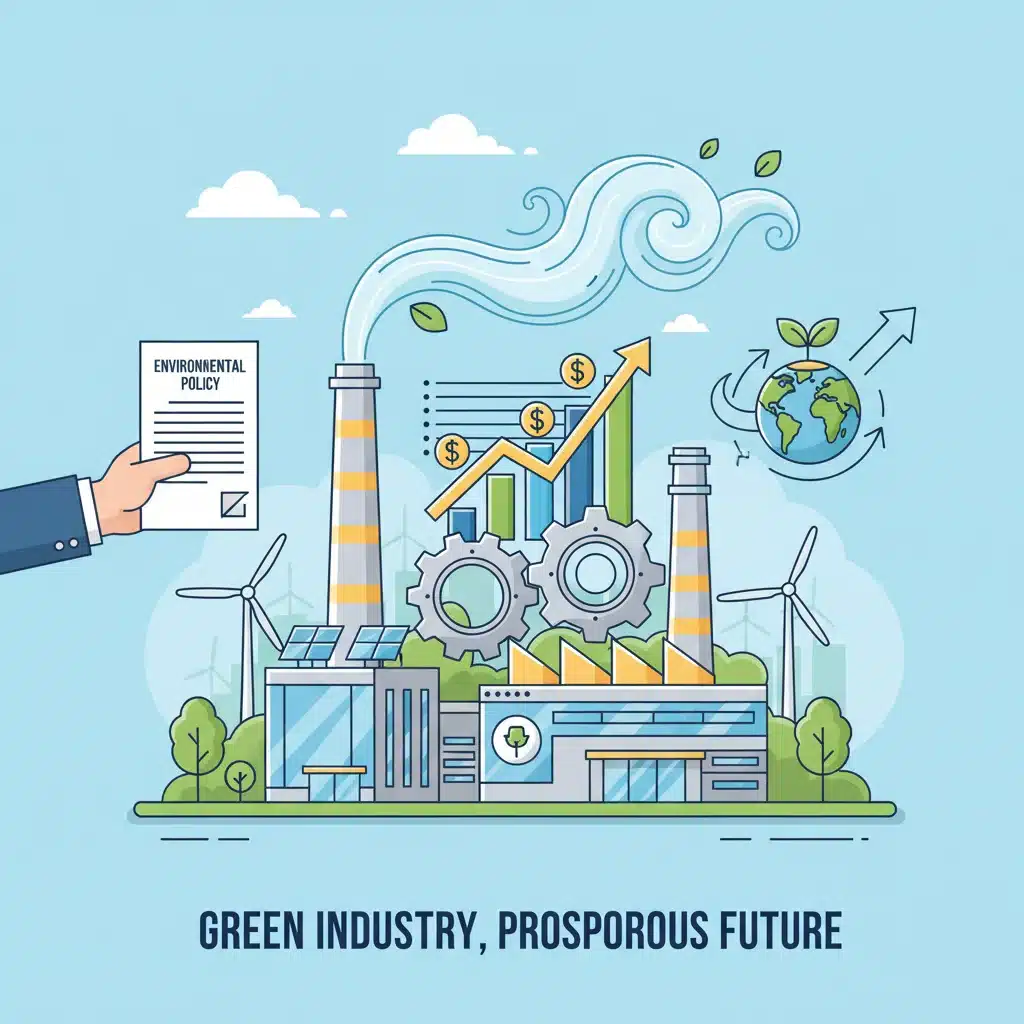
Major Policy Change: EPA’s New Emissions Standards Expected to Affect 40% of US Industries by Q3 2026
The regulatory landscape for American industries is on the cusp of a profound transformation. The Environmental Protection Agency (EPA) has unveiled a comprehensive set of new emissions standards, a policy shift poised to significantly impact an estimated 40% of US industries by the third quarter of 2026. This isn’t just another regulatory update; it’s a recalibration of environmental responsibility that will necessitate strategic rethinking, substantial investment, and innovative solutions across diverse sectors. Understanding the nuances of these EPA emissions standards is not merely about compliance; it’s about foresight, competitive advantage, and long-term sustainability in a rapidly evolving global economy.
The EPA’s mandate is clear: to protect human health and the environment. These new standards are a direct response to escalating concerns about climate change, air quality, and public health. They aim to reduce greenhouse gas emissions, limit criteria pollutants, and foster a cleaner, more sustainable industrial footprint. For businesses, this translates into a pressing need to evaluate current operations, identify areas of non-compliance, and develop robust strategies for adaptation. The clock is ticking, and the industries that proactively embrace these changes will be best positioned to thrive in the new regulatory environment.
Understanding the New EPA Emissions Standards
At the heart of this policy change are the specific requirements and targets set by the EPA. While the full scope of these regulations is extensive and varies by industry, several overarching themes emerge. These include stricter limits on carbon dioxide (CO2), methane (CH4), and nitrous oxide (N2O) emissions, particularly from power plants and heavy industries. Furthermore, there are enhanced requirements for monitoring, reporting, and verification (MRV) of emissions data, demanding greater transparency and accountability from regulated entities.
The EPA has also emphasized the adoption of Best Available Control Technology (BACT) and Lowest Achievable Emission Rate (LAER) for new and modified sources, pushing industries towards cutting-edge pollution control measures. For existing facilities, the focus is on implementing reasonably available control technology (RACT) and ensuring continuous improvement in emissions performance. These standards are not static; they are designed to evolve, reflecting advancements in technology and a deeper understanding of environmental impacts.
Key industries most likely to be affected include:
- Energy Production: Coal-fired power plants, natural gas facilities, and oil refineries face significant pressure to reduce emissions, potentially accelerating the transition to renewable energy sources.
- Manufacturing: Heavy manufacturing sectors such as steel, cement, chemicals, and automotive will need to invest in new production processes, energy efficiency upgrades, and pollution control equipment.
- Transportation: While often regulated separately, the ripple effects on fuel production and vehicle manufacturing supply chains will be notable.
- Agriculture: Large-scale agricultural operations, particularly those with significant livestock or fertilizer use, may see new regulations concerning methane and nitrous oxide emissions.
- Waste Management: Landfills and waste-to-energy facilities will face heightened scrutiny regarding methane capture and combustion efficiency.
Each of these sectors will need to conduct thorough assessments to understand their specific obligations and the technological pathways available for compliance with the new EPA emissions standards. The complexity lies not just in understanding the regulations, but in integrating them into existing operational frameworks and long-term business strategies.
Economic Implications: Costs and Opportunities
The economic impact of the new EPA emissions standards is multifaceted, presenting both significant challenges and compelling opportunities. On the one hand, industries will incur compliance costs. These can include capital expenditures for new equipment, research and development into cleaner technologies, operational expenses for monitoring and maintenance, and administrative costs associated with reporting and permitting.
Estimates suggest that these costs could run into billions of dollars across the affected sectors. Smaller businesses, in particular, might find it challenging to absorb these expenses without external support or innovative financing solutions. There’s a potential for increased operational costs, which could translate into higher prices for consumers or reduced profitability for businesses that struggle to adapt efficiently.
However, the narrative isn’t solely about costs. These EPA emissions standards also act as a powerful catalyst for innovation and economic growth. The demand for cleaner technologies, energy-efficient solutions, and environmental consulting services is set to skyrocket. This creates new markets for businesses specializing in:
- Renewable energy deployment and integration.
- Carbon capture, utilization, and storage (CCUS) technologies.
- Advanced materials and manufacturing processes with lower environmental footprints.
- Digital solutions for emissions monitoring, reporting, and optimization.
- Environmental engineering and consulting services.
Companies that are agile and forward-thinking can leverage these opportunities to gain a competitive edge, attract environmentally conscious investors, and enhance their brand reputation. Early adopters of sustainable practices often find themselves better positioned for future regulatory changes and evolving consumer preferences. Furthermore, investments in energy efficiency can lead to long-term operational savings, offsetting initial compliance costs.

Strategic Adaptations for Businesses
Navigating the new EPA emissions standards requires a robust and proactive strategic approach. Businesses cannot afford to wait until the last minute; early planning and implementation are crucial for minimizing disruption and maximizing benefits.
1. Comprehensive Emissions Audits and Assessments
The first step for any affected industry is a thorough audit of current emissions profiles. This involves identifying all sources of emissions, quantifying their volumes, and assessing their compliance status against the new EPA standards. This audit should extend beyond direct emissions (Scope 1) to include indirect emissions from purchased energy (Scope 2) and, where relevant, other indirect emissions across the value chain (Scope 3).
2. Technology Investment and Process Optimization
Based on the audit, businesses will need to identify and invest in appropriate technologies and process improvements. This could involve:
- Upgrading to more energy-efficient machinery and equipment.
- Implementing carbon capture and storage (CCS) technologies for high-emitting processes.
- Transitioning to cleaner fuels or renewable energy sources.
- Optimizing production processes to reduce waste and increase efficiency.
- Investing in advanced exhaust treatment systems and air pollution control devices.
The choice of technology will depend on the specific industry, existing infrastructure, and the scale of operations. A cost-benefit analysis should guide these investment decisions, considering both immediate compliance and long-term operational savings.
3. Supply Chain Engagement and Collaboration
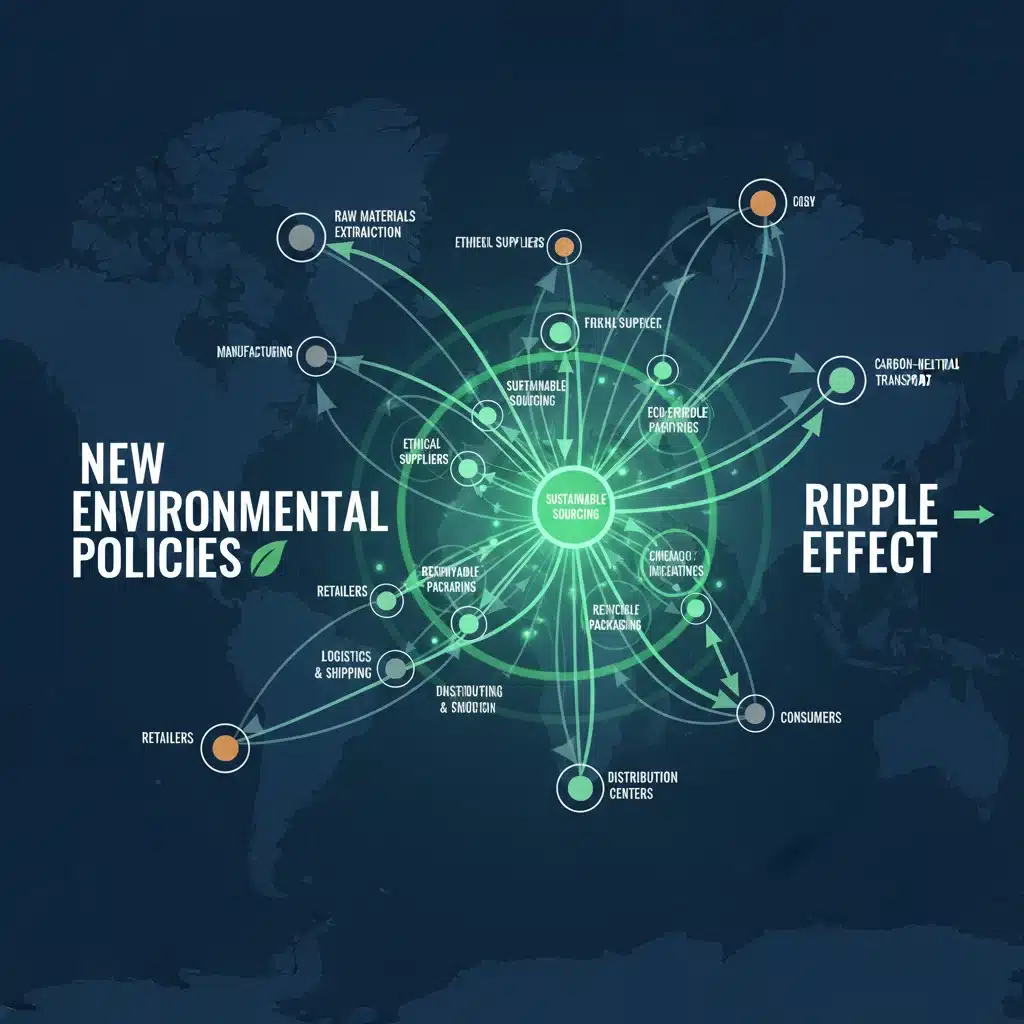
The impact of EPA emissions standards often extends beyond a company’s direct operations, influencing its entire supply chain. Businesses will need to engage with suppliers and customers to ensure that upstream and downstream activities also meet environmental benchmarks or support overall compliance efforts. This could involve:
- Establishing green procurement policies.
- Collaborating with suppliers on sustainable material sourcing and production.
- Supporting customers in managing the end-of-life impact of products.
Industry collaboration can also be a powerful tool. Sharing best practices, pooling resources for research and development, and jointly advocating for supportive policies can help accelerate the transition to cleaner operations for all.
4. Workforce Training and Development
Implementing new technologies and processes requires a skilled workforce. Businesses will need to invest in training programs to equip employees with the knowledge and skills necessary to operate and maintain new environmental control systems, monitor emissions data, and adhere to new operational protocols. This also presents an opportunity for job creation in green sectors.
5. Robust Monitoring, Reporting, and Verification (MRV) Systems
Compliance with the new EPA emissions standards hinges on accurate and transparent MRV. Companies will need to establish robust systems for continuously monitoring emissions, collecting data, and preparing comprehensive reports for regulatory bodies. This often involves integrating advanced sensors, data analytics platforms, and environmental management information systems (EMIS).
6. Financial Planning and Access to Capital
The financial implications cannot be overstated. Businesses must develop detailed financial plans that account for capital expenditures, operational costs, and potential penalties for non-compliance. Exploring government incentives, grants, and green financing options can help alleviate the financial burden and facilitate necessary investments. The Inflation Reduction Act, for instance, offers various tax credits and incentives for clean energy and emissions reduction technologies.
The Role of Innovation and Technology
Innovation and technological advancement are pivotal to meeting the challenges posed by the new EPA emissions standards. Businesses that embrace R&D and invest in cutting-edge solutions will not only achieve compliance but also unlock new efficiencies and market opportunities.
Consider the rise of Artificial Intelligence (AI) and machine learning (ML) in optimizing industrial processes for reduced emissions. AI can analyze vast datasets from sensors and operational systems to identify inefficiencies, predict equipment failures, and suggest real-time adjustments that minimize energy consumption and pollutant output. Digital twin technology, for example, allows companies to create virtual models of their physical assets, simulating different operational scenarios to find the most environmentally friendly and cost-effective approaches.
Material science is another frontier. The development of new, low-carbon materials and manufacturing techniques can drastically reduce embodied emissions in products. Advances in battery technology, hydrogen fuel cells, and sustainable biofuels are transforming the energy landscape, offering viable alternatives to fossil fuels for various industrial applications.
Furthermore, the circular economy model, which emphasizes reducing waste, reusing materials, and recycling resources, gains renewed importance under stricter EPA emissions standards. Innovations in waste heat recovery, industrial symbiosis (where waste from one industry becomes raw material for another), and advanced recycling technologies are crucial for minimizing environmental impact and maximizing resource efficiency.
Potential Challenges and Mitigation Strategies
While the long-term benefits of cleaner industries are undeniable, the transition period presents several challenges:
1. Financial Burden
As mentioned, the upfront costs of compliance can be substantial. Mitigation strategies include:
- Seeking government grants, tax credits, and low-interest loans.
- Exploring green bonds and other sustainable finance instruments.
- Phased implementation of upgrades to spread costs over time.
- Forming consortia with other businesses to invest in shared infrastructure or R&D.
2. Technological Gaps
Some industries may lack readily available, cost-effective technologies to meet the most stringent EPA emissions standards. This necessitates:
- Increased investment in R&D, potentially through public-private partnerships.
- Collaboration with academic institutions and technology developers.
- Advocacy for flexible compliance pathways or technology-neutral regulations where appropriate.
3. Supply Chain Disruptions
Changes in production methods or material requirements due to EPA standards could disrupt existing supply chains. Mitigation strategies include:
- Diversifying suppliers to reduce reliance on non-compliant sources.
- Working closely with key suppliers to help them achieve compliance.
- Exploring localized sourcing to reduce transportation-related emissions.
4. Competitive Disadvantage
Industries in states or regions with less stringent regulations might initially face a competitive advantage. However, as global environmental standards converge, and consumer preferences shift, this advantage is likely to diminish. Proactive compliance can position US industries as leaders in sustainability, appealing to a growing segment of the global market.
The Broader Impact of EPA Emissions Standards
The EPA’s new emissions standards are not just about industrial compliance; they are a critical component of a broader national and global effort to combat climate change and improve public health. Reducing industrial emissions has direct benefits, such as:
- Improved Air Quality: Leading to fewer respiratory illnesses, heart diseases, and other health problems, particularly in communities near industrial facilities.
- Climate Change Mitigation: Contributing to the reduction of greenhouse gases, helping to slow global warming and its associated impacts like extreme weather events and rising sea levels.
- Ecosystem Protection: Decreased pollution benefits ecosystems, supporting biodiversity and the health of natural resources.
- Enhanced National Security: Reducing reliance on fossil fuels can bolster energy independence and reduce geopolitical vulnerabilities.
- Global Leadership: By setting ambitious environmental standards, the US can reassert its leadership in global sustainability efforts, influencing international policy and trade.
This policy shift also aligns with the growing trend of Environmental, Social, and Governance (ESG) investing. Companies that demonstrate strong environmental performance are increasingly favored by investors, leading to better access to capital and improved valuations. The new EPA emissions standards will accelerate this trend, making sustainability an even more integral part of corporate strategy and investor relations.
Preparing for Q3 2026 and Beyond
The deadline of Q3 2026 for the full impact of these EPA emissions standards may seem distant, but for many industries, the scale of necessary changes demands immediate action. Companies should consider:
- Establishing a dedicated cross-functional task force to oversee compliance efforts.
- Engaging with legal and environmental consultants to interpret specific regulations.
- Developing a detailed roadmap for technology upgrades, process changes, and infrastructure investments.
- Communicating transparently with stakeholders, including employees, investors, and local communities.
- Actively participating in industry associations to stay informed and influence policy discussions.
The transition will undoubtedly be challenging, but it is also an opportunity for American industries to modernize, innovate, and position themselves for long-term success in a world that increasingly values environmental stewardship. The new EPA emissions standards are a clear signal that the era of unfettered emissions is drawing to a close, paving the way for a cleaner, more sustainable industrial future for the United States.
In conclusion, the EPA’s new emissions standards represent a monumental shift for nearly half of US industries. While the path to compliance involves significant investment and strategic adaptation, it simultaneously opens doors to innovation, competitive advantage, and a more sustainable operating model. Businesses that embrace these changes proactively will not only meet regulatory requirements but will also contribute to a healthier planet and secure their place in the evolving global economy. The time for action is now.