U.S. Universities Adapt Curriculum for 2026 Workforce: 3 Key Shifts
The landscape of work is undergoing a profound transformation. As we inch closer to 2026, industries are facing unprecedented changes driven by technological advancements, global interconnectedness, and evolving societal needs. This dynamic environment places immense pressure on higher education institutions, particularly U.S. universities, to re-evaluate and recalibrate their offerings. The question is no longer if, but how, these venerable institutions are adapting their curriculum to equip the next generation of professionals with the skills and knowledge essential for success in the 2026 workforce. This article delves into the insider knowledge of these critical shifts, exploring the proactive measures universities are taking to bridge the gap between traditional education and future job market demands. We will identify and analyze three pivotal transformations in university curriculum shifts that are shaping the future of higher education.
The pace of change in the global economy is relentless. Automation, artificial intelligence, big data, and climate change are not just buzzwords; they are fundamental forces reshaping job roles, creating new industries, and rendering some traditional skills obsolete. For U.S. universities, the challenge is multifaceted: how to maintain academic rigor and foundational knowledge while simultaneously fostering agility, critical thinking, and adaptability in students. This isn’t merely about adding a few new courses; it’s about a holistic re-imagining of educational paradigms. The focus is increasingly shifting from rote memorization to experiential learning, from siloed disciplines to interdisciplinary collaboration, and from a fixed skill set to a mindset of continuous learning and innovation. Understanding these university curriculum shifts is crucial for prospective students, educators, policymakers, and employers alike, as they collectively navigate the complexities of preparing for the future of work.
The Imperative for Change: Why Universities Must Evolve
Before diving into the specific shifts, it’s vital to understand the underlying drivers compelling this educational evolution. The World Economic Forum’s ‘Future of Jobs’ reports consistently highlight a growing skills gap. While technical skills remain important, the demand for ‘human’ skills – creativity, problem-solving, emotional intelligence, and resilience – is skyrocketing. Employers are seeking graduates who can not only perform specific tasks but also adapt to new technologies, collaborate effectively in diverse teams, and navigate ethical dilemmas in an increasingly complex world. Furthermore, the shelf life of knowledge is shrinking. What is cutting-edge today might be commonplace tomorrow. Therefore, universities can no longer simply impart a fixed body of knowledge; they must cultivate a lifelong learning mindset. This fundamental understanding forms the bedrock upon which the three key university curriculum shifts are being built.
The traditional model of higher education, while historically successful, is showing signs of strain in the face of these rapid changes. Lectures, standardized tests, and a rigid departmental structure often struggle to keep pace with the dynamic demands of the modern workforce. Students, too, are increasingly seeking educational experiences that are directly relevant, practical, and provide a clear pathway to employment and meaningful careers. This desire for relevance, coupled with the urgent needs of industries, creates a powerful impetus for universities to innovate. It’s a race against time to ensure that graduates are not just educated, but truly workforce-ready. The institutions that embrace these university curriculum shifts most effectively will undoubtedly set the standard for future higher education.
Skill-Centric Learning: Beyond Traditional Disciplines
The first major shift in U.S. university curriculum is a pronounced move towards skill-centric learning, often transcending traditional disciplinary boundaries. Historically, degrees were defined by a specific field of study – a Bachelor of Arts in English, a Bachelor of Science in Chemistry. While foundational knowledge in these areas remains critical, universities are increasingly designing programs and courses around the development of transferable, in-demand skills. This means a greater emphasis on competencies like data literacy, computational thinking, ethical reasoning, cross-cultural communication, and digital fluency, regardless of the student’s primary major.
For example, a history major might now be required to take courses in data visualization to analyze historical trends, or a business student might delve into modules on artificial intelligence ethics. This interdisciplinary approach ensures that graduates possess a versatile toolkit applicable across various sectors. Universities are creating ‘skill badges’ or ‘micro-credentials’ that complement traditional degrees, allowing students to demonstrate proficiency in specific, sought-after skills. This modular approach provides flexibility and allows students to customize their learning pathways based on their career aspirations and the evolving needs of the job market. The integration of these skill-based modules into existing programs represents a significant university curriculum shift, moving away from purely content-driven education to a more outcome-oriented model.
The implementation of skill-centric learning also involves a re-evaluation of assessment methods. Instead of solely relying on exams that test recall, universities are incorporating project-based assessments, portfolio development, and real-world case studies that require students to apply their skills to complex problems. This not only better prepares students for the challenges of the workplace but also provides employers with a more tangible demonstration of a graduate’s capabilities. Furthermore, career services departments are becoming more deeply integrated into academic advising, helping students identify relevant skills and connect them with potential employers who value these competencies. This holistic approach ensures that the university curriculum shifts are not just theoretical, but are practically applied and lead to tangible benefits for students.
Experiential Learning and Industry Integration
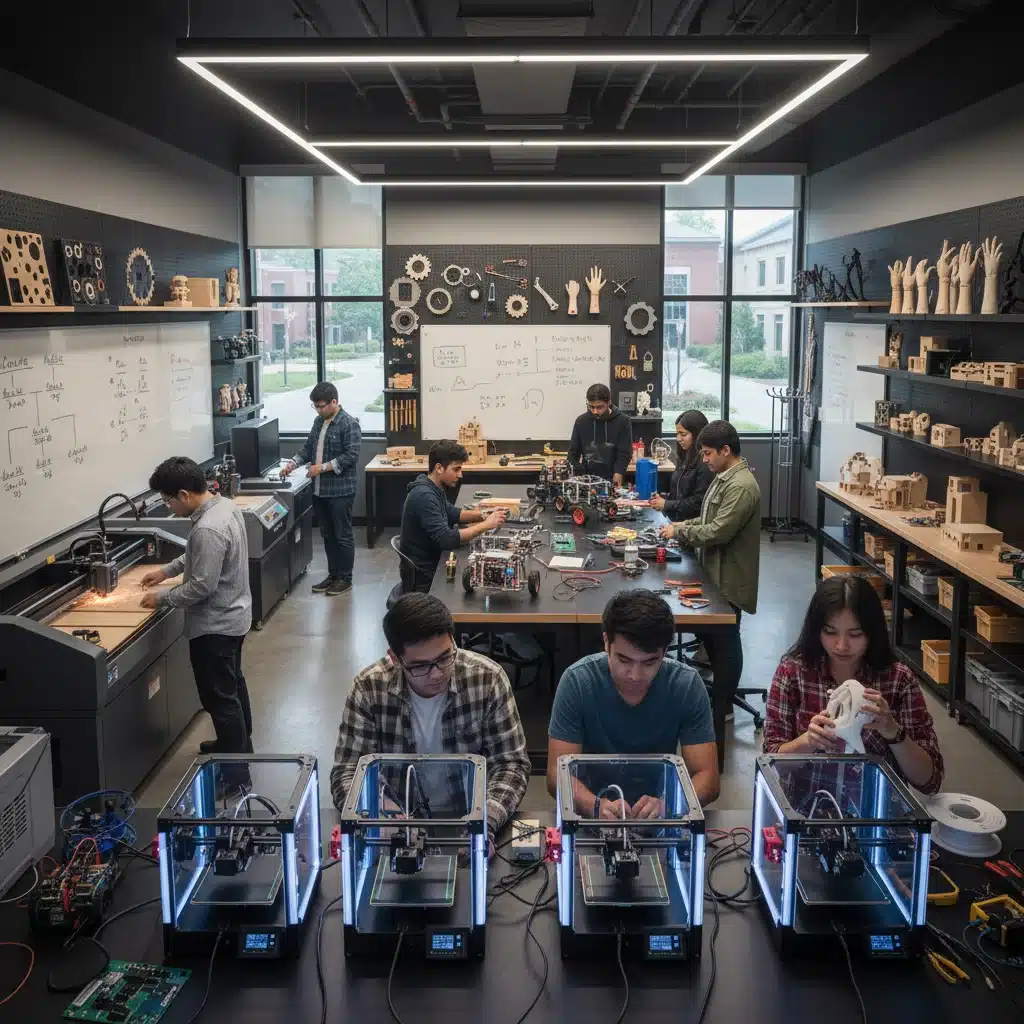
The second pivotal shift is the widespread adoption and integration of experiential learning opportunities, coupled with deeper industry partnerships. The days of purely theoretical education are largely over. Universities recognize that true learning often occurs when students can apply classroom knowledge to real-world scenarios. This manifests in various forms: expanded internship programs, co-op experiences, service-learning projects, capstone projects developed in collaboration with companies, and even student-run businesses or incubators.
Many U.S. universities are establishing formal partnerships with corporations, non-profits, and government agencies to create structured experiential learning pathways. These partnerships provide students with invaluable exposure to industry practices, mentorship from professionals, and the opportunity to contribute to meaningful projects. For example, engineering students might work on design challenges posed by a manufacturing firm, or public health students might collaborate with local health departments on community initiatives. This hands-on experience is critical not only for skill development but also for helping students build professional networks and gain a clearer understanding of potential career paths. These direct connections with industry are fundamental university curriculum shifts that ensure graduates are not just academically prepared, but also professionally seasoned.
Moreover, some universities are going a step further by embedding industry professionals directly into the curriculum. This could involve guest lecturers who are leaders in their fields, adjunct faculty who bring current industry insights into the classroom, or even co-teaching models where academics and practitioners collaborate. This continuous influx of real-world perspectives ensures that the curriculum remains relevant and responsive to the latest industry trends and challenges. The goal is to blur the lines between academia and the professional world, making the transition from student to employee as seamless as possible. This emphasis on practical application and industry exposure is one of the most impactful university curriculum shifts, creating graduates who are immediately valuable to employers.
Fostering Adaptability and Lifelong Learning
The third and perhaps most crucial university curriculum shift is the deliberate cultivation of adaptability and a lifelong learning mindset. Given the rapid pace of change, students cannot expect to learn everything they need to know in four years. The ability to unlearn, relearn, and continuously adapt to new information and technologies is paramount. Universities are embedding metacognitive strategies into their teaching, encouraging students to reflect on their learning processes, identify their strengths and weaknesses, and develop strategies for self-directed learning.
This involves teaching students how to learn, rather than just what to learn. Critical thinking, problem-solving, and research skills are emphasized across all disciplines, empowering students to independently acquire new knowledge and navigate ambiguity. Furthermore, universities are increasingly offering resources and pathways for continuous education beyond the initial degree. This includes micro-credentials, executive education programs, and alumni learning initiatives, signaling a commitment to supporting graduates throughout their professional lives. The idea is to instill in students the understanding that education is not a finite process that ends with graduation, but an ongoing journey. These university curriculum shifts are designed to create resilient and agile professionals ready for an unpredictable future.
Part of fostering adaptability also involves exposing students to diverse perspectives and fostering global citizenship. Many programs now incorporate international experiences, cross-cultural communication courses, and studies on global challenges. Understanding different cultures, economic systems, and ethical frameworks prepares students to work in an increasingly interconnected world and to tackle complex problems that transcend national borders. This broader perspective enhances their ability to adapt to new environments and collaborate effectively with people from varied backgrounds. The development of such ‘soft skills’ alongside technical competencies is a hallmark of these forward-thinking university curriculum shifts.
Challenges and Opportunities in Curriculum Adaptation
While these university curriculum shifts are essential, their implementation is not without challenges. Resistance to change from entrenched academic departments, the need for significant faculty development, and the financial investment required for new technologies and experiential learning infrastructure are considerable hurdles. Universities must also navigate the balance between offering specialized, career-focused programs and maintaining the breadth and depth of a liberal arts education, which remains vital for developing well-rounded individuals and critical thinkers.
However, the opportunities presented by these adaptations far outweigh the challenges. Universities that successfully embrace these shifts will not only produce highly sought-after graduates but will also solidify their relevance in a rapidly changing world. They will become hubs of innovation, research, and talent development, attracting the best students and faculty. Furthermore, by actively engaging with industry and addressing societal needs, universities can contribute significantly to economic growth and social progress. The ongoing dialogue between academia, industry, and government is crucial for refining these university curriculum shifts and ensuring their long-term effectiveness.
The Role of Technology in Driving Curriculum Innovation
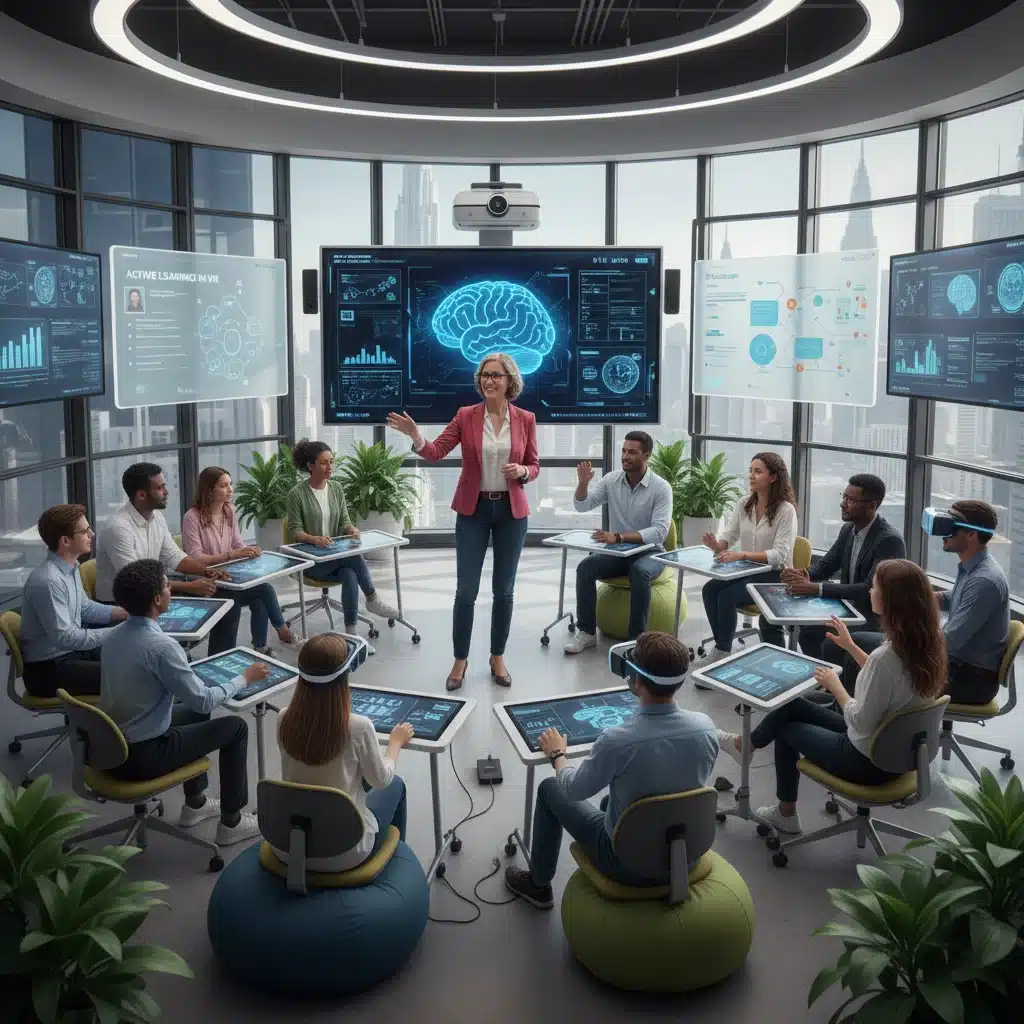
Technology plays a dual role in these university curriculum shifts: it is both a driver of change in the workforce and a powerful tool for educational innovation. Learning management systems have evolved, and new platforms for online and blended learning are expanding access and flexibility. Virtual reality (VR) and augmented reality (AR) are being used to create immersive learning experiences, from virtual dissections in anatomy classes to simulated engineering environments. Artificial intelligence (AI) is being leveraged for personalized learning pathways, adaptive assessments, and even AI-powered tutors that can provide instant feedback to students.
Beyond classroom tools, technology is also enabling new pedagogical approaches. Data analytics allows universities to track student progress more effectively, identify areas where students struggle, and tailor interventions. Collaborative online tools facilitate group projects and discussions, even among students located in different parts of the world. The integration of coding and computational thinking into non-STEM fields is becoming more common, recognizing that digital literacy is now a foundational skill for almost every profession. These technological integrations are not just enhancements; they are integral to the university curriculum shifts aimed at preparing students for a technologically advanced workforce.
The strategic adoption of technology also extends to administrative processes that support curriculum development. Universities are using sophisticated software to analyze labor market data, identify emerging skill demands, and quickly adjust course offerings. This data-driven approach to curriculum design ensures that the educational programs remain aligned with the needs of employers. Furthermore, online platforms are facilitating greater collaboration among faculty across different departments and even across different institutions, leading to the creation of more innovative and interdisciplinary programs. The thoughtful and strategic use of technology is therefore a cornerstone of effective university curriculum shifts.
Faculty Development: The Linchpin of Change
Implementing these significant university curriculum shifts requires more than just new policies and programs; it demands a transformation in teaching practices. Faculty members are the frontline implementers of curriculum, and their development is paramount. Universities are investing heavily in professional development programs that equip professors with the skills to teach in new ways. This includes training in active learning methodologies, project-based learning, the integration of technology into the classroom, and strategies for fostering critical thinking and adaptability.
Many institutions are also encouraging faculty to engage in industry externships or sabbaticals where they can gain direct experience in contemporary professional settings. This helps professors bring real-world relevance and up-to-date industry knowledge back into their courses. Furthermore, interdisciplinary collaboration among faculty is being actively promoted, breaking down traditional academic silos and fostering a more integrated educational experience for students. This could involve co-teaching courses, developing joint research projects, or even creating new interdisciplinary departments or centers. The success of these university curriculum shifts ultimately hinges on the willingness and ability of faculty to embrace and drive this evolution.
Measuring Success and Continuous Improvement
For these university curriculum shifts to be truly effective, institutions must establish robust mechanisms for measuring success and fostering continuous improvement. This involves collecting and analyzing data on student outcomes, including graduation rates, employment rates, salary levels, and alumni satisfaction. Feedback from employers is also crucial, providing insights into whether graduates are indeed equipped with the skills needed in the workforce. Surveys of current students can help gauge the effectiveness of new pedagogical approaches and program designs.
Beyond quantitative metrics, qualitative assessments are also important. Universities are conducting focus groups with students, faculty, and employers to gather nuanced perspectives on the impact of curriculum changes. This information is then used to iterate on programs, refine teaching methods, and make further adjustments to the curriculum. The commitment to continuous improvement ensures that the university curriculum shifts remain dynamic and responsive to the ever-evolving demands of the 2026 workforce and beyond. This iterative process is a hallmark of institutions dedicated to excellence and relevance.
Conclusion: Preparing for the Future, Today
The U.S. university system is at a critical juncture, responding to the urgent call to prepare students for a workforce that is fundamentally different from that of even a decade ago. The three key university curriculum shifts – skill-centric learning, experiential learning and industry integration, and fostering adaptability and lifelong learning – represent a comprehensive strategy to meet this challenge head-on. These are not isolated changes but interconnected components of a holistic transformation aimed at producing graduates who are not only knowledgeable but also agile, innovative, and resilient.
As we look towards 2026 and beyond, the institutions that successfully navigate these shifts will be the ones that thrive, continuing to serve as vital engines of talent development and societal progress. For students, understanding these transformations means making informed choices about their education, seeking out programs that emphasize these future-focused competencies. For employers, it means recognizing the evolving value proposition of university graduates and actively engaging with educational institutions to shape the talent pipeline. The future of work is here, and U.S. universities are proactively adapting their curriculum to ensure that the next generation is not just ready for it, but poised to lead it. These ongoing university curriculum shifts are a testament to the enduring commitment of higher education to innovation and relevance in a world of constant change.