Future of STEM Education: 4 Critical Trends Shaping 2026 and Beyond
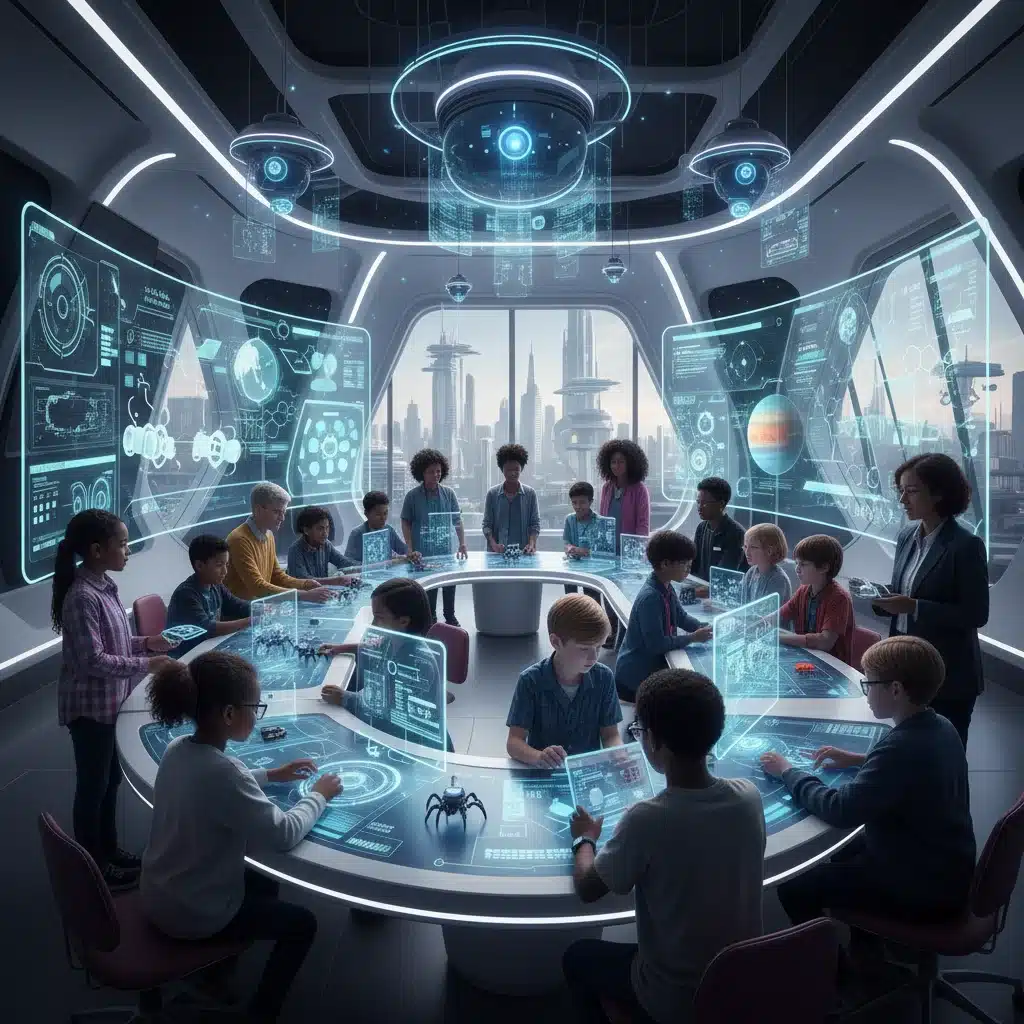
The landscape of education is in a perpetual state of flux, constantly adapting to the demands of a rapidly evolving world. Nowhere is this more evident than in Science, Technology, Engineering, and Mathematics (STEM) education. As we look towards 2026 and beyond, the United States is poised for significant transformations in how STEM subjects are taught, learned, and applied. The emphasis on innovation, critical thinking, and problem-solving has never been greater, driven by technological advancements and the increasing complexity of global challenges. Understanding the future of STEM education is crucial for educators, policymakers, students, and parents alike.
The U.S. economy’s reliance on a skilled STEM workforce continues to grow, making robust and forward-thinking STEM education policies and practices paramount. This article will delve into four critical trends that are not merely emerging but are actively shaping the future of STEM education in the U.S. These trends represent a paradigm shift, moving away from traditional, one-size-fits-all approaches towards more dynamic, inclusive, and effective models that prepare students for the demands of the 21st century and beyond. From personalized learning pathways to the pervasive integration of Artificial Intelligence, and from fostering interdisciplinary thinking to aligning education with real-world workforce needs, these trends are redefining what it means to be STEM-literate.
Personalized Learning Paths and Adaptive Technologies
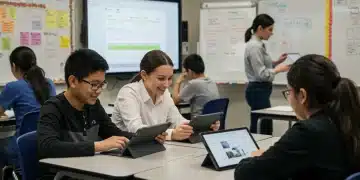
One of the most transformative trends in the future of STEM education is the widespread adoption of personalized learning paths. The traditional classroom model, where all students receive the same instruction at the same pace, is increasingly being recognized as suboptimal for many. Individual students possess unique learning styles, paces, and prior knowledge. Personalized learning leverages technology to tailor educational content and methods to meet these individual needs, thereby maximizing engagement and comprehension in STEM subjects.
Adaptive learning technologies are at the forefront of this revolution. These platforms use algorithms and data analytics to assess a student’s understanding, identify areas of difficulty, and then adjust the curriculum and teaching methods accordingly. For instance, if a student struggles with a particular concept in algebra, the system can provide additional exercises, different explanations, or even recommend supplementary resources until mastery is achieved. Conversely, students who grasp concepts quickly can be challenged with more advanced material, preventing boredom and fostering deeper engagement. This approach is particularly effective in complex STEM fields where foundational understanding is critical for subsequent learning.
The Role of Artificial Intelligence in Personalization
Artificial Intelligence (AI) plays a pivotal role in enabling truly personalized learning experiences. AI-powered tutors can offer one-on-one support, answer questions, and provide immediate feedback, mimicking the individualized attention of a human tutor but at scale. These systems can analyze vast amounts of student data, including performance on assignments, time spent on tasks, and even emotional responses to learning materials, to create highly customized learning journeys. This level of granular insight allows educators to intervene effectively and provide targeted support where it’s most needed.
Moreover, AI can help identify learning gaps and predict future academic challenges before they become significant obstacles. By recognizing patterns in student performance, AI can flag students who might be at risk of falling behind, allowing educators to provide proactive support. This predictive capability is invaluable in STEM, where cumulative knowledge is essential, and early intervention can prevent students from disengaging from challenging subjects.
Benefits and Challenges of Personalized STEM Learning
The benefits of personalized learning in STEM are manifold. Students are more likely to stay engaged when the material is relevant and appropriately challenging. It fosters a sense of ownership over their learning, encouraging self-directed study and critical thinking. For educators, personalized learning tools can free up time from administrative tasks, allowing them to focus more on mentorship, project-based learning, and addressing individual student needs. It also provides valuable data that can inform pedagogical strategies and curriculum development.
However, implementing personalized learning at scale presents challenges. The initial investment in technology and teacher training can be substantial. Ensuring equitable access to these technologies for all students, regardless of socioeconomic background, is another critical consideration. Furthermore, educators need to be trained not just on how to use these tools, but also on how to interpret the data they provide and integrate them effectively into their teaching practices. Despite these challenges, the potential for personalized learning to transform the future of STEM education is undeniable, promising a more effective and equitable learning experience for all.
The Pervasive Integration of Artificial Intelligence and Machine Learning
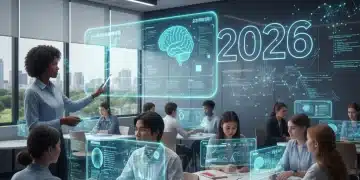
Beyond personalized learning, Artificial Intelligence (AI) and Machine Learning (ML) are set to become pervasive tools within the broader STEM curriculum itself, not just as aids to learning but as subjects of study and practical application. The future of STEM education will see students not only learning about AI/ML but also utilizing these technologies to solve complex problems, analyze data, and innovate across various scientific and engineering disciplines. This trend emphasizes hands-on experience and computational thinking, preparing students for a world increasingly driven by intelligent systems.
AI as a Subject of Study
As AI and ML continue to reshape industries and daily life, understanding their principles, applications, and ethical implications becomes a fundamental component of STEM literacy. Educational institutions are beginning to integrate AI/ML concepts into K-12 and higher education curricula. This means introducing students to programming languages commonly used in AI (like Python), teaching them about data structures, algorithms, and the basics of neural networks. The goal is not necessarily to turn every student into an AI researcher, but to equip them with a foundational understanding that allows them to interact intelligently with AI systems and contribute to AI-driven fields.
This includes exploring the ethical dimensions of AI, such as bias in algorithms, data privacy, and the societal impact of automation. Critical thinking about these issues will be as important as technical proficiency, ensuring that future STEM professionals are not just technically capable but also socially responsible. The future of STEM education demands a holistic approach to AI literacy.
AI as a Tool for Discovery and Innovation
The integration of AI/ML goes beyond theoretical understanding; it involves using these technologies as powerful tools for scientific discovery and engineering innovation. Students will be engaged in projects where they use AI to analyze large datasets in biology, simulate complex physical phenomena, or design optimized engineering solutions. For example, in a biology class, students might use ML algorithms to identify patterns in genetic sequences or predict protein structures. In engineering, AI could assist in designing more efficient materials or autonomous systems.
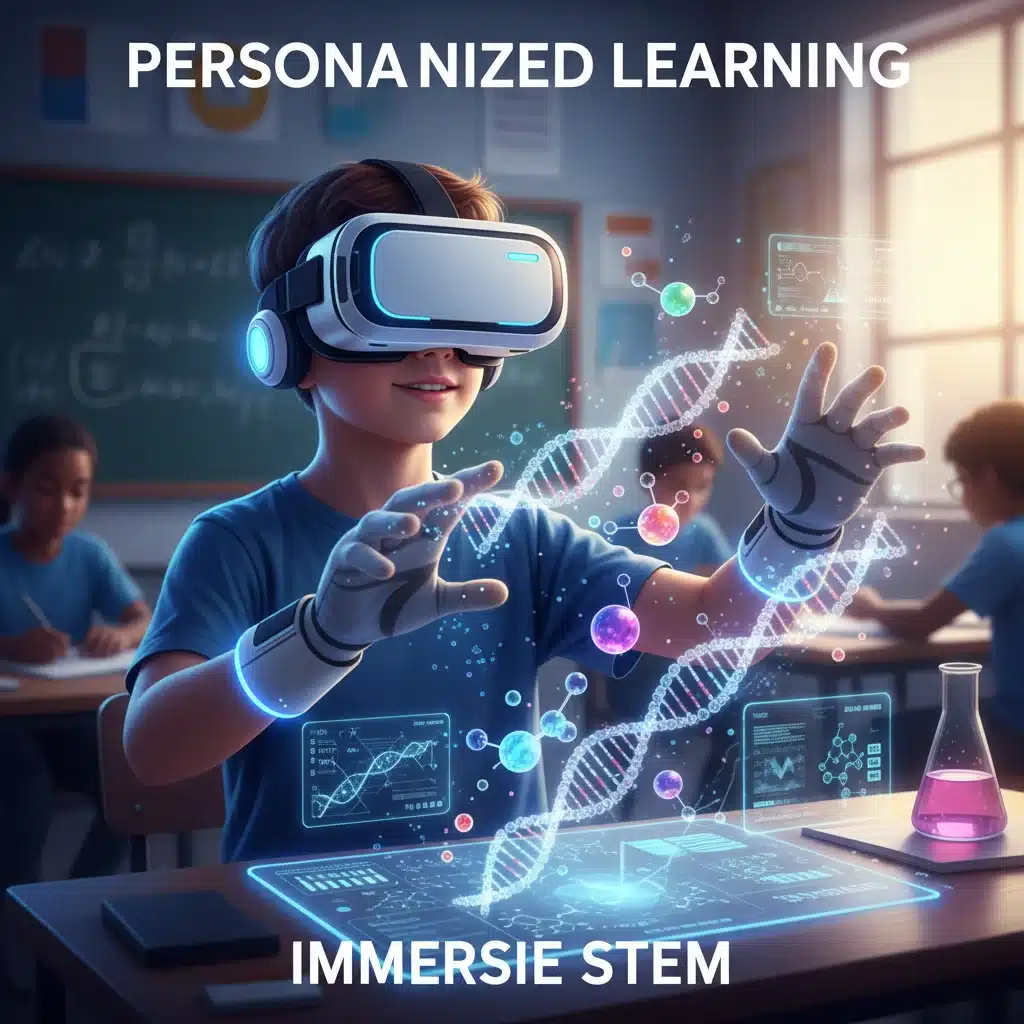
This hands-on application of AI/ML allows students to experience the cutting edge of scientific research and development. It moves STEM education from rote memorization to active participation in discovery, fostering a deeper appreciation for the power of computational methods. This practical engagement also develops critical problem-solving skills, computational thinking, and data literacy, all of which are highly valued in the modern workforce.
Challenges and Opportunities
Integrating AI and ML into the curriculum presents several challenges. Educators need to be trained to teach these complex subjects, and access to appropriate computational resources and software is essential. Developing age-appropriate curricula that introduce AI concepts effectively across different educational levels will also be crucial. Furthermore, the rapid pace of AI development means that curricula must be flexible and continually updated to remain relevant.
However, the opportunities are immense. By embracing AI/ML, the future of STEM education can empower students to tackle some of the world’s most pressing challenges, from climate change to disease prevention. It prepares them for a future where AI is not just a niche field but an integral part of nearly every professional domain, ensuring that the U.S. maintains its competitive edge in innovation and technology.
Emphasis on Interdisciplinary and Project-Based Learning
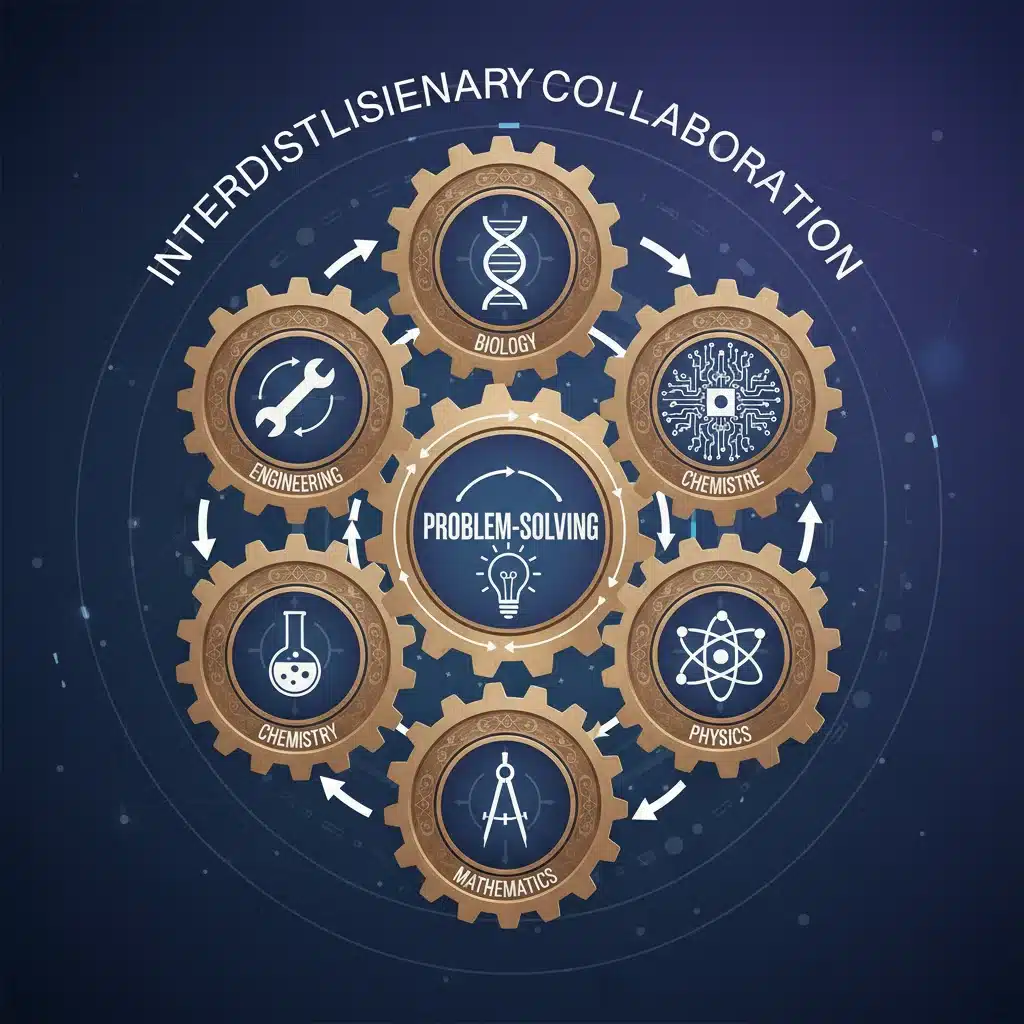
The traditional siloed approach to STEM subjects is increasingly giving way to an emphasis on interdisciplinary and project-based learning. In the real world, scientific and engineering challenges rarely fit neatly into single academic disciplines. Solving complex problems requires integrating knowledge and methodologies from various fields. The future of STEM education recognizes this reality by fostering environments where students learn to connect concepts across science, technology, engineering, and mathematics, often through hands-on, collaborative projects.
Breaking Down Disciplinary Silos
Interdisciplinary learning encourages students to see the connections between different STEM subjects. For instance, a project to design a sustainable city might require knowledge of physics (for structural integrity), computer science (for smart infrastructure), biology (for ecological considerations), and mathematics (for resource allocation and modeling). This approach reflects how professionals work in fields like biomedical engineering, data science, or environmental policy, where expertise from multiple domains is essential.
This integration helps students develop a more holistic understanding of complex systems and problems. It moves away from fragmented learning, where students might struggle to see the relevance of a particular subject, towards a more coherent and meaningful educational experience. By understanding how different STEM components interact, students are better equipped to innovate and address multifaceted challenges.
Project-Based Learning: A Cornerstone of Interdisciplinary Education
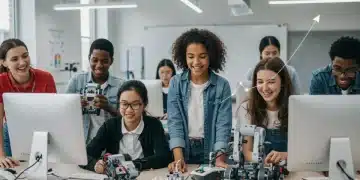
Project-based learning (PBL) is a pedagogical approach perfectly suited for fostering interdisciplinary skills. In PBL, students work on extended projects that require them to investigate and respond to a complex question, problem, or challenge. These projects often involve real-world scenarios, encouraging students to apply their knowledge in practical contexts. For example, students might design and build a robot, develop an app to solve a community problem, or conduct an experiment to analyze local environmental data.
PBL fosters critical thinking, problem-solving, collaboration, and communication skills – all essential for success in STEM careers. It allows students to take ownership of their learning, explore topics in depth, and develop a sense of accomplishment through creating tangible outcomes. The iterative nature of projects, involving research, design, testing, and refinement, mirrors the engineering design process and scientific inquiry, providing authentic learning experiences.
Benefits and Implementation Strategies
The benefits of interdisciplinary and project-based learning are significant. Students develop a deeper understanding of concepts, improve their ability to apply knowledge, and gain valuable teamwork and communication skills. It also makes learning more engaging and relevant, as students can see the direct impact of their work. For educators, it offers an opportunity to facilitate more dynamic and student-centered learning environments.
Implementing this trend requires a shift in pedagogical approaches, moving away from lecturing towards facilitating and coaching. It also necessitates curriculum redesign to create meaningful interdisciplinary projects and provide teachers with the necessary training and resources. Collaboration among teachers from different STEM disciplines is key to designing effective integrated units. By embracing interdisciplinary and project-based learning, the future of STEM education can cultivate a generation of innovators capable of tackling the complex, interconnected problems of our world.
Enhanced Alignment with Workforce Needs and Industry Partnerships
The ultimate goal of STEM education is to prepare students for successful careers and to contribute to economic growth and societal well-being. A critical trend shaping the future of STEM education is a stronger, more direct alignment with current and future workforce needs, coupled with robust industry partnerships. This ensures that educational programs are relevant, that students acquire in-demand skills, and that there is a clear pathway from learning to employment.
Identifying and Responding to Workforce Demands
The rapid pace of technological change means that the skills required in the STEM workforce are constantly evolving. The future of STEM education will involve closer collaboration with industries to identify emerging skill gaps and integrate these into curricula. This proactive approach ensures that students are learning not just theoretical concepts, but also the practical competencies and tools that employers are seeking. For example, as data science and cybersecurity become increasingly vital, educational programs will need to incorporate advanced training in these areas, perhaps through specialized courses, certifications, or practical projects.
This alignment also means emphasizing ‘soft skills’ alongside technical proficiency. Employers consistently highlight the importance of communication, collaboration, critical thinking, adaptability, and problem-solving. STEM education will increasingly integrate opportunities for students to develop these skills through team projects, presentations, and real-world case studies, preparing them for the dynamic nature of modern workplaces.
The Power of Industry Partnerships
Industry partnerships are vital for bridging the gap between academia and the professional world. These collaborations can take many forms:
- Internships and Apprenticeships: Providing students with hands-on experience in real companies allows them to apply their knowledge, gain practical skills, and build professional networks. These experiences are invaluable for career development and often lead directly to employment.
- Curriculum Development: Industry experts can directly contribute to designing and updating curricula, ensuring that educational content is relevant and up-to-date with current industry practices and technologies.
- Mentorship Programs: Professionals can mentor students, offering guidance, insights into career paths, and inspiration.
- Guest Lecturers and Workshops: Bringing industry professionals into the classroom exposes students to real-world applications of STEM concepts and current industry challenges.
- Equipment and Resource Sharing: Companies can provide schools and universities with access to cutting-edge equipment, software, and facilities that might otherwise be unavailable, enriching the learning experience.
- Sponsored Projects and Competitions: Industry-sponsored projects provide students with opportunities to work on authentic problems, often with real-world impact, fostering innovation and practical problem-solving.
Benefits for Students, Educators, and Industry
For students, enhanced alignment and industry partnerships mean better preparation for careers, increased employability, and a clearer understanding of potential career paths. They gain exposure to professional environments and develop skills directly relevant to their future jobs. For educators, these partnerships provide valuable insights into industry needs, helping them to keep their teaching fresh and relevant. It also opens up opportunities for professional development and research collaborations.
For industry, these partnerships create a pipeline of highly skilled talent, reducing recruitment costs and ensuring that the workforce is equipped with the necessary competencies. It also fosters innovation through collaboration with academic institutions and provides opportunities for corporate social responsibility. The future of STEM education hinges on these symbiotic relationships, creating a dynamic ecosystem where education and industry mutually reinforce each other, driving progress and preparing students for meaningful contributions to the workforce and society.
The Imperative of Equity and Inclusion in Future STEM Education
As we examine the critical trends shaping the future of STEM education, it’s impossible to overlook the imperative of equity and inclusion. While not a standalone trend in the same vein as personalized learning or AI integration, it is an overarching principle that must permeate all aspects of these developments. For the U.S. to truly thrive in a STEM-driven world, access to high-quality STEM education and opportunities must be equitable for all students, regardless of their background, gender, race, socioeconomic status, or geographic location.
Addressing Disparities in STEM Access and Achievement
Historically, certain demographic groups have been underrepresented in STEM fields. Girls and women, racial and ethnic minorities, students from low-income backgrounds, and those in rural areas often face significant barriers to accessing quality STEM education and pursuing STEM careers. The future of STEM education must actively work to dismantle these barriers and create inclusive environments where every student feels they belong and can succeed.
This involves proactive measures such as:
- Early Exposure: Introducing STEM concepts and career possibilities at an early age, especially in elementary and middle school, can spark interest and counter stereotypes before they take root.
- Culturally Responsive Pedagogy: Designing curricula and teaching methods that are relevant and engaging for students from diverse cultural backgrounds helps to foster a sense of belonging and make STEM more accessible.
- Mentorship and Role Models: Connecting underrepresented students with STEM professionals who share similar backgrounds can provide inspiration, guidance, and a clearer vision of what’s possible.
- Addressing Bias: Training educators to recognize and mitigate unconscious biases in the classroom and in advising students is crucial for creating a fair and supportive learning environment.
- Resource Allocation: Ensuring that schools in underserved communities have access to the same advanced technologies, well-equipped labs, and highly qualified STEM teachers as their more affluent counterparts.
Inclusive Design in New Technologies and Pedagogies
As personalized learning and AI tools become more prevalent, it is critical that they are designed with equity and inclusion in mind. Algorithms used in adaptive learning systems must be free from biases that could inadvertently disadvantage certain groups of students. Furthermore, access to these technologies must be universal. Initiatives to provide devices, internet access, and digital literacy training to all students will be essential to prevent a widening of the digital divide.
Interdisciplinary and project-based learning also offer unique opportunities for inclusive education. By focusing on real-world problems, projects can be tailored to address issues relevant to diverse communities, making learning more meaningful and empowering for all students. Collaborative projects can also foster an appreciation for diverse perspectives and teamwork, skills that are vital in an inclusive workforce.
The Societal and Economic Benefits of Inclusive STEM
Beyond the moral imperative, fostering equity and inclusion in STEM education has significant societal and economic benefits. A diverse STEM workforce brings a wider range of perspectives, experiences, and ideas, leading to more innovative solutions and better problem-solving. It ensures that the technologies and scientific advancements developed serve the needs of all segments of society, not just a select few.
By tapping into the full talent pool, the U.S. can strengthen its STEM workforce, maintain its global competitiveness, and drive sustained economic growth. The future of STEM education must therefore be a future where every student, regardless of their starting point, has the opportunity to explore, excel, and contribute to the exciting and ever-expanding world of STEM.
Conclusion: A Dynamic and Demanding Future for STEM Education
The future of STEM education in the U.S. is characterized by dynamism, innovation, and an unwavering commitment to preparing students for a world that is increasingly shaped by science and technology. The four critical trends discussed—personalized learning paths, the pervasive integration of Artificial Intelligence and Machine Learning, an emphasis on interdisciplinary and project-based learning, and enhanced alignment with workforce needs and industry partnerships—are not isolated phenomena. Instead, they are interconnected forces that collectively redefine the educational experience.
These trends point towards an educational system that is more responsive to individual student needs, more technologically advanced, more relevant to real-world challenges, and more closely tied to the demands of the modern economy. The shift from passive learning to active engagement, from rote memorization to critical problem-solving, and from isolated subjects to integrated disciplines, is fundamental to this transformation. The imperative of equity and inclusion serves as the ethical compass guiding these developments, ensuring that the benefits of this evolving STEM landscape are accessible to all.
For students, this means a more engaging, relevant, and effective learning journey that equips them with the skills and knowledge to thrive in future careers. For educators, it necessitates continuous professional development and a willingness to embrace new pedagogical approaches and technologies. For policymakers and industry leaders, it calls for sustained investment, collaborative partnerships, and forward-thinking strategies to support a robust STEM ecosystem.
As we move towards 2026 and beyond, the U.S. has an unparalleled opportunity to solidify its position as a global leader in innovation and scientific discovery. By strategically embracing these critical trends, the future of STEM education will not only meet the challenges of tomorrow but also inspire and empower the next generation of scientists, engineers, technologists, and mathematicians to shape a better world for everyone.