Digital Literacy in US High Schools: Workforce Skills 2025

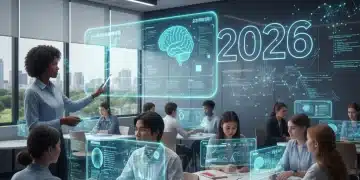
U.S. high schools must prioritize teaching essential digital literacy skills, encompassing critical thinking, data analysis, and cybersecurity, to prepare students effectively for the evolving workforce demands of 2025 and beyond.
The landscape of education is rapidly transforming, and nowhere is this more evident than in the urgent need for robust digital literacy skills. As U.S. high school students prepare to enter a workforce by 2025 and beyond, equipping them with essential competencies is not just an advantage; it’s a necessity for success in an increasingly digital world. This article delves into the critical skills vital for tomorrow’s professionals.
Defining digital literacy for the 21st-century workforce
Digital literacy goes far beyond simply knowing how to use a computer or navigate the internet. It encompasses a comprehensive set of abilities that allow individuals to find, evaluate, create, and communicate information effectively, ethically, and safely in a digital environment. For high school students, this foundational understanding is the bedrock upon which all future professional development will rest.
In the context of the evolving workforce, digital literacy means students can adapt to new technologies, understand the implications of their online actions, and use digital tools to solve complex problems. It’s about empowering them to be proactive participants, rather than passive consumers, in the digital economy. This broad definition ensures that education transcends mere technical proficiency, fostering a deeper, more adaptable skill set.
Beyond basic computer skills: what’s truly essential?
- Critical evaluation of digital content: Discerning credible sources from misinformation is paramount.
- Effective digital communication: Crafting professional emails, collaborating on documents, and presenting ideas virtually.
- Data privacy and security awareness: Understanding online risks and protecting personal and organizational data.
- Digital problem-solving: Using technology to identify and resolve issues efficiently.
Ultimately, a robust definition of digital literacy for high school students must be forward-looking, anticipating technological shifts and preparing them for roles that may not even exist yet. It’s about cultivating a mindset of continuous learning and digital adaptability, ensuring they remain relevant and competitive.
The imperative for integrating digital literacy into curricula
The traditional curriculum, while foundational, often falls short in preparing students for the rapid technological shifts impacting the modern workforce. Integrating digital literacy is no longer an optional add-on but a core educational imperative. This integration must be systemic, spanning across all subjects, not just confined to computer science classes.
By embedding digital literacy throughout the curriculum, students can see the practical application of these skills in various contexts, from researching historical events to analyzing scientific data or creating digital art. This interdisciplinary approach makes learning more engaging and relevant, demonstrating how technology intersects with every aspect of their academic and future professional lives.
Strategies for effective curriculum integration
Effective integration requires more than just providing devices. It demands thoughtful pedagogical approaches that challenge students to use digital tools for higher-order thinking. Teachers need professional development to confidently incorporate these skills into their lessons, moving beyond basic usage to foster genuine digital fluency.
- Project-based learning: Engaging students in projects that require digital research, collaboration, and presentation.
- Digital citizenship modules: Teaching responsible online behavior, ethical use of information, and digital footprint management.
- Coding and computational thinking: Introducing basic programming concepts to develop logical reasoning and problem-solving.
- Media literacy workshops: Analyzing and deconstructing various forms of digital media to understand their influence.
The goal is to create a learning environment where digital tools are natural extensions of the learning process, enabling students to explore, create, and innovate with confidence and competence. This holistic integration ensures that digital literacy becomes an inherent part of their educational journey.
Essential digital skills for the 2025 workforce and beyond
As we look towards 2025 and beyond, certain digital skills stand out as non-negotiable for entering the workforce. These are not merely technical proficiencies but rather cognitive abilities amplified by digital tools. Employers are increasingly seeking candidates who can navigate complex digital environments, extract meaningful insights from data, and secure digital assets.
The demand for these skills crosses all industries, from healthcare and finance to manufacturing and creative arts. Students who master these competencies will possess a significant competitive advantage, demonstrating their readiness to contribute immediately to a digitally driven economy. This preparation goes beyond theoretical knowledge, emphasizing practical application.
Key skills in demand
Understanding and applying these skills is crucial. High schools have a responsibility to not only teach them but also provide opportunities for students to practice and refine them in authentic scenarios.
- Data literacy and analysis: The ability to collect, interpret, and communicate insights from data.
- Cybersecurity fundamentals: Basic understanding of threats, protective measures, and secure online practices.
- Digital collaboration and project management: Utilizing tools like shared documents, project management software, and virtual meeting platforms.
- AI literacy: Understanding what AI is, its capabilities, limitations, and ethical implications.
These skills are interconnected; for instance, data analysis often requires strong digital collaboration, and both necessitate a solid understanding of cybersecurity. High schools must design curricula that reflect these interdependencies, offering a comprehensive and integrated learning experience.
Challenges and opportunities in implementation
Implementing a comprehensive digital literacy curriculum in U.S. high schools presents both significant challenges and exciting opportunities. Resource constraints, teacher training, and the rapid pace of technological change are formidable hurdles. However, overcoming these challenges can unlock immense potential for student success and national competitiveness.
One of the primary challenges is ensuring equitable access to technology and high-speed internet for all students, regardless of their socioeconomic background. The digital divide remains a significant barrier that must be addressed to provide all students with an equal opportunity to develop essential digital skills. Addressing this requires collaborative efforts from schools, communities, and policymakers.

Navigating the implementation landscape
Despite the obstacles, the opportunities for innovation in teaching and learning are vast. Digital tools can personalize education, provide interactive learning experiences, and connect students with global resources and experts. Embracing these opportunities requires a flexible and forward-thinking approach.
- Teacher professional development: Ongoing training to keep educators abreast of new technologies and pedagogical strategies.
- Funding for technology infrastructure: Investing in reliable hardware, software, and internet access.
- Partnerships with industry: Collaborating with tech companies and local businesses to provide real-world experiences and mentorship.
- Curriculum flexibility: Adapting to new digital tools and trends as they emerge, rather than adhering to rigid, outdated frameworks.
By strategically addressing these challenges and leveraging the available opportunities, U.S. high schools can build robust digital literacy programs that genuinely prepare students for the demands of the future workforce. This proactive approach is crucial for fostering a generation of digitally competent citizens.
The role of educators and policy makers
The successful integration of digital literacy into high school education hinges significantly on the concerted efforts of educators and policymakers. Educators are on the front lines, tasked with translating curriculum goals into engaging classroom experiences. Policymakers, on the other hand, set the strategic direction, allocate resources, and create the frameworks that enable effective implementation.
For educators, this means not only mastering new technologies themselves but also developing innovative teaching methods that foster digital critical thinking and creativity. They need to be empowered with continuous professional development and access to the latest educational tools. Their role extends beyond instruction to mentoring students in responsible digital citizenship.
Empowering the educational ecosystem
Policymakers have a crucial role in advocating for and securing the necessary funding, establishing clear standards for digital literacy, and fostering partnerships between schools and the tech industry. Their decisions can either accelerate or hinder the progress of digital literacy education.
- Developing clear digital literacy standards: Providing a consistent framework for what students should know and be able to do.
- Investing in teacher training and support: Ensuring educators are confident and competent in teaching digital skills.
- Funding technology infrastructure: Bridging the digital divide and ensuring equitable access to resources.
- Promoting public awareness: Educating parents and communities about the importance of digital literacy.
Collaboration between these two groups is essential. When educators’ practical insights inform policy decisions, and policies effectively support educators, the entire educational ecosystem benefits, leading to better outcomes for students.
Measuring success and adapting for the future
To ensure that digital literacy education remains effective and relevant, U.S. high schools must establish clear metrics for success and adopt a continuous adaptation strategy. The digital landscape is ever-changing, meaning what is considered a critical skill today might evolve tomorrow. Therefore, assessment and curriculum development must be dynamic processes.
Measuring success involves more than just standardized tests; it requires evaluating students’ ability to apply digital skills in real-world contexts, their capacity for critical thinking about digital information, and their adherence to ethical digital practices. Portfolio assessments, project evaluations, and practical demonstrations can offer a more holistic view of digital competency.
Strategies for continuous improvement
Adaptation for the future means regularly reviewing and updating curricula, investing in emerging technologies, and fostering a culture of innovation within schools. It’s about building a system that is resilient and responsive to technological advancements.
- Formative and summative assessments: Regularly evaluating student progress and program effectiveness.
- Feedback loops with industry: Incorporating insights from employers about the most in-demand digital skills.
- Pilot programs for new technologies: Experimenting with innovative tools and teaching methodologies.
- Research and development in educational technology: Staying informed about trends and best practices in digital learning.
By focusing on both robust measurement and proactive adaptation, U.S. high schools can ensure that their digital literacy programs are not just meeting current needs but are also preparing students for an unpredictable yet exciting digital future. This forward-thinking approach is key to sustained educational excellence.
| Key Skill | Brief Description |
|---|---|
| Critical Evaluation | Ability to discern credible digital information and identify misinformation. |
| Data Literacy | Competence in interpreting, analyzing, and communicating insights from data. |
| Cybersecurity Awareness | Understanding basic online threats and implementing secure digital practices. |
| Digital Collaboration | Proficiency in using digital tools for teamwork and project management. |
Frequently asked questions about digital literacy
Digital literacy for high school students involves the ability to find, evaluate, create, and communicate information using digital technologies effectively, ethically, and safely. It’s about being a responsible and productive participant in the digital world, beyond just basic computer use.
Digital literacy is crucial because nearly every industry relies on technology. Future employees will need to adapt to new tools, analyze data, collaborate remotely, and protect digital assets. Lacking these skills can significantly hinder career opportunities and overall workplace effectiveness.
Schools can integrate it by embedding digital skills across all subjects, not just in dedicated tech classes. This includes project-based learning, digital citizenship modules, and providing continuous professional development for teachers to confidently use and teach digital tools.
By 2025, students will need strong data literacy, cybersecurity fundamentals, digital collaboration skills, and AI literacy. These competencies enable them to navigate complex digital environments, extract insights, work effectively in teams, and understand emerging technologies.
Policymakers are vital for setting standards, allocating funding for technology infrastructure and teacher training, and fostering industry partnerships. Their decisions ensure equitable access, guide curriculum development, and support educators in delivering high-quality digital literacy instruction.
Conclusion
The future success of U.S. high school students in the workforce of 2025 and beyond hinges on a robust foundation of digital literacy. This is not merely about using technology, but understanding its implications, navigating its complexities, and leveraging its power for innovation and problem-solving. By prioritizing critical evaluation, data literacy, cybersecurity awareness, and effective digital collaboration, educators and policymakers can equip the next generation with the essential skills to thrive in an increasingly digital world. The investment in comprehensive digital literacy education today will yield a dynamic, adaptable, and competitive workforce tomorrow, ensuring that American students are not just participants, but leaders, in the global digital economy.