Public Assistance Benefits 2026: SNAP, Housing & Eligibility Updates
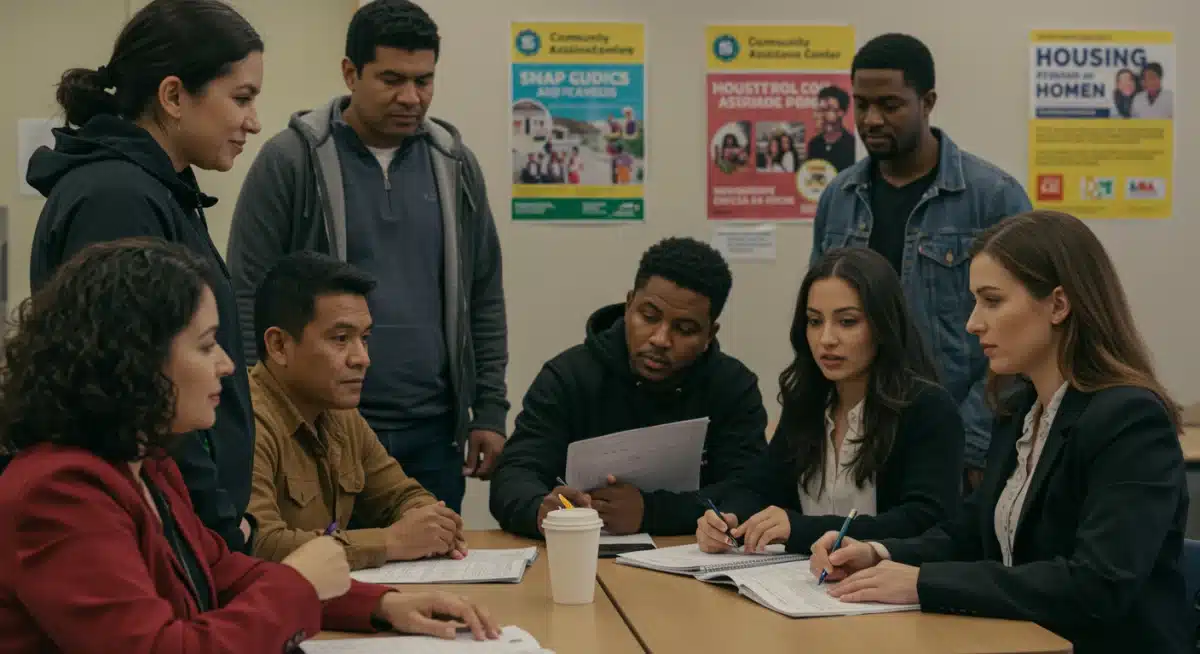
Navigating Public Assistance Benefits in 2026: A Comprehensive Guide to SNAP and Housing Support
As we look ahead to 2026, understanding the landscape of public assistance 2026 programs becomes increasingly vital for millions of Americans. These programs serve as a crucial safety net, providing essential support for food, housing, healthcare, and other basic necessities. With continuous policy adjustments and economic shifts, staying informed about the latest updates to eligibility criteria, application processes, and benefit structures is paramount. This comprehensive guide aims to demystify public assistance benefits for the coming year, with a particular focus on the Supplemental Nutrition Assistance Program (SNAP) and various housing support initiatives.
The federal government, alongside state and local agencies, continually evaluates and modifies these programs to address evolving societal needs and economic realities. Therefore, what might have been true for public assistance last year could see significant changes by 2026. Our goal is to provide a clear, detailed overview that empowers individuals and families to confidently navigate the system and access the resources they need. From understanding income thresholds to identifying necessary documentation, this article will be your go-to resource for all things related to public assistance 2026.
Understanding the Core of Public Assistance Programs
Public assistance programs are designed to help individuals and families facing economic hardship. They encompass a broad spectrum of aid, including financial assistance, food security programs, housing subsidies, healthcare, and childcare support. These programs are not merely handouts; they are investments in the well-being and stability of communities, aiming to alleviate poverty and promote self-sufficiency. For 2026, the fundamental principles remain the same, but the specifics of how these principles are applied—especially regarding eligibility and benefit levels—are subject to review and potential modification.
The Evolution of Public Assistance
Historically, public assistance has evolved from rudimentary charitable efforts to a complex web of federally mandated and state-administered programs. Each program has its own legislative basis, funding mechanisms, and administrative rules. This evolution reflects changing societal attitudes towards poverty, economic theory, and the role of government in social welfare. Anticipated changes for 2026 might stem from new legislative priorities, economic forecasts, or adjustments based on program performance reviews from previous years. It’s crucial for beneficiaries and advocates alike to monitor these developments closely, as they directly impact access to and the scope of public assistance 2026.
Who Benefits from Public Assistance?
Millions of Americans rely on public assistance to meet their basic needs. This includes low-income families, seniors, individuals with disabilities, unemployed workers, and veterans. The demographic profile of beneficiaries is diverse, underscoring the widespread need for these programs. The aim is to provide a safety net that prevents individuals from falling into deeper poverty and offers a pathway to greater economic stability. As we delve into the specifics of public assistance 2026, we will explore how these programs are tailored to address the unique challenges faced by different segments of the population.
SNAP Benefits in 2026: What to Expect
The Supplemental Nutrition Assistance Program (SNAP), formerly known as food stamps, is arguably one of the most critical components of public assistance 2026. It provides vital food assistance to low-income individuals and families, enabling them to purchase healthy and nutritious food. For 2026, several aspects of SNAP are worth examining, including potential changes to benefit amounts, eligibility requirements, and application procedures.
SNAP Eligibility Criteria for 2026
Eligibility for SNAP is primarily determined by household income and resources. Generally, households must meet gross and net income limits, which are adjusted annually based on federal poverty levels. These adjustments are critical, as they dictate who qualifies for assistance. For 2026, it is anticipated that these income thresholds will be updated to reflect inflation and the cost of living. Households with elderly or disabled members often have slightly higher income limits or different resource tests. Residency status also plays a role, with most states requiring applicants to be U.S. citizens or qualified non-citizens.
Beyond income, asset limits also apply, although certain assets like a home and most retirement savings are typically excluded. Understanding these nuances is key to determining eligibility. States also have discretion in some areas, meaning specific rules can vary by location. It’s advisable to check your state’s specific SNAP guidelines as 2026 approaches.
Calculating SNAP Benefit Amounts
The amount of SNAP benefits a household receives depends on its size, income, and certain expenses, such as housing and utilities. The maximum benefit amounts are updated annually, usually effective October 1st, to align with the federal fiscal year. These updates are based on the Thrifty Food Plan, a national standard for a nutritious diet at a minimal cost. For 2026, beneficiaries should be prepared for potential adjustments to these maximum benefit levels. Any changes will directly impact the purchasing power of SNAP recipients, making it a critical aspect of public assistance 2026 to monitor.
It’s important to remember that SNAP benefits are designed to supplement a household’s food budget, not to cover all food expenses. The calculation aims to fill the gap between a household’s net income and 30% of the maximum allowable income for their household size. This formula ensures that those with lower incomes receive higher benefits, reflecting their greater need.
Applying for SNAP in 2026
The application process for SNAP typically involves submitting an application to your state’s SNAP agency, followed by an interview and verification of information. Most states offer online applications, making the process more accessible. Required documentation usually includes proof of identity, residency, income, and expenses. For 2026, the general process is expected to remain similar, but there might be minor procedural updates or enhanced digital services in some states. Timely submission of all required documents is crucial to avoid delays in receiving benefits.
Many states also offer expedited SNAP benefits for households with very low income and few resources, ensuring that those in immediate need receive assistance quickly. If you believe you qualify for expedited benefits, make sure to inquire about this option during your application. Staying organized with your documents and being proactive in your application will streamline the process for public assistance 2026.
Housing Support Updates for 2026
Beyond food security, stable housing is a fundamental human need, and housing support programs form another cornerstone of public assistance 2026. These programs aim to make housing affordable for low-income individuals and families, preventing homelessness and promoting neighborhood stability. Key programs include Section 8 Housing Choice Vouchers, Public Housing, and various state and local rental assistance initiatives.
Section 8 Housing Choice Vouchers in 2026
The Section 8 Housing Choice Voucher program is the federal government’s primary program for assisting very low-income families, the elderly, and people with disabilities to afford decent, safe, and sanitary housing in the private market. For 2026, the demand for these vouchers is expected to remain high, often leading to long waiting lists. While the core structure of the program is unlikely to change drastically, funding levels and administrative priorities could see adjustments.
Eligibility for Section 8 is based on gross income, which must not exceed 50% of the median income for the county or metropolitan area in which the family chooses to live. By law, 75% of new vouchers issued each year must go to families whose incomes do not exceed 30% of the area median income. These income limits are updated annually, so applicants for public assistance 2026 should check the latest figures for their specific location.
The voucher allows families to choose any housing that meets the program’s requirements and is not limited to units located in subsidized housing projects. The housing authority pays a portion of the rent directly to the landlord on behalf of the family, and the family pays the difference. The family’s contribution is typically capped at 30% of their adjusted monthly income.
Public Housing Programs
Public Housing provides affordable rental homes for low-income families, the elderly, and persons with disabilities. These units are owned and managed by local public housing agencies (PHAs). Similar to Section 8, eligibility is based on income and family size, with income limits set by HUD based on area median income. For 2026, the availability of public housing units will continue to be a significant challenge in many areas, underscoring the importance of early application and understanding local PHA policies.
Residents in public housing typically pay 30% of their adjusted gross income for rent and utilities. PHAs regularly inspect units to ensure they meet quality standards and provide a safe living environment. Any anticipated changes for 2026 might involve modernization efforts, new construction initiatives in certain areas, or adjustments to tenant screening processes.
Other Rental and Homelessness Prevention Assistance
In addition to federal programs, many states and localities offer their own rental assistance programs, often funded through federal block grants like the Community Development Block Grant (CDBG) or the HOME Investment Partnerships Program. These programs can offer short-term rental assistance, security deposit assistance, or homelessness prevention services. For 2026, it’s possible that some of these programs may receive increased funding or new directives, especially in areas experiencing significant housing crises.
The Emergency Rental Assistance Program (ERAP), which provided substantial aid during the COVID-19 pandemic, has largely concluded, but some states and localities may have residual funds or have established similar permanent programs. Keeping an eye on local government announcements will be vital for those seeking housing-related public assistance 2026 beyond federal programs.
Eligibility and Application Process for 2026: General Guidelines
While specific eligibility criteria vary by program and state, some general guidelines apply across most public assistance 2026 programs. Understanding these overarching principles can help streamline the application process and increase your chances of approval.
Common Eligibility Factors
- Income Limits: This is typically the most significant factor. Most programs have gross and/or net income thresholds based on the Federal Poverty Level (FPL) or Area Median Income (AMI), adjusted for household size. These limits are subject to annual review and updates for 2026.
- Household Size: The number of people in your household directly impacts income and resource limits, as well as benefit calculations.
- Residency: Applicants usually need to reside in the state or county where they apply. Citizenship or qualified non-citizen status is also a common requirement for federal programs.
- Assets/Resources: While some programs have strict asset limits, others, like SNAP, have more lenient rules, often excluding primary residences and certain retirement accounts.
- Work Requirements: Some programs, particularly for able-bodied adults without dependents (ABAWDs) in SNAP, may have work or work training requirements. These requirements can be subject to waivers or changes based on economic conditions or legislative action.
- Specific Needs: Eligibility for certain programs may depend on specific needs, such as having young children, being elderly, having a disability, or experiencing homelessness.
Preparing Your Application for 2026
Regardless of the specific program, a well-prepared application is essential. Here’s a general checklist of documents and information you might need for public assistance 2026:
- Proof of Identity: Driver’s license, state ID, birth certificate, passport.
- Proof of Residency: Utility bill, rental agreement, mail with your current address.
- Proof of Income: Pay stubs, tax returns, employer statements, benefit award letters (e.g., Social Security, unemployment).
- Proof of Resources/Assets: Bank statements, titles to vehicles (if applicable), statements for other countable assets.
- Household Information: Social Security numbers for all household members, birth dates, relationship to head of household.
- Expense Documentation: Rent/mortgage statements, utility bills, childcare costs, medical expenses (for certain programs), child support payments.
- Immigration Status: If applicable, documentation of qualified non-citizen status.
Many agencies now offer online portals for applications and document submission, which can expedite the process. However, be prepared for an interview, either in person or over the phone, to clarify information and verify details. Honesty and thoroughness in your application are paramount.
Anticipated Policy Changes and Economic Impacts on Public Assistance 2026
The landscape of public assistance 2026 is not static. It is continually shaped by legislative actions, economic trends, and social priorities. Understanding these potential shifts is crucial for both current and prospective beneficiaries.
Legislative and Funding Outlook
Federal budget cycles and legislative debates often influence the funding and structure of public assistance programs. As 2026 approaches, discussions around the national debt, inflation, and social spending could lead to changes. For example, there might be renewed calls for stricter work requirements, or conversely, efforts to expand eligibility and benefit levels in response to economic downturns or persistent poverty rates. Advocacy groups play a significant role in shaping these discussions, pushing for policies that protect and expand the safety net.
States also have considerable autonomy in administering many federal programs and can introduce their own initiatives. It’s plausible that some states might experiment with new models of assistance or modify existing ones to better suit their local populations. Keeping an eye on state legislative sessions and budget proposals will be important.
The Impact of Inflation and Cost of Living
Inflation directly impacts the purchasing power of benefits. If benefit amounts for SNAP or housing assistance do not keep pace with rising costs of food, rent, and utilities, beneficiaries effectively receive less support. While many programs have built-in annual adjustments (like the Thrifty Food Plan for SNAP), these might not always fully offset rapid inflationary pressures. This could be a significant challenge for public assistance 2026 recipients, making budgeting even more critical.
The cost of living varies dramatically across different regions of the country. While federal programs aim to account for this through area median income adjustments, local economic conditions can still create disparities in the effectiveness of aid. Policymakers will likely continue to grapple with how to best tailor national programs to diverse local needs.
Technological Advancements and Accessibility
The increasing reliance on technology for application processes, benefit delivery (e.g., EBT cards), and information dissemination is a continuing trend. For 2026, we might see further enhancements in digital platforms, making it easier for people to apply and manage their benefits. However, this also raises concerns about digital divides, ensuring that individuals without reliable internet access or digital literacy are not left behind. Agencies will need to balance technological efficiency with accessible, human-centered support.

Maximizing Your Public Assistance Benefits in 2026
Once approved for public assistance 2026, understanding how to best utilize your benefits is crucial. This involves not only smart budgeting but also being aware of additional resources and opportunities.
Effective Use of SNAP Benefits
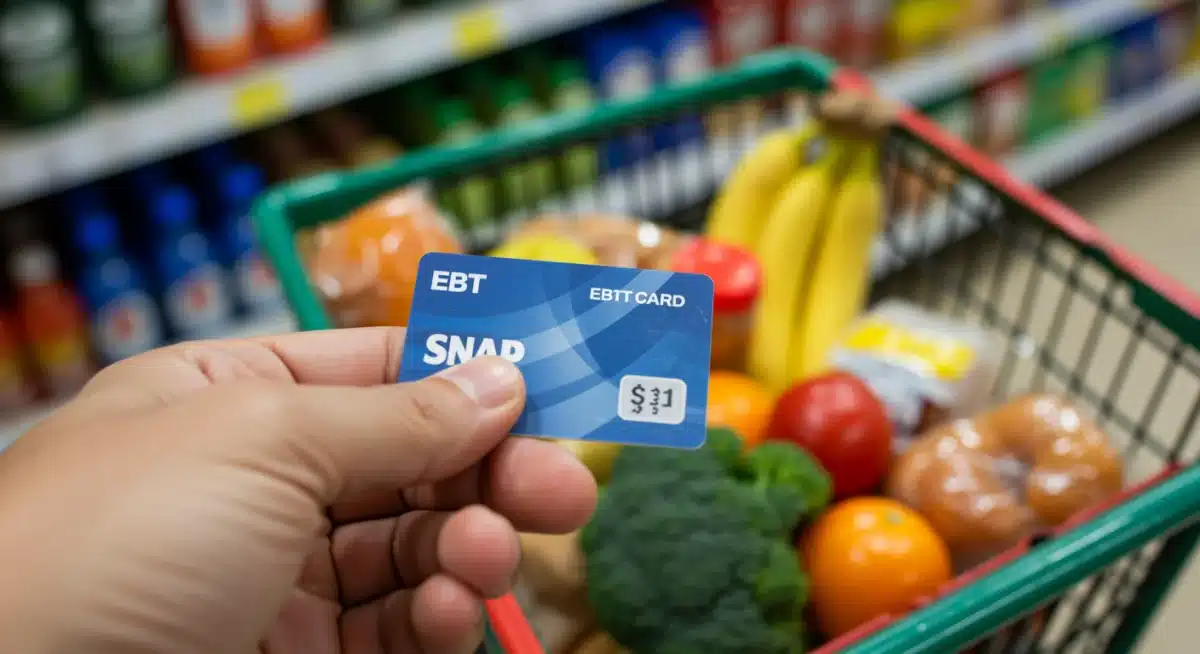
SNAP benefits are loaded onto an Electronic Benefit Transfer (EBT) card, which works like a debit card at authorized grocery stores and farmers’ markets. To maximize your SNAP benefits:
- Plan Meals: Create weekly meal plans to make the most of your budget and reduce food waste.
- Shop Smart: Look for sales, use coupons, and buy generic brands.
- Utilize Farmers’ Markets: Many farmers’ markets offer programs that match SNAP dollars, effectively doubling your purchasing power for fresh produce.
- Cook at Home: Preparing meals at home is generally more cost-effective and healthier than eating out.
- Explore Nutrition Education: Many states offer free nutrition education programs for SNAP recipients, providing valuable tips on healthy eating and budgeting.
Navigating Housing Support
- Understand Your Lease: Be fully aware of your rights and responsibilities as a tenant.
- Maintain Your Home: Keep your rental unit clean and report any maintenance issues promptly to your landlord or housing authority.
- Communicate Changes: Report any changes in income, household size, or other relevant circumstances to your housing authority immediately, as these can affect your rent portion or eligibility.
- Seek Counseling: Housing counseling agencies can provide valuable advice on budgeting, tenant rights, and even pathways to homeownership.
Connecting with Additional Resources
Public assistance often extends beyond SNAP and housing. Many communities offer a wealth of additional resources that can complement your benefits:
- Food Banks and Pantries: These are excellent resources for supplemental food, especially if your SNAP benefits don’t fully cover your needs.
- WIC (Special Supplemental Nutrition Program for Women, Infants, and Children): Provides food, healthcare referrals, and nutrition education for low-income pregnant women, new mothers, and young children.
- Medicaid/CHIP: Offers affordable health insurance for low-income individuals and families.
- LIHEAP (Low Income Home Energy Assistance Program): Helps with heating and cooling costs.
- Job Training and Employment Services: Many agencies offer programs to help beneficiaries gain new skills and find stable employment, fostering long-term self-sufficiency.
Addressing Challenges and Common Misconceptions
Despite their critical role, public assistance programs often face scrutiny and are subject to various misconceptions. It’s important to address these to foster a more accurate understanding of public assistance 2026.
The Stigma of Receiving Aid
Many individuals feel a sense of shame or stigma when applying for or receiving public assistance. It’s vital to remember that these programs are designed to help during times of need and that seeking assistance is a sign of resilience, not weakness. Economic hardship can affect anyone, and these programs provide a necessary safety net. Efforts continue to destigmatize aid, emphasizing support and opportunity.
Work Requirements and Self-Sufficiency
A common misconception is that public assistance discourages work. In reality, many programs have work requirements or encourage employment through various incentives and support services. The ultimate goal of most public assistance programs is to help individuals achieve self-sufficiency. For public assistance 2026, expect continued emphasis on connecting beneficiaries with job training and employment opportunities.
Program Integrity and Fraud Prevention
Concerns about fraud are often raised. While instances of fraud do occur, they represent a very small percentage of overall benefits distributed. Agencies have robust systems in place to prevent and detect fraud, including verification processes, data matching, and penalties for misuse. These measures ensure that resources are directed to those who genuinely need them.
Future Outlook for Public Assistance 2026 and Beyond
The future of public assistance 2026 will undoubtedly be shaped by ongoing economic conditions, demographic shifts, and policy debates. As the population ages, the demand for programs supporting seniors will likely increase. Similarly, shifts in the job market may necessitate new approaches to workforce development and unemployment assistance.
Advocates for social welfare programs continue to push for reforms that simplify access, increase benefit adequacy, and reduce administrative burdens. Discussions around universal basic income (UBI) or expanded child tax credits could also influence the broader public assistance landscape in the long term, potentially offering new models of support. The conversation around whether to focus on broad-based, unconditional aid versus targeted, conditional programs will continue to evolve.
For individuals and families, remaining informed, proactive, and connected to community resources will be key to navigating the complex world of public assistance. The information provided in this guide serves as a starting point, but always verify details with your local and state agencies as 2026 unfolds.
Conclusion
Public assistance programs, including SNAP and various housing supports, are indispensable lifelines for millions of Americans. As we prepare for 2026, understanding the potential changes to eligibility, benefit calculations, and application processes is crucial. This comprehensive guide has aimed to provide a detailed overview, empowering you with the knowledge to access the support you need.
Remember to regularly check official government websites for the most up-to-date information specific to your state and locality, as policies and guidelines for public assistance 2026 can vary. By staying informed and proactive, you can effectively navigate the system and ensure you and your family receive the vital assistance available to achieve greater stability and well-being.