2026 Benefits Landscape: Expanding Mental Health Support in Companies

The 2026 Benefits Landscape: How 15% of Companies Are Expanding Mental Health Support for Employees
The corporate world is in a constant state of evolution, and nowhere is this more evident than in the realm of employee benefits. As we look towards 2026, a significant and commendable trend is emerging: a substantial increase in companies prioritizing and expanding their mental health support for employees. This shift is not merely a fleeting trend but a fundamental re-evaluation of what constitutes a comprehensive and compassionate benefits package. This article delves deep into the 2026 benefits landscape, exploring the drivers behind this change, the types of expanded support being offered, and the profound implications for both employees and organizations.
The Shifting Paradigm: Why Employee Mental Health is Now a Priority
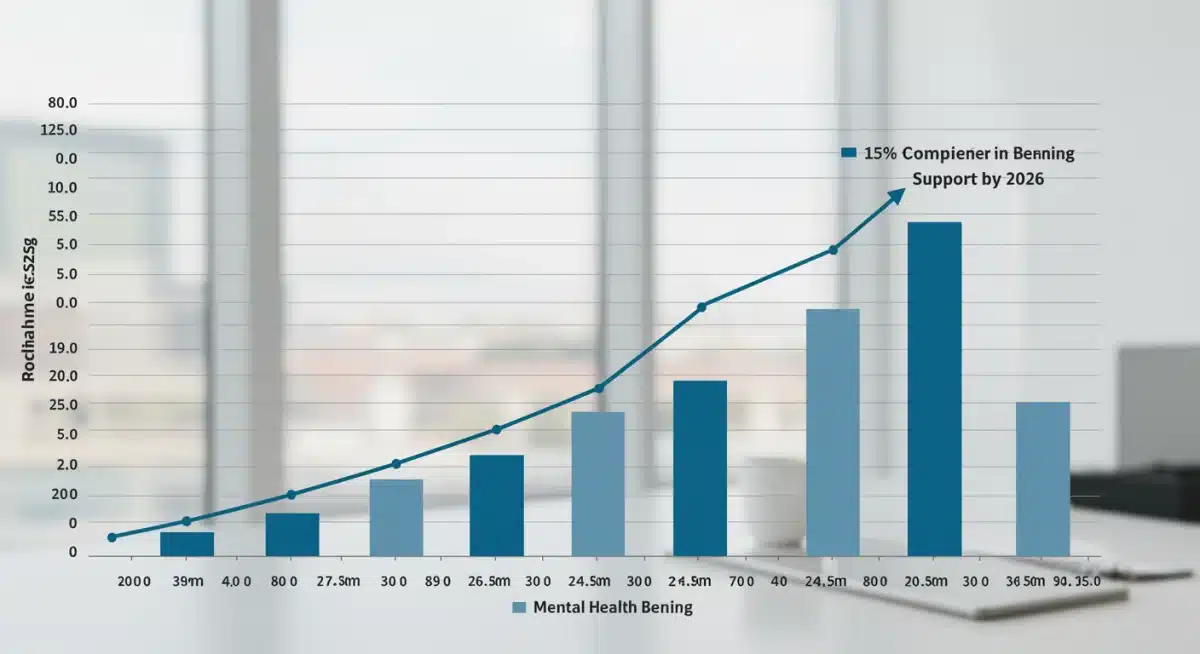
For decades, traditional employee benefits primarily focused on physical health, retirement plans, and financial security. While these remain crucial, the understanding of overall well-being has broadened significantly. The COVID-19 pandemic, with its unprecedented levels of stress, isolation, and uncertainty, served as a stark accelerator, bringing the critical importance of mental health to the forefront of corporate consciousness. Companies are now recognizing that a healthy workforce is not just physically sound, but also mentally resilient and emotionally supported. This recognition is translating into tangible action, with an impressive 15% of companies projected to significantly expand their mental health support offerings by 2026.
The Economic Imperative of Prioritizing Employee Mental Health
Beyond the moral imperative, there’s a clear economic case for investing in employee mental health. Untreated mental health conditions can lead to decreased productivity, increased absenteeism, higher turnover rates, and a less engaged workforce. The World Health Organization estimates that depression and anxiety disorders cost the global economy US$ 1 trillion each year in lost productivity. Conversely, studies have shown that for every $1 invested in treatment for common mental disorders, there is a return of $4 in improved health and productivity. This compelling data is a key driver for organizations to move beyond basic Employee Assistance Programs (EAPs) and embrace more comprehensive and proactive mental health strategies. The focus on employee mental health is no longer a ‘nice-to-have’ but a ‘must-have’ for sustainable business success.
Societal and Generational Influences on Mental Health Benefits
The increasing openness around mental health in society, particularly among younger generations entering the workforce, is also playing a pivotal role. Millennials and Gen Z employees are more likely to discuss mental health challenges and expect their employers to provide robust support. This generational shift is pushing organizations to adapt their benefits packages to meet the evolving expectations of their talent pool. Companies that fail to address mental health comprehensively risk falling behind in the war for talent, as prospective employees increasingly view mental health support as a non-negotiable aspect of a desirable workplace.
Key Trends in Expanded Mental Health Support for 2026
The expansion of employee mental health support isn’t a one-size-fits-all approach. Instead, it encompasses a diverse range of initiatives, tailored to meet the varied needs of a modern workforce. By 2026, we anticipate several key trends to dominate this evolving landscape.
Telehealth and Digital Mental Health Platforms
The advent and widespread adoption of telehealth have revolutionized access to mental healthcare. Companies are increasingly integrating virtual therapy, counseling, and psychiatric services into their benefits packages. These platforms offer convenience, privacy, and flexibility, removing many traditional barriers to accessing care, such as geographical limitations or scheduling conflicts. Digital mental health apps, offering everything from mindfulness exercises and meditation guides to cognitive behavioral therapy (CBT) programs, are also becoming standard offerings, providing employees with tools for self-management and early intervention.
Enhanced Employee Assistance Programs (EAPs)
While EAPs have been around for a while, their scope and effectiveness are being significantly upgraded. The new generation of EAPs offers more robust, personalized, and easily accessible services. This includes a wider network of qualified therapists, shorter waiting times, and proactive outreach programs. Many EAPs are also expanding to include financial counseling, legal advice, and work-life balance resources, recognizing the interconnectedness of various aspects of well-being that can impact mental health.
Mental Health Training and Education
Beyond direct treatment, companies are investing in preventative measures through comprehensive mental health training and education programs. This includes training for managers to identify signs of distress in their teams, fostering a supportive work environment, and equipping employees with stress management techniques and resilience-building skills. Reducing the stigma associated with mental health through open discussions and educational campaigns is also a critical component of this trend, creating a culture where employees feel safe to seek help.
Integrated Care Models
The future of employee mental health support lies in integrated care models, where mental health services are seamlessly connected with physical health, financial wellness, and other benefit offerings. This holistic approach recognizes that an individual’s well-being is multifaceted and that challenges in one area can significantly impact others. By integrating care, companies can provide a more coordinated and effective support system, ensuring that employees receive comprehensive care that addresses all their needs.
The Impact of Expanded Employee Mental Health Support
The benefits of expanding employee mental health support extend far beyond individual well-being, creating a ripple effect that positively impacts the entire organization.
Improved Employee Engagement and Productivity
When employees feel supported and valued, their engagement naturally increases. Addressing mental health concerns can significantly reduce presenteeism (being at work but not productive due to health issues) and absenteeism. Employees who are mentally well are more focused, creative, and resilient, leading to higher productivity and better overall performance. This direct link between well-being and output underscores the strategic importance of investing in employee mental health.
Reduced Turnover and Enhanced Talent Attraction
In today’s competitive job market, companies that prioritize employee well-being, especially mental health, have a distinct advantage in attracting and retaining top talent. Prospective employees are increasingly scrutinizing benefits packages, and robust mental health support can be a decisive factor. Furthermore, a supportive work environment reduces employee burnout and stress, leading to lower turnover rates and the retention of valuable institutional knowledge and experience. This creates a virtuous cycle where a positive culture fosters loyalty and makes the organization more attractive to new hires.
Stronger Company Culture and Reduced Stigma
By openly addressing and supporting mental health, companies contribute to building a more compassionate, understanding, and inclusive culture. This helps to break down the stigma often associated with mental health challenges, encouraging employees to seek help without fear of judgment. A culture that prioritizes well-being fosters psychological safety, where employees feel comfortable being themselves and expressing their needs, leading to stronger team cohesion and a more positive work environment.
Challenges and Considerations for Implementing Expanded Support
While the trend towards expanded employee mental health support is overwhelmingly positive, organizations must navigate certain challenges to ensure their initiatives are effective and sustainable.
Ensuring Accessibility and Utilization
Offering mental health benefits is only the first step; ensuring that employees are aware of these resources and feel comfortable utilizing them is crucial. This requires clear communication, ongoing education, and a commitment to destigmatizing mental health. Companies must actively promote their offerings and create an environment where seeking help is seen as a strength, not a weakness.
Measuring Effectiveness and ROI
To justify continued investment, organizations need to effectively measure the impact and return on investment (ROI) of their mental health programs. This can involve tracking metrics such as EAP utilization rates, reported stress levels, productivity improvements, and turnover rates. Gathering feedback from employees through surveys and focus groups is also vital for understanding what works well and where improvements can be made.

Addressing Diverse Needs
The workforce is incredibly diverse, with varying mental health needs and preferences. A comprehensive mental health strategy must consider cultural differences, socio-economic factors, and individual circumstances. This might involve offering a range of therapeutic approaches, culturally competent providers, and resources available in multiple languages. A one-size-fits-all approach is unlikely to be truly effective in supporting a diverse employee base.
Data Privacy and Confidentiality
When dealing with sensitive mental health information, maintaining strict data privacy and confidentiality is paramount. Employees must trust that their personal health information will be handled with the utmost discretion and that seeking help will not negatively impact their career. Organizations must implement robust data security measures and clearly communicate their privacy policies to build and maintain this trust.
Strategies for Companies to Expand Mental Health Support by 2026
For companies looking to join the 15% leading the charge in expanded employee mental health support, here are actionable strategies:
Conduct a Comprehensive Needs Assessment
Before implementing new programs, understand your employees’ current mental health needs and existing gaps in support. Utilize surveys, focus groups, and anonymous feedback channels to gather insights. Analyze existing claims data (while maintaining privacy) to identify prevalent issues.
Invest in a Multi-faceted Approach
Avoid relying on a single solution. A truly effective strategy combines various elements: robust EAPs, telehealth options, access to in-person therapy, mindfulness resources, and proactive educational programs. Consider partnerships with specialized mental health providers to offer a wider range of services.
Train Leaders and Managers
Equip managers with the skills to recognize signs of mental distress, engage in supportive conversations, and direct employees to appropriate resources. Training should focus on empathy, active listening, and understanding boundaries, ensuring managers are supportive without becoming therapists themselves.
Foster a Culture of Openness and Support
Leadership must champion mental health initiatives and openly discuss their importance. Encourage dialogue, share personal stories (where appropriate and comfortable), and celebrate successes in mental well-being programs. Actively work to dismantle stigma through internal communications and awareness campaigns.
Review and Update Policies
Ensure company policies support mental well-being. This includes flexible work arrangements, reasonable accommodations for mental health conditions, and clear guidelines on taking mental health days. Policies should reflect a commitment to employee holistic well-being.
Regularly Evaluate and Adapt
The mental health landscape and employee needs are dynamic. Regularly evaluate the effectiveness of your programs through feedback, utilization rates, and outcomes data. Be prepared to adapt and evolve your offerings based on these insights to ensure they remain relevant and impactful.
The Future is Here: A Proactive Approach to Well-being
The movement towards significantly expanded employee mental health support is a testament to a growing understanding of human capital and the intricate link between well-being and organizational success. By 2026, the 15% of companies leading this charge will not only be offering a more humane and compassionate workplace but will also be building more resilient, productive, and engaged teams. This proactive approach to employee mental health is not just about mitigating risks; it’s about fostering an environment where every individual can thrive, contributing their best while maintaining their personal well-being. The future of work is undoubtedly one where mental health is a core pillar of corporate strategy, and companies that embrace this reality will be the ones that prosper in the years to come.
The integration of comprehensive mental health benefits into the core of employee offerings represents a pivotal moment in corporate responsibility. It signals a shift from reactive measures to proactive care, recognizing that investing in the mental health of employees is an investment in the long-term health and success of the entire organization. As we move closer to 2026, the blueprint for a truly supportive and high-performing workplace is becoming clearer, with employee mental health firmly at its foundation.