Beyond the Textbook: Practical Solutions for Integrating Project-Based Learning into U.S. Classrooms to Boost Engagement by 15% in 2026
In an increasingly dynamic and interconnected world, the traditional model of education, heavily reliant on rote memorization and standardized testing, often falls short in preparing students for the complexities of modern life. Educators across the United States are continually seeking innovative approaches to ignite curiosity, foster critical thinking, and, most importantly, boost student engagement. One pedagogical strategy that has consistently demonstrated its efficacy in achieving these goals is project-based learning (PBL). This article delves into practical solutions for integrating project-based learning into U.S. classrooms, with an ambitious yet achievable target: to boost student engagement by 15% by 2026.
The imperative to enhance student engagement is not merely an academic ideal; it is a critical necessity. Engaged students are more likely to attend school regularly, participate actively in class, achieve higher academic outcomes, and develop essential socio-emotional skills. Disengagement, conversely, can lead to decreased motivation, behavioral issues, and a higher likelihood of dropping out. Project-based learning, by its very nature, addresses many of the root causes of disengagement, offering a compelling alternative to conventional teaching methods.
This comprehensive guide will explore the foundational principles of project-based learning, outline its myriad benefits, and provide a step-by-step framework for successful implementation within diverse U.S. educational settings. We will examine common challenges and offer actionable strategies to overcome them, ensuring that educators are well-equipped to transform their classrooms into vibrant hubs of inquiry and discovery. By embracing project-based learning, we can empower a new generation of learners, fostering not just knowledge acquisition, but also the vital skills of problem-solving, collaboration, and critical thinking necessary for future success.
What is Project-Based Learning (PBL)?
At its core, project-based learning is an instructional approach where students learn by actively engaging in real-world and personally meaningful projects. Unlike traditional assignments that might involve a series of isolated tasks, PBL centers around a driving question or problem that students investigate, research, and ultimately solve or address through a sustained, in-depth inquiry process. The outcome is typically a tangible product, presentation, or performance that demonstrates their learning and understanding.
Key Characteristics of Effective Project-Based Learning:
- Challenging Problem or Question: Projects begin with a compelling, open-ended question or problem that requires more than a simple recall of facts. This question drives student inquiry and exploration.
- Sustained Inquiry: Students engage in a rigorous, extended process of asking questions, finding resources, and applying information. This is not a one-day activity but often spans weeks.
- Authenticity: Projects are designed to be relevant to students’ lives and the real world. This could involve solving a community issue, designing a new product, or investigating a historical event from multiple perspectives.
- Student Voice and Choice: Students have a degree of control over their learning, including what they learn, how they learn it, and how they demonstrate their understanding. This fosters ownership and intrinsic motivation.
- Critique and Revision: Students receive feedback on their work from peers, teachers, and sometimes even community members, and use this feedback to revise and improve their projects. This iterative process is crucial for deep learning.
- Public Product: Projects culminate in a public presentation or display of their work to an audience beyond the classroom. This provides a sense of purpose and accountability.
- 21st Century Skills: PBL inherently integrates the development of critical thinking, problem-solving, collaboration, communication, and creativity – skills essential for success in the modern workforce.
The shift from traditional teaching to project-based learning is not merely a change in activity; it’s a fundamental shift in pedagogy. It moves the teacher from being the sole dispenser of knowledge to a facilitator, mentor, and guide, empowering students to take greater responsibility for their own learning journey. This active, student-centered approach is precisely what is needed to boost engagement in U.S. classrooms.
The Transformative Benefits of Project-Based Learning for Engagement
The impact of project-based learning on student engagement is profound and multifaceted. By moving beyond passive reception of information, PBL transforms the learning experience into an active, meaningful, and often exciting endeavor. Here’s how it significantly boosts engagement:
Increased Relevance and Motivation:
- Real-World Connections: When students work on projects that address real-world problems or scenarios, they immediately see the relevance of their learning. This intrinsic connection to their lives and communities makes the learning process more meaningful and motivating.
- Personal Ownership: PBL often allows for student choice in project topics, research methods, and final products. This sense of ownership and autonomy fuels motivation, as students are more invested in something they have helped shape.
- Purposeful Learning: Instead of learning facts in isolation, students acquire knowledge and skills to achieve a specific, tangible goal. This purpose-driven learning is inherently more engaging than traditional textbook assignments.
Fostering Deeper Learning and Skill Development:
- Critical Thinking and Problem-Solving: Projects require students to analyze complex situations, identify problems, research solutions, and evaluate outcomes. This active cognitive process is deeply engaging and develops higher-order thinking skills.
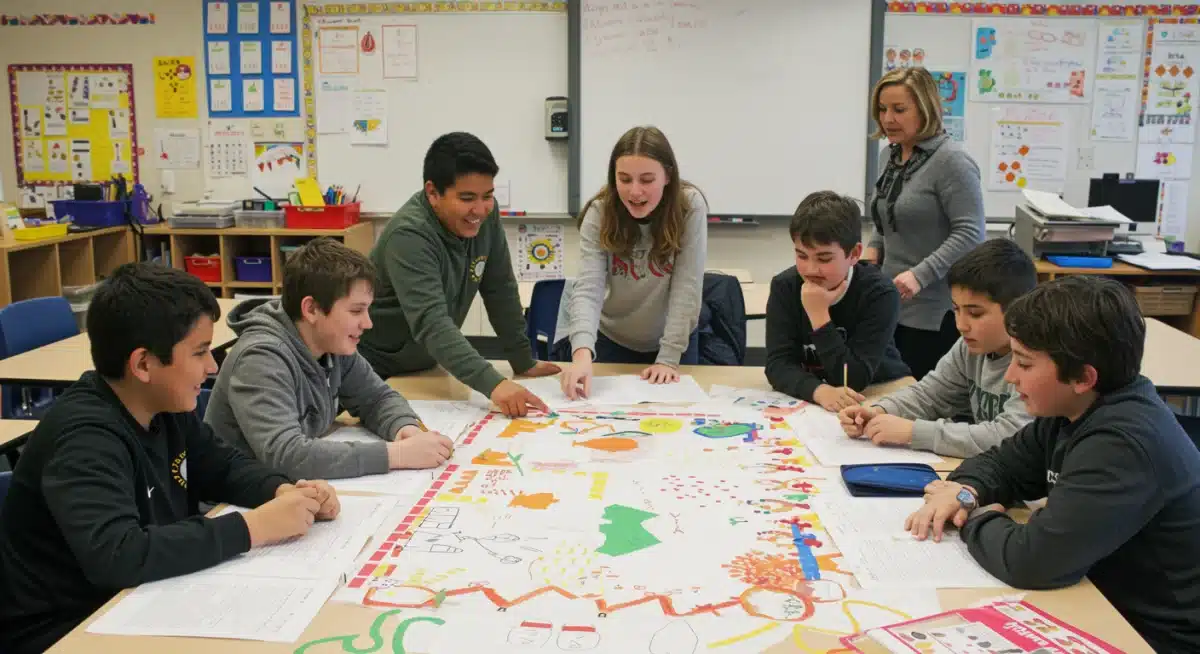
- Collaboration and Communication: Many PBL projects are collaborative, requiring students to work in teams, negotiate ideas, divide tasks, and communicate effectively. These interpersonal skills are crucial for future success and make learning a social, interactive experience.
- Creativity and Innovation: PBL encourages students to think outside the box, experiment with different approaches, and develop innovative solutions. The opportunity to be creative is a powerful engagement driver.
- Resilience and Self-Direction: As students navigate the challenges of a project, they learn to overcome obstacles, manage their time, and take initiative. This builds resilience and fosters self-directed learning, which are vital for lifelong engagement.
Addressing Diverse Learning Styles:
- Multiple Pathways to Learning: PBL accommodates various learning styles by incorporating visual, auditory, kinesthetic, and reading/writing activities. Students can engage with content in ways that best suit their strengths.
- Differentiated Instruction: Projects can be designed with multiple entry points and opportunities for differentiation, allowing all students, regardless of their academic level or background, to participate meaningfully and feel successful.
Research consistently supports the positive impact of project-based learning on student engagement. A study by the Buck Institute for Education (BIE), now PBLWorks, found that students in PBL environments show increased motivation, improved collaboration skills, and deeper understanding of content. By systematically integrating these practices, U.S. classrooms can realistically aim for a 15% boost in student engagement by 2026, creating a more dynamic and effective learning environment for all.
Practical Solutions for Integrating Project-Based Learning
Successfully integrating project-based learning into U.S. classrooms requires careful planning, professional development, and a supportive school culture. Here are practical solutions and actionable steps for educators and administrators:
1. Start Small and Build Momentum:
- Pilot Projects: Don’t feel pressured to transform your entire curriculum overnight. Begin with one or two well-designed pilot projects in a single subject or grade level. This allows for learning and refinement before broader implementation.
- Collaborate with Colleagues: Find a fellow educator who is interested in PBL. Collaborating on project design, resource gathering, and troubleshooting can significantly reduce the initial burden and provide mutual support.
- Adapt Existing Units: Look for opportunities to transform existing curriculum units into project-based ones. For example, a research paper on local history could become a project to create a historical walking tour or a documentary.
2. Professional Development and Training:
- PBL Workshops: Invest in high-quality professional development workshops specifically focused on project-based learning design and facilitation. Organizations like PBLWorks offer excellent resources and training.
- Peer Learning Communities: Establish professional learning communities (PLCs) within schools or districts where teachers can share PBL experiences, co-plan projects, and provide constructive feedback.
- Mentorship Programs: Pair new PBL teachers with experienced ones to provide ongoing support and guidance through the initial implementation phases.
3. Designing Effective PBL Projects:
- Craft Compelling Driving Questions: The success of a project often hinges on a powerful driving question. It should be open-ended, thought-provoking, and relevant to students’ lives. (e.g., “How can we reduce plastic waste in our community?” instead of “What are the effects of plastic pollution?”)
- Backward Design: Begin by identifying the desired learning outcomes and standards. Then, design the project activities and assessments that will help students achieve those outcomes.
- Integrate Content and Skills: Ensure that projects are not just fun activities but are deeply rooted in academic content and intentionally develop 21st-century skills like critical thinking, collaboration, and communication.
- Plan for Scaffolding: Break down complex projects into manageable phases with clear checkpoints and opportunities for feedback. Provide resources and mini-lessons as needed to support student learning.
4. Creating a Supportive Classroom Environment:
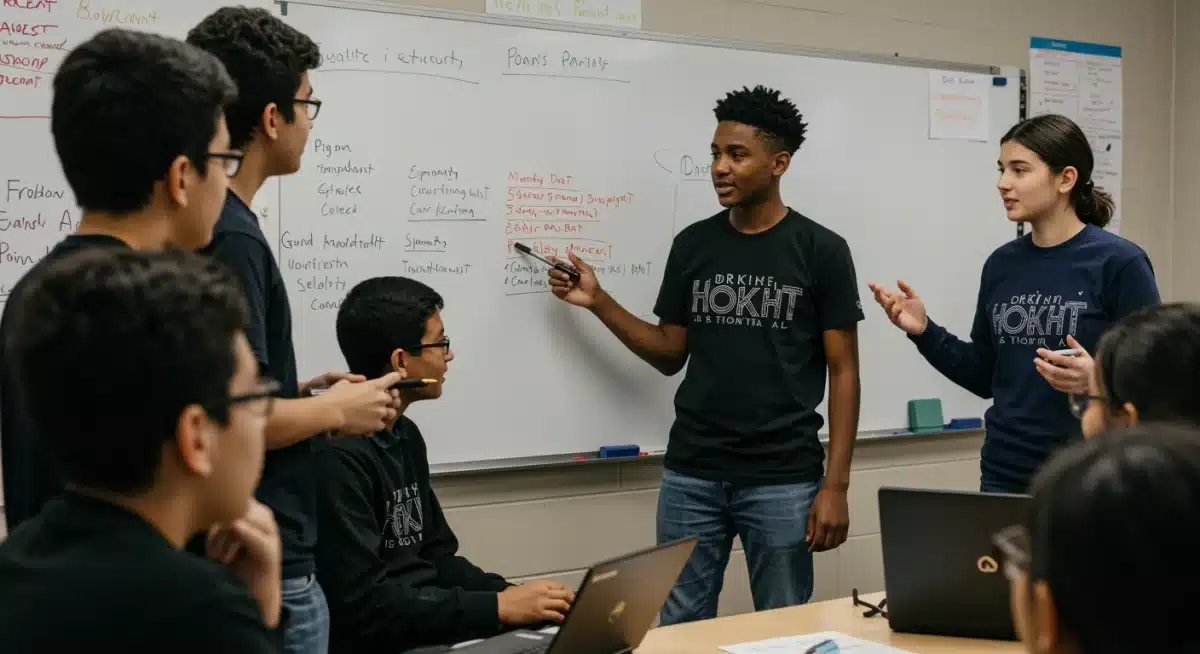
- Foster a Culture of Inquiry: Encourage students to ask questions, explore different perspectives, and embrace productive struggle.
- Promote Collaboration: Teach explicit collaboration skills, establish clear group roles and norms, and provide tools for effective teamwork.
- Provide Authentic Feedback: Move beyond traditional grading. Provide timely, specific, and actionable feedback that helps students revise and improve their work.
- Celebrate Success: Create opportunities for students to share their completed projects with a wider audience, such as parents, other classes, or community members. This public exhibition provides a powerful sense of accomplishment.
5. Leveraging Technology and Resources:
- Digital Tools: Utilize online collaboration platforms (e.g., Google Workspace, Microsoft Teams), research databases, multimedia creation tools (e.g., Canva, Adobe Express), and presentation software to enhance project work.
- Community Partnerships: Connect with local businesses, non-profits, experts, and community leaders who can serve as guest speakers, mentors, or provide real-world contexts for projects.
- Open Educational Resources (OER): Explore free and openly licensed educational materials that can support project development and student research.
By systematically implementing these practical solutions, U.S. educators can effectively integrate project-based learning, transforming their classrooms into dynamic learning environments where student engagement flourishes. The journey requires commitment and adaptability, but the rewards in terms of student growth and achievement are immeasurable.
Addressing Common Challenges in PBL Implementation
While the benefits of project-based learning are clear, implementing it effectively can present several challenges. Anticipating and addressing these obstacles proactively is crucial for successful integration and sustained student engagement.
1. Time Constraints and Curriculum Demands:
- Solution: Strategic Curriculum Mapping: Instead of viewing PBL as an add-on, integrate it directly into the curriculum. Map out how projects can cover multiple standards and subjects, making the learning more efficient and interconnected.
- Solution: Phased Integration: As mentioned, beginning with smaller, well-defined projects allows teachers to gradually build their capacity and confidence without feeling overwhelmed by a complete curriculum overhaul.
- Solution: Rethink Time Allocation: Consider block scheduling or interdisciplinary planning to create larger chunks of time for project work, moving away from rigid 45-minute periods.
2. Assessment and Grading:
- Solution: Rubrics and Checklists: Develop clear, comprehensive rubrics that assess not only the final product but also the process, including collaboration, critical thinking, research skills, and communication.
- Solution: Formative Assessment: Integrate frequent formative assessments throughout the project lifecycle (e.g., peer feedback sessions, progress checks, self-reflection journals) to monitor student learning and provide timely support.
- Solution: Portfolio Assessment: Encourage students to compile portfolios of their work, showcasing their learning journey and growth over time, rather than relying solely on a single final product.
3. Classroom Management and Student Autonomy:
- Solution: Explicit Instruction on Collaboration: Don’t assume students know how to work effectively in groups. Teach explicit social and collaborative skills, including conflict resolution, active listening, and equitable participation.
- Solution: Structured Independence: While PBL promotes autonomy, it doesn’t mean a free-for-all. Provide clear project guidelines, expectations, and regular check-ins to ensure students stay on track.
- Solution: Flexible Grouping: Allow for flexible grouping strategies, sometimes letting students choose groups, other times assigning them strategically to promote diverse skill sets and perspectives.
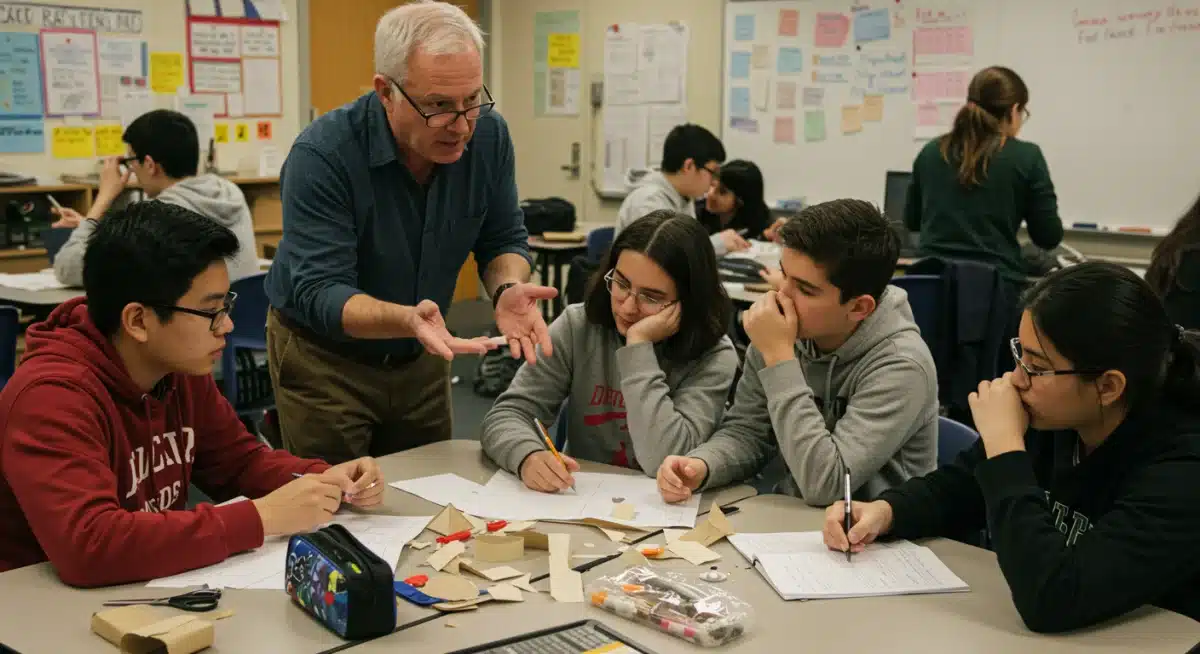
4. Access to Resources and Technology:
- Solution: Creative Resourcefulness: Many projects can be accomplished with minimal resources. Encourage students to use recycled materials, local experts, and open-source information.
- Solution: Community Partnerships: Forge relationships with local libraries, universities, museums, and businesses that can offer resources, expertise, or even project venues.
- Solution: Grant Writing: Schools can explore grant opportunities specifically designed to fund innovative educational practices and technology integration.
5. Teacher Mindset and Comfort Zone:
- Solution: Embrace the Facilitator Role: Teachers need to shift from being the ‘sage on the stage’ to the ‘guide on the side.’ This requires comfort with ambiguity and a willingness to let students lead their learning.
- Solution: Continuous Learning: Engage in ongoing professional development and reflection. Connect with other PBL practitioners to share best practices and challenges.
- Solution: Celebrate Small Wins: Acknowledge and celebrate every step of progress, both for students and for teachers in their PBL journey.
By proactively addressing these common challenges with thoughtful planning and a commitment to continuous improvement, U.S. educators can ensure that their project-based learning initiatives are not only successful but also sustainable, leading to a significant and lasting boost in student engagement.
Measuring and Sustaining Increased Engagement
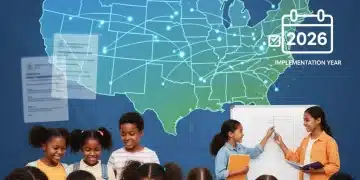
Achieving a 15% boost in student engagement by 2026 through project-based learning is an ambitious goal, and to ensure its realization, it is crucial to establish clear methods for measuring and sustaining this increased engagement. Without robust assessment strategies, it’s challenging to track progress and identify areas for improvement.
Quantitative Measures of Engagement:
- Attendance Rates: Track changes in student attendance. Engaged students are more likely to be present in school.
- Participation in Class: Monitor active participation in discussions, group work, and project-related activities. This can be done through observational checklists or self-assessment.
- Completion Rates of Assignments/Projects: Observe the percentage of students who complete projects on time and to a satisfactory standard.
- Referral Rates for Behavioral Issues: A decrease in disciplinary referrals can often correlate with higher levels of engagement and a more positive classroom environment.
- Survey Data: Administer anonymous student surveys pre- and post-PBL implementation to gauge their perceptions of learning, motivation, and enjoyment. Likert scales can effectively measure changes in these areas.
Qualitative Measures of Engagement:
- Student Interviews and Focus Groups: Conduct one-on-one interviews or small focus group discussions to gather rich, detailed insights into students’ experiences, motivations, and perceived value of PBL.
- Teacher Observations and Anecdotal Records: Teachers are on the front lines and can provide valuable qualitative data through their observations of student curiosity, persistence, collaboration, and enthusiasm during project work.
- Student Reflection Journals: Encourage students to maintain journals where they reflect on their learning process, challenges, successes, and what they found most engaging about the projects.
- Analysis of Project Quality and Depth: Evaluate the depth of inquiry, originality, and problem-solving demonstrated in student projects as an indicator of genuine engagement and understanding.
- Parent/Guardian Feedback: Gather feedback from parents or guardians regarding their child’s attitude towards school, homework, and overall enthusiasm for learning.
Strategies for Sustaining Engagement:
- Continuous Innovation: Avoid stagnation by regularly refreshing project ideas, incorporating new technologies, and responding to current events or student interests.
- Student Voice in Project Design: Involve students in the design process of future projects. When they have a say, they are more invested in the outcomes.
- Showcase Student Work: Regularly provide platforms for students to present their work to diverse audiences, fostering a sense of pride and accomplishment. This could include school-wide exhibitions, community events, or online portfolios.
- Provide Ongoing Professional Development: Ensure that teachers continue to receive support, training, and opportunities to collaborate on PBL development, preventing burnout and keeping skills sharp.
- Foster a School-Wide PBL Culture: Encourage cross-curricular projects and school-wide initiatives that reinforce the values of inquiry, collaboration, and authentic learning.
- Celebrate and Share Successes: Publicly acknowledge the positive impacts of project-based learning on student engagement and achievement within the school community and beyond.
By employing a combination of quantitative and qualitative measures, and by actively implementing strategies for sustained growth, U.S. schools can not only track their progress towards increasing student engagement by 15% by 2026 but also ensure that project-based learning becomes a deeply embedded and valued part of their educational fabric for years to come.
Conclusion: A Future of Engaged Learning Through Project-Based Learning
The journey to transform U.S. classrooms into dynamic, engaging, and relevant learning environments is an ongoing one, but project-based learning offers a powerful and proven pathway forward. By shifting the focus from passive reception to active inquiry, from isolated facts to interconnected knowledge, and from individual competition to collaborative problem-solving, PBL inherently addresses many of the challenges that contribute to student disengagement in traditional educational models.
As we have explored, the benefits of integrating project-based learning are far-reaching. It not only boosts student engagement by fostering relevance, motivation, and personal ownership but also cultivates essential 21st-century skills such as critical thinking, communication, collaboration, and creativity. These are not merely academic buzzwords; they are the competencies that empower students to thrive in an ever-evolving global landscape.
While the implementation of PBL comes with its own set of challenges, including time constraints, assessment complexities, and the need for robust professional development, these are not insurmountable. With practical solutions such as starting small, investing in quality training, designing compelling driving questions, creating supportive classroom environments, and leveraging community resources, educators can effectively navigate these hurdles and build sustainable PBL practices.
The ambitious goal of boosting student engagement by 15% in U.S. classrooms by 2026 is not just a statistical target; it represents a profound commitment to nurturing a generation of learners who are curious, resilient, and passionate about making a difference. By embracing and championing project-based learning, we are not just teaching subjects; we are teaching students how to learn, how to think, and how to contribute meaningfully to their world. The future of education in the United States, vibrant and full of potential, undoubtedly lies beyond the textbook, in the rich, authentic experiences that project-based learning provides.