
The landscape of healthcare in the United States is constantly evolving, with significant reforms often bringing both opportunities and challenges. As we look ahead to 2026, a crucial aspect of this evolution involves the Affordable Care Act (ACA) and its associated subsidies. Understanding the impending changes to ACA subsidies 2026 is not just important for policy experts, but for millions of Americans who rely on these financial aids to access affordable health insurance. This comprehensive guide aims to demystify these complex reforms, offering clarity on what to expect, how they might impact your healthcare costs, and what steps you can take to prepare.
The Affordable Care Act, signed into law in 2010, revolutionized the American healthcare system by expanding access to health insurance coverage. A cornerstone of the ACA’s success has been its provision of financial assistance, known as subsidies, which help individuals and families afford their monthly premiums and out-of-pocket costs. These subsidies have played a vital role in making health insurance accessible to a broader population, particularly those with modest incomes. However, the exact structure and availability of these subsidies are subject to legislative adjustments and economic factors, leading to the significant changes anticipated in 2026.
For many years, the ACA’s subsidies were primarily based on a specific percentage of household income relative to the federal poverty level (FPL). The American Rescue Plan Act (ARPA) of 2021 introduced temporary enhancements to these subsidies, making them more generous and available to a wider range of income earners by eliminating the “subsidy cliff.” These enhancements were later extended, providing a period of increased affordability for many. However, as these temporary measures are set to expire, the healthcare system is bracing for a return to, or a modification of, the pre-ARPA subsidy structure, which will directly influence ACA subsidies 2026.
The implications of these shifts are far-reaching. For some, it could mean higher premiums, increased out-of-pocket expenses, or a reevaluation of their current health plans. For others, particularly those who became newly eligible for subsidies under the temporary expansions, it might mean losing financial assistance altogether. Navigating these changes requires a proactive approach, including staying informed, understanding eligibility criteria, and exploring all available options to maintain comprehensive and affordable health coverage.
This article will delve into the specifics of the ACA subsidies 2026 reforms, examining the legislative backdrop, the potential economic impacts, and practical advice for consumers. Our goal is to empower you with the knowledge needed to make informed decisions about your health insurance in the coming years, ensuring you continue to access the care you need without undue financial burden.
The Evolution of ACA Subsidies: A Historical Perspective Leading to 2026
To truly grasp the significance of the ACA subsidies 2026 changes, it’s essential to understand the historical context of how these subsidies came into being and how they have evolved over time. The Affordable Care Act introduced two primary forms of financial assistance to help individuals and families afford health insurance purchased through the Health Insurance Marketplace:
- Premium Tax Credits (PTCs): These are refundable credits that lower your monthly health insurance premiums. They are paid directly to your insurance company, reducing the amount you have to pay each month.
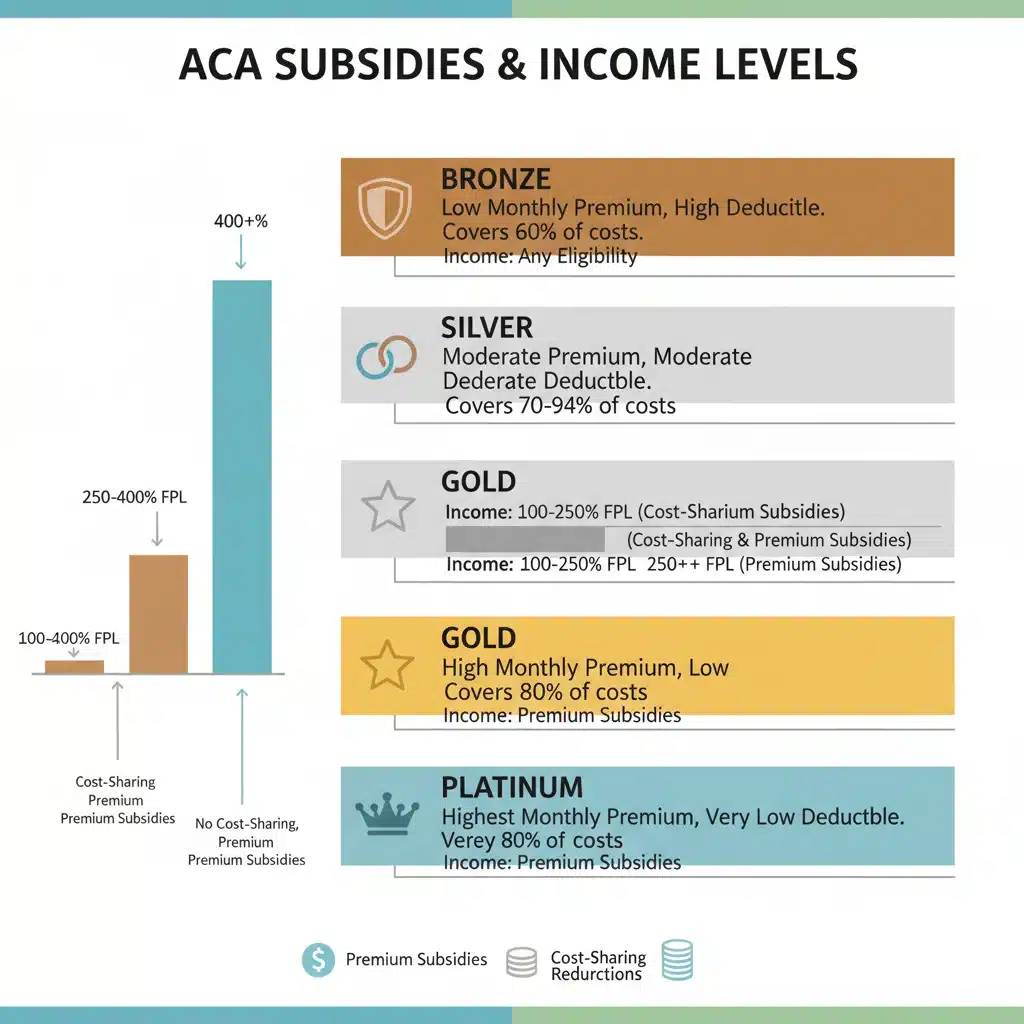
- Cost-Sharing Reductions (CSRs): These reduce the amount you have to pay for deductibles, copayments, and coinsurance. CSRs are only available if you enroll in a Silver-level plan.
Initial ACA Subsidy Structure (Pre-ARPA)
Initially, eligibility for Premium Tax Credits was generally limited to individuals and families with household incomes between 100% and 400% of the Federal Poverty Level (FPL). The amount of the subsidy was calculated on a sliding scale, designed to limit the percentage of income an individual or family had to pay for a benchmark Silver plan. For example, those at 100% FPL might pay around 2% of their income, while those at 400% FPL might pay closer to 9.5%.
A significant characteristic of this initial structure was the “subsidy cliff.” If your income exceeded 400% FPL by even a single dollar, you would lose eligibility for all premium tax credits, potentially facing a dramatic increase in your health insurance costs. This cliff was a major point of contention and a source of financial strain for many middle-income households.
The Impact of the American Rescue Plan Act (ARPA)
The American Rescue Plan Act (ARPA) of 2021 marked a pivotal moment for ACA subsidies. Recognizing the financial hardships exacerbated by the COVID-19 pandemic, ARPA introduced several temporary but significant enhancements:
- Increased Subsidy Amounts: ARPA significantly increased the amount of premium tax credits available, lowering the percentage of income individuals and families had to contribute towards their health insurance premiums across all income levels.
- Elimination of the “Subsidy Cliff”: Perhaps the most impactful change was the temporary elimination of the 400% FPL income cap. This meant that even individuals and families with incomes above 400% FPL could qualify for subsidies if their benchmark plan premiums exceeded 8.5% of their household income. This expansion brought newfound affordability to millions of Americans who were previously ineligible for assistance.
These ARPA enhancements were initially set to expire at the end of 2022. However, the Inflation Reduction Act (IRA) of 2022 extended these enhanced subsidies through the end of 2025, providing a crucial three-year reprieve for many beneficiaries. This extension has allowed millions to maintain affordable coverage and has led to record enrollment numbers in the ACA marketplace.
Looking Ahead to ACA Subsidies 2026
With the ARPA and IRA enhancements scheduled to sunset at the end of 2025, the healthcare system is now confronting the reality of ACA subsidies 2026. Unless further legislative action is taken, the subsidy structure is expected to revert to its pre-ARPA levels. This means:
- Reinstatement of the 400% FPL Cap: The “subsidy cliff” is expected to return, meaning individuals and families with incomes above 400% FPL will likely lose their eligibility for premium tax credits.
- Reduced Subsidy Amounts for Many: Even for those below 400% FPL, the amount of financial assistance will likely decrease, leading to higher monthly premiums.
The potential implications of these changes are substantial. Many individuals who gained access to affordable coverage under the enhanced subsidies may find themselves priced out of the market. This could lead to an increase in the uninsured rate, a reduction in access to care, and significant financial strain for households already struggling with rising costs.
Understanding this historical progression is crucial for comprehending the urgency and potential impact of the ACA subsidies 2026 reforms. It highlights the delicate balance between legislative intent, economic realities, and the fundamental goal of ensuring accessible and affordable healthcare for all Americans.
Understanding the Impending Changes for ACA Subsidies 2026
As the expiration date for the enhanced subsidies approaches, many are asking: What exactly will change for ACA subsidies 2026? The primary shift, as mentioned, is the expected reversion to the pre-ARPA subsidy structure. This will have direct consequences on who qualifies for financial assistance and how much assistance they receive.
Reinstatement of the Income Cap
The most significant change will be the return of the income cap for Premium Tax Credit eligibility. Prior to ARPA, individuals and families earning more than 400% of the Federal Poverty Level (FPL) were ineligible for subsidies. For 2026, this cap is expected to be reinstated. This means that if your household income exceeds this threshold, you will likely lose any premium tax credits you currently receive.
To put this into perspective, for a single individual, 400% FPL in 2023 was approximately $58,320. For a family of four, it was around $120,000. These figures are updated annually, so the exact 400% FPL threshold for 2026 will be slightly higher, but the principle remains the same. Anyone earning above that specific income level will face the full cost of their health insurance premiums without assistance.
Reduced Subsidy Amounts Below 400% FPL
Even for those whose incomes fall below 400% FPL, the amount of subsidy they receive is likely to decrease. The ARPA enhancements lowered the percentage of household income individuals were expected to pay towards their benchmark Silver plan. For example, under ARPA, individuals at 150% FPL paid 0% of their income, and those at 400% FPL paid no more than 8.5%.
When the enhancements expire, these percentages will revert to their pre-ARPA levels. This means:
- Individuals at lower income levels will pay a higher percentage of their income for premiums.
- The maximum percentage of income required for a benchmark plan will increase, potentially making coverage less affordable for many.
This reduction in subsidy amounts will directly translate to higher monthly premium costs for millions of Americans, even those who remain eligible for some form of financial assistance.
Impact on Cost-Sharing Reductions (CSRs)
It’s important to distinguish between Premium Tax Credits and Cost-Sharing Reductions. While Premium Tax Credits help with monthly premiums, CSRs help with out-of-pocket costs like deductibles, copayments, and coinsurance. CSRs are available only to those with incomes up to 250% FPL and only if they enroll in a Silver-level plan.
The ARPA and IRA did not directly alter the eligibility criteria or benefit levels for CSRs. Therefore, the changes anticipated for ACA subsidies 2026 are primarily focused on the premium tax credits. However, if higher premiums cause individuals to drop coverage or choose less comprehensive plans, their overall financial burden for healthcare could still increase significantly, even if their CSR eligibility remains unchanged.
Who Will Be Most Affected?
The groups most likely to be impacted by the ACA subsidies 2026 changes include:
- Middle-Income Households: Those with incomes just above 400% FPL who currently receive subsidies under the ARPA expansion will face the “subsidy cliff” and could see their premiums skyrocket.
- Individuals and Families with Incomes Between 250% and 400% FPL: While still eligible for subsidies, they will likely see a reduction in the amount of financial assistance, leading to higher out-of-pocket premium costs.
- Those Who Chose Higher-Tier Plans: Some individuals may have opted for Gold or Platinum plans under the enhanced subsidies, as the cost difference was less significant. With reduced subsidies, these plans might become prohibitively expensive, forcing a downgrade to less comprehensive coverage.
It’s crucial for everyone currently receiving or potentially eligible for ACA subsidies to re-evaluate their financial situation and health insurance needs as 2026 approaches. The impending changes underscore the importance of proactive planning and understanding the nuances of the new policy landscape.
Economic and Social Impacts of ACA Subsidies 2026
The adjustments to ACA subsidies are not merely administrative changes; they carry significant economic and social implications for individuals, families, and the broader healthcare system. Understanding these potential impacts is crucial for policymakers and consumers alike.
Increased Uninsured Rates
One of the most immediate concerns is a potential increase in the uninsured rate. When subsidies are reduced or eliminated for certain income groups, health insurance can become unaffordable. Individuals and families who previously relied on these subsidies to access coverage may opt to go without insurance, facing the risks of unexpected medical bills and limited access to preventive care. This reversal could undermine years of progress made in expanding health insurance coverage under the ACA.
Higher Out-of-Pocket Costs for Many
For those who maintain coverage, the expiration of enhanced subsidies means higher out-of-pocket costs. Monthly premiums will likely increase, placing additional financial strain on household budgets. This could force families to make difficult choices, such as cutting back on other essential expenses or foregoing necessary medical care. The financial burden could be particularly acute for middle-income households who lose all subsidy eligibility due to the return of the 400% FPL cliff.
Impact on Health Outcomes and Access to Care
Reduced affordability and increased uninsured rates can have direct consequences on public health. When people lack insurance or face high out-of-pocket costs, they are less likely to seek preventive care, manage chronic conditions, or get early treatment for illnesses. This can lead to worsening health outcomes, increased emergency room visits for preventable conditions, and a greater strain on public health resources in the long run.
Marketplace Dynamics and Plan Choices
The changes in ACA subsidies 2026 could also influence the dynamics of the Health Insurance Marketplace. Insurers might see shifts in enrollment patterns, with potential decreases in demand for higher-tier plans (Gold and Platinum) as consumers gravitate towards more affordable Bronze or Silver options to keep premiums manageable. This could affect the overall risk pool and potentially lead to further premium adjustments in subsequent years.
Furthermore, the increased financial burden might lead some individuals to choose plans with higher deductibles and copayments, which, while having lower monthly premiums, expose them to greater financial risk in the event of illness or injury. This trade-off between premium cost and out-of-pocket exposure will become a more critical consideration for consumers.
Political and Legislative Landscape
The impending changes to ACA subsidies 2026 are likely to reignite political debates surrounding healthcare reform. Advocates for universal healthcare and affordable access will undoubtedly push for further legislative action to extend or make the enhanced subsidies permanent. The economic and social impacts will serve as powerful arguments in these discussions, highlighting the human cost of reduced financial assistance.
However, any new legislative efforts would face significant political hurdles, requiring bipartisan consensus or a shift in the political landscape. The outcome of these debates will ultimately determine the long-term trajectory of ACA subsidies and their role in the American healthcare system.
In summary, the ACA subsidies 2026 changes are not just about numbers on a spreadsheet; they represent real impacts on people’s lives. From increased financial stress to potential health consequences, the ripple effects will be felt across the nation, underscoring the critical importance of staying informed and advocating for policies that promote affordable and accessible healthcare.
Preparing for ACA Subsidies 2026: Practical Steps for Consumers
Given the significant changes anticipated for ACA subsidies, proactive preparation is essential for individuals and families. By taking certain steps now, you can mitigate the potential financial impact and ensure you maintain appropriate health coverage. Here’s a guide to practical actions you can take:
1. Understand Your Current Subsidy Eligibility and Amount
The first step is to clearly understand your current situation. Review your existing health insurance plan and the subsidy amount you are receiving. Your plan documents or your Health Insurance Marketplace account should provide this information. Knowing your current benefits will give you a baseline for comparison once the new rules for ACA subsidies 2026 take effect.
2. Project Your Income for 2026
Since subsidies are income-dependent, estimating your household income for 2026 is crucial. Consider any anticipated changes in employment, salary, or household composition. This projection will help you determine if you might fall above the 400% FPL threshold or if your income changes will significantly alter your subsidy amount.
Remember that the Federal Poverty Level (FPL) figures are updated annually. While the exact FPL for 2026 won’t be available until early 2026, you can use current FPL charts as a general guide and factor in a slight increase for future years.
3. Explore All Available Health Insurance Options
As 2026 approaches, it will be more important than ever to thoroughly explore all available health insurance options, both on and off the marketplace.
- Health Insurance Marketplace: Even if you anticipate losing some or all of your subsidies, the Marketplace still offers a range of plans, and you might find a suitable option. Pay close attention during the Open Enrollment Period, which typically runs from November 1st to January 15th each year.
- Employer-Sponsored Coverage: If you or a family member has access to employer-sponsored health insurance, re-evaluate its cost and benefits. For some, this might become a more attractive option if marketplace subsidies diminish.
- Medicaid/CHIP: If your income is very low, you might qualify for Medicaid or the Children’s Health Insurance Program (CHIP). Eligibility for these programs is not directly tied to ACA subsidies and provides comprehensive coverage at little to no cost.
- Private Plans (Off-Marketplace): You can also purchase health insurance directly from an insurer outside of the marketplace. However, these plans are not eligible for ACA subsidies.
- Short-Term, Limited-Duration Plans: Be cautious with these plans. While often cheaper, they offer limited benefits, do not cover pre-existing conditions, and are not subject to ACA consumer protections. They are generally not recommended as a primary form of coverage.
4. Seek Assistance from Navigators and Certified Enrollers
The Health Insurance Marketplace provides free assistance from navigators and certified application counselors. These individuals are trained to help you understand your options, compare plans, and apply for coverage and financial assistance. They can be invaluable resources in navigating the complexities of ACA subsidies 2026 and finding the best plan for your needs.

5. Consider Your Health Needs and Budget
When selecting a plan, balance your health needs with your budget. If you anticipate frequent doctor visits or require specific medications, a plan with lower deductibles and out-of-pocket maximums (like a Gold or Silver plan) might be more cost-effective in the long run, even if it has higher premiums. If you are generally healthy and prefer lower monthly costs, a Bronze plan might be suitable, but be aware of higher out-of-pocket expenses if you do need care.
6. Advocate for Policy Changes
If you are concerned about the impact of the ACA subsidies 2026 changes, consider engaging with your elected officials. Expressing your concerns and advocating for the extension or permanence of enhanced subsidies can contribute to ongoing legislative discussions. Public opinion often plays a role in shaping health policy decisions.
7. Stay Informed
The legislative landscape can change rapidly. Stay updated on any new announcements or legislative actions regarding ACA subsidies. Follow reputable news sources, government health websites (like HealthCare.gov), and advocacy organizations that focus on healthcare policy.
By taking these proactive steps, you can equip yourself to face the changes in ACA subsidies 2026 with confidence, ensuring you and your family continue to have access to the quality healthcare you deserve.
The Future of ACA Subsidies and Healthcare Reform
The impending changes to ACA subsidies are a stark reminder that healthcare policy is a dynamic and often contentious area of public discourse. While the current trajectory points towards a reversion to pre-ARPA subsidy levels, the future is not entirely set in stone. The debate over healthcare affordability and access is ongoing, and various stakeholders are actively working to shape the future of the ACA and its financial assistance programs.
Potential Legislative Actions
There is significant political pressure from consumer advocacy groups, healthcare organizations, and a segment of lawmakers to either extend the enhanced subsidies indefinitely or make them permanent. Arguments for such actions often center on:
- Maintaining Affordability: Preventing millions from losing affordable coverage.
- Reducing Uninsured Rates: Continuing the progress made in expanding coverage.
- Economic Stability: Ensuring that healthcare costs do not become an insurmountable burden for middle-income families.
However, any legislative effort to extend or make the subsidies permanent would require overcoming significant political and fiscal hurdles. The cost of these subsidies is substantial, and finding a bipartisan agreement on funding and policy specifics can be challenging in a divided political climate. The outcome of future elections and shifts in congressional power could play a decisive role in whether further legislative action is taken before or after the 2026 deadline.
The Role of State-Based Marketplaces
Some states operate their own health insurance marketplaces, and a few have taken steps to implement their own subsidy programs or extend some of the ARPA-like benefits at the state level. While these state-specific initiatives cannot fully offset federal changes, they can provide an additional layer of protection for residents in those states. It’s worth researching whether your state has any such programs in place or under consideration as part of preparing for ACA subsidies 2026.
Broader Healthcare Reform Discussions
Beyond the immediate question of ACA subsidies, the impending changes also feed into broader discussions about the future of healthcare reform in the US. These discussions include:
- Public Option: Proposals for a government-run health insurance option that would compete with private plans, potentially offering more affordable choices.
- Medicare for All: More ambitious proposals for a single-payer healthcare system.
- Market-Based Solutions: Arguments for increasing competition among private insurers and reducing regulations to lower costs.
- Prescription Drug Costs: Ongoing efforts to control the rising costs of prescription medications, which significantly impact overall healthcare expenditures.
The outcome of the ACA subsidies 2026 debate could influence the momentum behind these larger reform efforts. If a significant number of people lose coverage or face severe financial hardship, it could create renewed urgency for more fundamental changes to the healthcare system.
The Importance of Advocacy and Engagement
For consumers, healthcare providers, and advocacy groups, continued engagement and advocacy will be crucial. Voicing concerns to elected officials, participating in public forums, and supporting organizations that champion affordable healthcare can help keep the issue at the forefront of policy discussions. The collective impact of individual stories and organized advocacy can sometimes shift political priorities and lead to legislative action.
In conclusion, while the path for ACA subsidies 2026 appears challenging, the story is not yet fully written. The coming years will be critical in determining whether the temporary enhancements to the Affordable Care Act become a permanent fixture or whether the system reverts to a less generous structure. Staying informed, preparing proactively, and engaging in the public discourse are the best ways to navigate this evolving landscape and advocate for a healthcare system that serves the needs of all Americans.
Conclusion: Navigating the Future of ACA Subsidies 2026
The anticipated changes to ACA subsidies 2026 represent a critical juncture for the American healthcare system. For over a decade, the Affordable Care Act has been a cornerstone of efforts to expand health insurance coverage, and its subsidies have played an indispensable role in making that coverage affordable for millions. The temporary enhancements introduced by the American Rescue Plan Act and extended by the Inflation Reduction Act provided a period of unprecedented affordability and access, significantly reducing the uninsured rate and easing financial burdens for many households.
As these enhanced subsidies are set to expire at the end of 2025, the landscape for ACA subsidies 2026 is poised for a significant shift. The expected return of the 400% FPL income cap and the reduction in subsidy amounts for those below that threshold will undoubtedly impact millions of Americans. Middle-income families, in particular, face the prospect of a “subsidy cliff,” potentially leading to substantial increases in their health insurance premiums. This could result in higher uninsured rates, increased financial strain, and a potential decline in health outcomes as individuals may defer necessary medical care.
However, understanding these changes is the first step towards effective preparation. We’ve outlined practical steps consumers can take, including projecting future income, exploring all available health insurance options – from employer-sponsored plans to Medicaid/CHIP – and utilizing the free assistance offered by navigators and certified enrollers. Proactive engagement during the Open Enrollment Period will be more crucial than ever to ensure continuous and affordable coverage.
Beyond individual preparation, the discussion surrounding ACA subsidies 2026 will undoubtedly fuel broader debates on healthcare reform. The economic and social implications of these changes will likely prompt renewed calls for legislative action to either extend the enhanced subsidies or implement more fundamental reforms to ensure that healthcare remains accessible and affordable for all Americans. The political will and bipartisan cooperation required for such actions will be key determinants of the future trajectory of the ACA.
In conclusion, while the path ahead for ACA subsidies 2026 presents challenges, it also underscores the enduring importance of a robust and equitable healthcare system. By staying informed, planning strategically, and advocating for policies that prioritize health and financial well-being, individuals can navigate these changes and contribute to shaping a more secure healthcare future for themselves and their communities. The goal remains clear: to ensure that quality healthcare is not a luxury but a fundamental right accessible to everyone.