
Emergency Savings Benefits for 2026: Explore New Programs Helping Employees Build a 3-Month Financial Safety Net
In an ever-evolving economic landscape, the importance of a robust financial safety net cannot be overstated. For employees across various industries, the ability to withstand unforeseen financial shocks is paramount to their overall well-being and productivity. As we look towards 2026, there’s a significant shift in how employers and policymakers are approaching financial wellness, with a particular focus on enhancing emergency savings benefits. These new programs represent a proactive stride towards empowering employees to build and maintain a critical 3-month financial safety net, offering peace of mind and greater stability.
The concept of emergency savings is not new, but the strategies and support mechanisms are becoming increasingly sophisticated. Historically, individuals were largely left to their own devices to accumulate funds for unexpected expenses. However, recognizing the direct link between employee financial stress and workplace performance, companies and governments are now rolling out innovative initiatives designed to make saving for emergencies more accessible, automated, and incentivized. This comprehensive guide delves into the specifics of these emerging emergency savings benefits for 2026, outlining what employees can expect and how these programs are set to transform personal financial resilience.
The Critical Need for Emergency Savings in Today’s Economy
Before diving into the specifics of the 2026 programs, it’s essential to understand why emergency savings benefits are becoming such a focal point. The past few years have underscored the fragility of financial stability for many households. Unexpected events, ranging from medical emergencies and job loss to car repairs and home maintenance issues, can quickly deplete meager savings, leading to debt, stress, and a cycle of financial instability. Experts generally recommend having at least three to six months’ worth of living expenses saved in an easily accessible account. This buffer serves as a vital shield, preventing individuals from falling into financial hardship when life inevitably throws a curveball.
For employers, the benefits of financially secure employees extend beyond mere altruism. Studies consistently show that financial stress significantly impacts employee productivity, engagement, and even health. Employees grappling with financial worries are more likely to be distracted at work, experience higher rates of absenteeism, and suffer from stress-related health issues. By investing in robust emergency savings benefits, companies can foster a more resilient, focused, and loyal workforce, ultimately contributing to a more stable and productive business environment.
The societal implications are also profound. A populace with greater financial resilience is less reliant on public assistance during crises, contributing to overall economic stability. Governments are increasingly recognizing this, leading to policy discussions and pilot programs aimed at facilitating widespread access to emergency savings tools. The confluence of these factors – individual need, employer benefits, and societal stability – sets the stage for the transformative emergency savings benefits we anticipate in 2026.
Key Pillars of New Emergency Savings Programs for 2026
The upcoming emergency savings benefits for 2026 are not a one-size-fits-all solution but rather a multi-faceted approach addressing various barriers to saving. These programs are characterized by innovation, flexibility, and a deep understanding of behavioral economics. Here are the key pillars:
1. Employer-Sponsored Emergency Savings Accounts (ESAs)
One of the most significant developments is the proliferation of employer-sponsored Emergency Savings Accounts (ESAs). These are distinct from traditional retirement accounts like 401(k)s and are specifically designed for short-term liquidity. The core features of ESAs often include:
- Automatic Payroll Deductions: Employees can elect to have a fixed amount automatically deducted from each paycheck and deposited directly into their ESA. This ‘set it and forget it’ approach leverages behavioral psychology to overcome procrastination and inconsistent saving habits.
- Employer Contributions/Matches: To incentivize participation, many employers are considering or implementing matching contributions, similar to 401(k) plans. A small employer match can significantly boost an employee’s savings power and demonstrate a company’s commitment to their financial well-being.
- Easy Access to Funds: Unlike retirement accounts, ESAs prioritize liquidity. Employees can typically access their funds without penalties for qualified emergencies. This ease of access is crucial for the very purpose of emergency savings.
- Integration with Financial Wellness Platforms: ESAs are often integrated into broader financial wellness platforms, providing employees with educational resources, budgeting tools, and personalized financial advice. This holistic approach helps employees not only save but also manage their finances more effectively.
The introduction of ESAs as a standard workplace benefit is poised to revolutionize how employees build their financial safety net. It removes many of the friction points associated with traditional saving methods, making it simpler and more rewarding to save for unexpected events.
2. Government-Backed Incentives and Tax Breaks
Recognizing the broader economic benefits of a financially resilient workforce, governments are also stepping in with new incentives. For 2026, we anticipate several government-backed initiatives that could indirectly or directly boost emergency savings benefits:
- Tax Credits for Employers: Some proposals suggest tax credits for businesses that offer qualified emergency savings programs to their employees, making it more attractive for companies to implement these benefits.
- Individual Tax Incentives: There may be discussions around tax deductions or credits for individuals who contribute to certified emergency savings accounts, further encouraging personal responsibility in saving.
- Pilot Programs for Low-Income Workers: Targeted pilot programs designed to help low-income individuals build emergency savings, potentially through matched savings programs or direct grants, are also on the horizon. These initiatives aim to address systemic barriers to saving for vulnerable populations.
These governmental interventions, whether through direct incentives or regulatory frameworks, play a crucial role in creating a supportive ecosystem for emergency savings. They signal a collective understanding that financial resilience is a shared responsibility.
3. Integration with Retirement Plans (Sidecar Accounts)
Another innovative approach gaining traction is the concept of ‘sidecar’ emergency savings accounts linked to existing retirement plans. The SECURE 2.0 Act of 2022 laid some groundwork for this, allowing employers to offer non-qualified emergency savings accounts alongside 401(k)s. For 2026, we expect to see wider adoption and refinement of these offerings:
- Seamless Integration: These accounts would allow employees to contribute to both their retirement and emergency savings through a single payroll deduction system, simplifying financial planning.
- Withdrawal Flexibility: Funds in these sidecar accounts would be easily accessible for emergencies, without the penalties typically associated with early withdrawals from retirement plans.
- Automatic Rollover: Once an employee reaches a predetermined emergency savings goal (e.g., $2,500), excess contributions could automatically roll over into their retirement account, fostering long-term wealth building. This mechanism ensures that emergency savings serve their purpose without hindering retirement planning.
This integration streamlines the saving process and helps employees prioritize both immediate financial security and future retirement goals, addressing a common dilemma where short-term needs often derail long-term planning. The development of these hybrid emergency savings benefits demonstrates a sophisticated understanding of how individuals manage their money.
4. Focus on Financial Literacy and Education
Beyond providing the tools, the new emergency savings benefits for 2026 also emphasize the importance of financial literacy. Many programs will include robust educational components to help employees understand:
- The ‘Why’ of Emergency Savings: Explaining the critical importance of a financial buffer and its role in reducing stress and preventing debt.
- Budgeting and Financial Planning: Providing practical tools and workshops to help employees assess their income and expenses, identify savings opportunities, and create a sustainable budget.
- Debt Management Strategies: Offering resources on how to manage existing debt effectively, as high debt can be a significant barrier to building emergency savings.
- Understanding Investment Basics: For those who have built a sufficient emergency fund, guiding them on next steps for growing their wealth responsibly.
This educational emphasis ensures that employees are not just passively participating in a program but are actively engaged in improving their financial knowledge and habits. It’s about empowering them with the skills to make informed financial decisions for life.
The Impact of a 3-Month Financial Safety Net
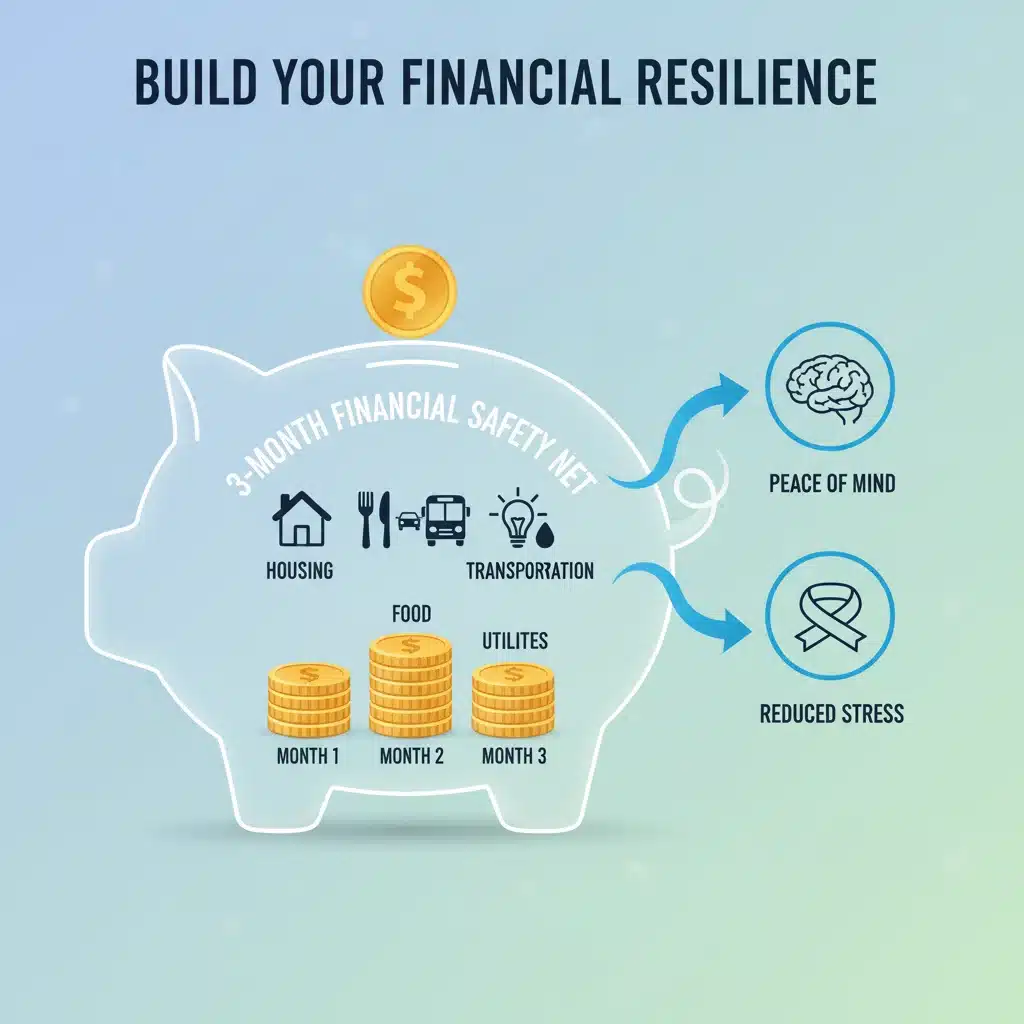
The goal of many of these new emergency savings benefits is to help employees achieve a 3-month financial safety net. This specific target is not arbitrary; it represents a widely accepted benchmark for financial resilience. What does achieving this look like in practice?
- Reduced Financial Stress: Knowing that three months’ worth of expenses are covered significantly reduces anxiety related to unexpected costs or job insecurity. This psychological benefit is invaluable.
- Avoidance of High-Interest Debt: Without emergency savings, individuals often resort to credit cards, payday loans, or other high-interest debt instruments to cover unexpected expenses. A safety net prevents this spiral.
- Greater Career Flexibility: Employees with emergency savings have more freedom to pursue new career opportunities or take time off for personal reasons without immediate financial pressure.
- Improved Mental and Physical Health: The reduction in financial stress has a direct positive impact on mental health, leading to better sleep, fewer stress-related illnesses, and an overall improved quality of life.
- Enhanced Productivity: For employers, a workforce with less financial stress is a more focused, engaged, and productive workforce. This translates to tangible business benefits.
The collective impact of widespread adoption of these emergency savings benefits and the attainment of a 3-month safety net could lead to a more economically stable society, reducing the burden on social safety nets and fostering greater individual autonomy.
Challenges and Considerations for Implementation
While the outlook for emergency savings benefits in 2026 is promising, several challenges and considerations need to be addressed for successful implementation:
1. Employer Buy-in and Cost:
For employer-sponsored programs, the initial investment and ongoing administrative costs can be a barrier, especially for small and medium-sized businesses. Clear demonstrations of ROI (Return on Investment) through improved employee retention, productivity, and reduced healthcare costs will be crucial for widespread adoption. Government incentives and streamlined administrative solutions can help mitigate these costs.
2. Employee Engagement and Awareness:
Even with excellent programs, employees need to be aware of their existence and understand their benefits. Effective communication strategies, personalized onboarding, and ongoing educational campaigns will be vital to encourage participation. The ‘opt-out’ enrollment model, where employees are automatically enrolled unless they choose otherwise, has proven highly effective in boosting participation in retirement plans and could be applied here.
3. Program Design and Flexibility:
Emergency savings needs vary widely among employees. Programs must be flexible enough to accommodate different income levels, financial goals, and life stages. Offering tiered contribution options, personalized savings targets, and clear guidelines for withdrawals will enhance usability and relevance.
4. Regulatory Landscape:
As these programs become more common, the regulatory landscape will need to evolve. Clear guidelines regarding account structure, withdrawal rules, tax implications, and consumer protection will be essential to ensure fairness and prevent misuse. Policymakers will need to strike a balance between encouraging innovation and safeguarding employee interests.

5. Integration with Existing Financial Systems:
Seamless integration with existing payroll systems, HR platforms, and financial wellness tools is critical for ease of administration for employers and ease of use for employees. Technology providers will play a key role in developing robust and user-friendly solutions.
How Employees Can Prepare for New Emergency Savings Benefits
For employees eager to leverage the new emergency savings benefits coming in 2026, proactive steps can make a significant difference:
1. Review Your Current Financial Situation:
Start by understanding your monthly expenses and identifying areas where you can cut back. This will give you a clear picture of how much you need to save for a 3-month safety net and how much you can realistically contribute to a new program.
2. Stay Informed About Employer Offerings:
Keep an eye out for announcements from your HR department or employer regarding new financial wellness programs. Ask questions and attend informational sessions to understand all the available options.
3. Advocate for These Benefits:
If your employer doesn’t currently offer robust emergency savings benefits, consider discussing the advantages with your HR department or management. Highlighting employee interest can often spur companies to explore new offerings.
4. Start Small, Be Consistent:
Even if you can only save a small amount initially, consistency is key. Automatic contributions, even modest ones, add up over time. The new programs are designed to make this easier than ever.
5. Utilize Financial Wellness Resources:
Take advantage of any financial literacy resources, workshops, or counseling services offered by your employer or available through community programs. Knowledge is power when it comes to personal finance.
By taking these steps, employees can position themselves to fully benefit from the enhanced emergency savings benefits that are on the horizon, moving closer to financial security and peace of mind.
The Future of Financial Wellness: Beyond 2026
The introduction of comprehensive emergency savings benefits in 2026 is not an endpoint but rather a significant milestone in the broader evolution of financial wellness. As we look beyond this period, we can anticipate further innovations:
- Personalized Financial Coaching: Leveraging AI and data analytics to provide highly personalized financial advice and coaching, tailored to individual circumstances and goals.
- Integration with Healthcare Benefits: A more seamless connection between financial wellness and physical/mental health benefits, recognizing their interconnectedness.
- Gamification of Saving: Incorporating game-like elements and rewards to make saving more engaging and motivating for employees.
- Focus on Specific Life Events: Programs tailored to help employees save for major life events beyond emergencies, such as homeownership, education, or starting a family.
- Global Standardization: As the workforce becomes more global, standardizing certain financial wellness benefits across international borders to support a diverse employee base.
The shift towards prioritizing financial resilience is a testament to a deeper understanding of employee needs and the broader economic ecosystem. The emergency savings benefits of 2026 are a crucial step in building a more secure and prosperous future for individuals and organizations alike.
Conclusion: A New Era for Employee Financial Security
The year 2026 promises to usher in a new era for employee financial security, driven by a concerted effort from employers, governments, and financial institutions to enhance emergency savings benefits. These innovative programs, ranging from employer-sponsored ESAs and government incentives to integrated retirement plan solutions and robust financial education, are designed to empower employees to build and maintain a vital 3-month financial safety net.
The benefits are far-reaching: reduced financial stress, avoidance of high-interest debt, improved mental and physical health, and enhanced productivity for businesses. While challenges in implementation and engagement will undoubtedly arise, the momentum towards greater financial resilience is undeniable. By staying informed, actively participating in available programs, and advocating for these crucial benefits, employees can take significant strides towards securing their financial future. The landscape of financial wellness is changing for the better, and the emergency savings benefits of 2026 are at the forefront of this positive transformation.