
Understanding the Inflation Reduction Act’s Financial Impact by 2026: A Deep Dive for U.S. Consumers
The Inflation Reduction Act (IRA), signed into law in August 2022, represents a monumental piece of legislation designed to tackle climate change, lower healthcare costs, and address tax fairness. While its immediate effects have been felt in various sectors, many of its most significant provisions are set to fully unfurl and demonstrate their comprehensive impact on U.S. consumers by 2026. Understanding the IRA financial impact is crucial for every American household and individual planning their financial future.
This article will provide a detailed analysis of how the IRA is expected to reshape the financial landscape for U.S. consumers by 2026, touching upon key areas such as energy costs, healthcare expenses, and potential tax implications. We’ll break down the mechanisms through which these changes are projected to occur, offering insights into what you can anticipate and how you might prepare.
The Inflation Reduction Act: A Brief Overview
Before diving into the specifics of the IRA financial impact by 2026, it’s essential to grasp the core pillars of the legislation. The IRA is broadly structured around three main objectives:
- Climate and Clean Energy Investments: This is arguably the largest component, allocating hundreds of billions of dollars towards clean energy production, electric vehicle incentives, energy-efficient home improvements, and climate resilience. The goal is to reduce carbon emissions by approximately 40% by 2030.
- Lowering Healthcare Costs: The act empowers Medicare to negotiate prescription drug prices, caps out-of-pocket prescription drug costs for seniors, and extends Affordable Care Act (ACA) premium subsidies.
- Tax Reform: It includes provisions to ensure large corporations pay a minimum tax, enhances IRS enforcement, and aims to reduce the national deficit.
While the act’s name suggests an immediate reduction in inflation, economists have varied opinions on its short-term effects. However, the long-term projections, particularly by 2026, point to more discernible financial shifts for consumers as these programs mature and take full effect. Our focus here is on the tangible financial benefits and changes consumers can expect.
Projected Impact on Energy Costs and Home Efficiency
One of the most direct ways the IRA aims to put money back into consumers’ pockets is through significant incentives for clean energy and energy efficiency. By 2026, many of these programs will be well-established, offering substantial savings.
Residential Clean Energy and Efficiency Tax Credits
The IRA extends and expands several tax credits designed to make homes more energy-efficient and to encourage the adoption of renewable energy sources. These credits are particularly impactful because they are direct reductions from your tax liability, not just deductions from your taxable income. By 2026, a greater number of homeowners are expected to have taken advantage of these incentives, leading to noticeable reductions in utility bills.
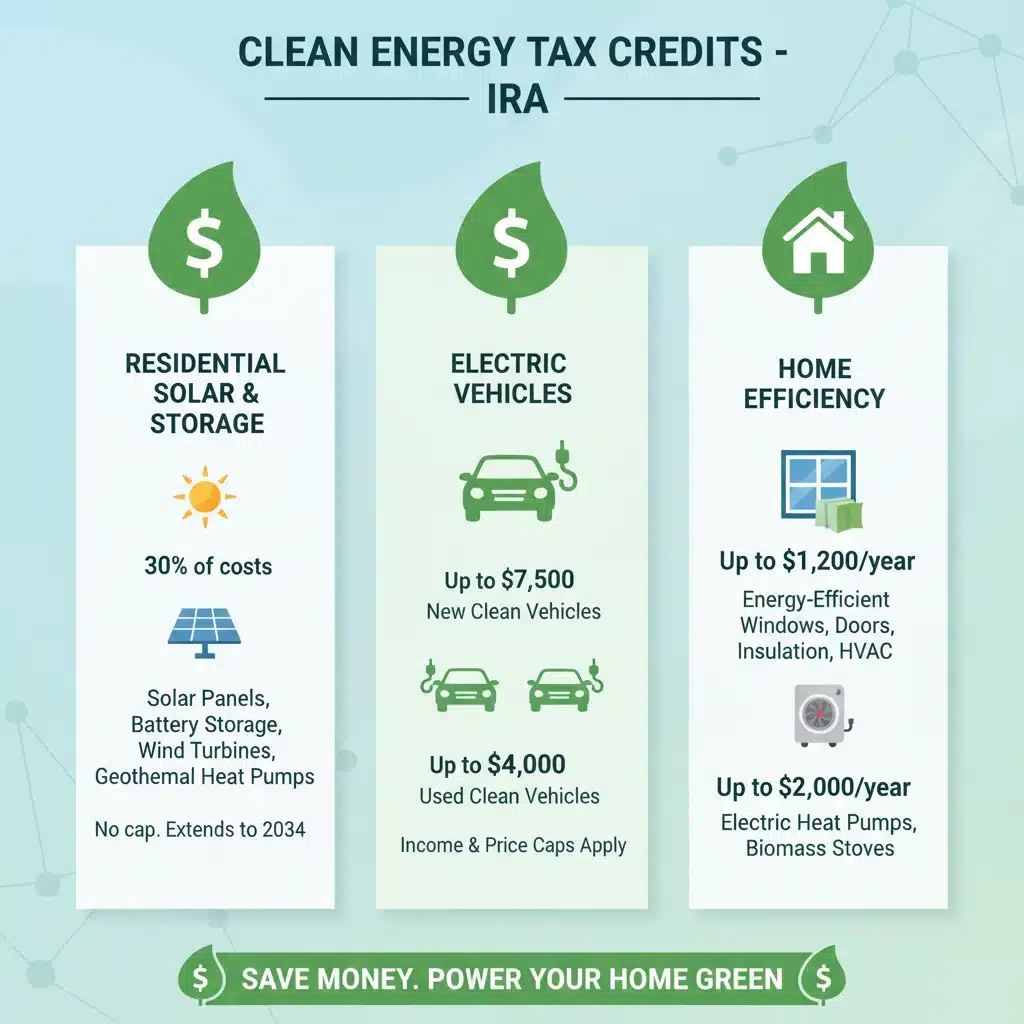
- Residential Clean Energy Credit (Section 25D): This credit provides a 30% tax credit for the cost of new, qualified clean energy property for your home, including solar panels, wind turbines, geothermal heat pumps, and battery storage technology. This credit was retroactively reinstated to 30% for property placed in service after December 31, 2021, and is set to remain at 30% until 2032. By 2026, the cumulative savings from lower electricity bills due and the initial tax credit will be substantial for early adopters.
- Energy Efficient Home Improvement Credit (Section 25C): This credit offers up to $1,200 annually for certain energy-efficient home improvements, such as new windows, doors, insulation, and energy-efficient HVAC systems. It also includes specific credits for heat pumps ($2,000) and electric panel upgrades ($600). These annual limits mean consumers can plan multiple upgrades over several years, maximizing their IRA financial impact.
These credits are not just about upfront savings; they translate into lower monthly energy bills for years to come. As more homes adopt these technologies, the overall demand for traditional energy sources could decrease, potentially stabilizing or even lowering energy prices in the long run, further contributing to the positive IRA financial impact.
Electric Vehicle Tax Credits
For those considering a new vehicle, the IRA offers significant incentives for electric vehicles (EVs). The clean vehicle tax credit (Section 30D) can provide up to $7,500 for new qualifying EVs and up to $4,000 for used qualifying EVs. However, these credits come with specific requirements regarding vehicle manufacturing origin, battery component sourcing, and consumer income limits.
By 2026, the supply chains for EVs are expected to have further adjusted to meet the sourcing requirements, making more vehicles eligible for the full credit. This could significantly reduce the effective purchase price of EVs, accelerating their adoption and leading to long-term savings on fuel costs for consumers. The IRA financial impact here is twofold: direct savings on vehicle purchase and ongoing savings on transportation expenses.
Healthcare Cost Reductions for Consumers
The healthcare provisions of the IRA are designed to make healthcare more affordable, particularly for seniors and those purchasing insurance through the ACA marketplace. By 2026, these changes will be fully integrated, offering substantial relief.
Prescription Drug Price Negotiation and Caps for Medicare Beneficiaries
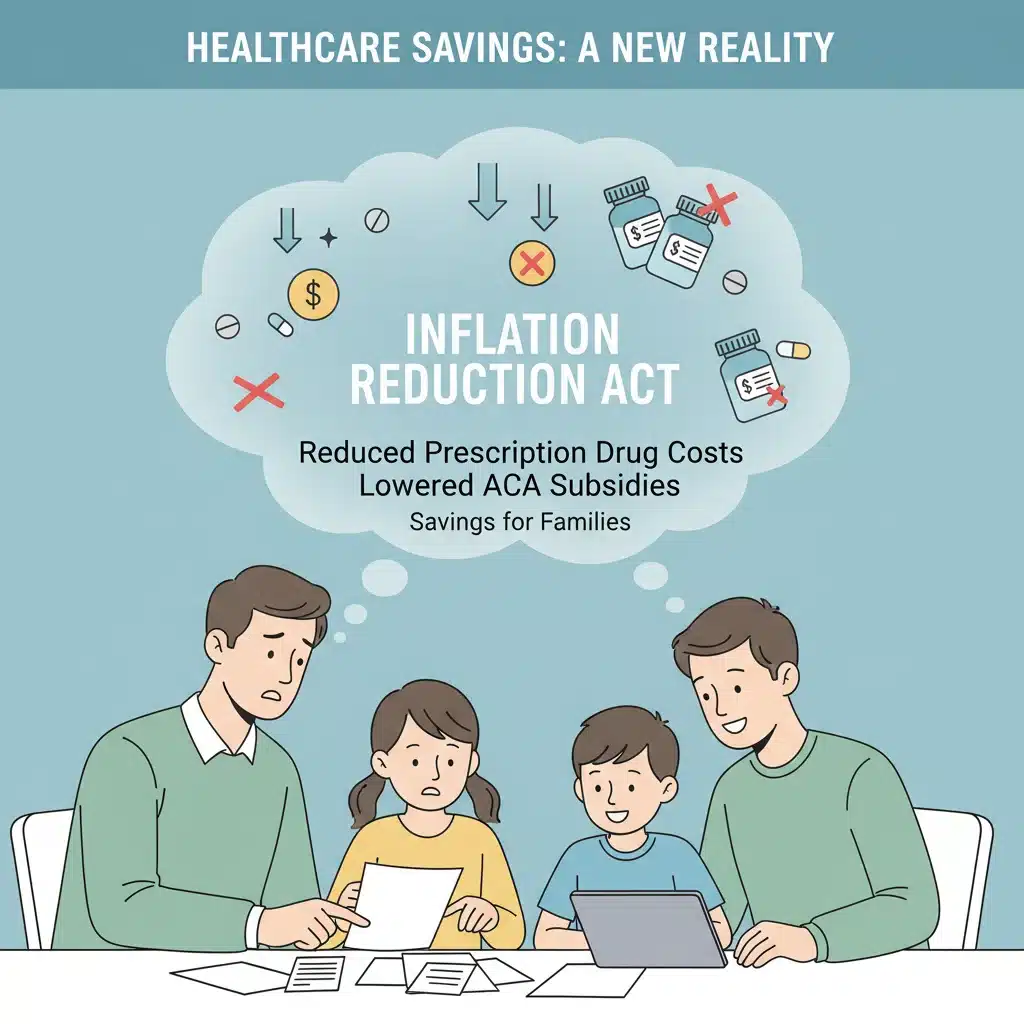
Perhaps one of the most significant changes is Medicare’s ability to negotiate prescription drug prices. While the first negotiated prices will take effect in 2026, the process of identifying eligible drugs and negotiating prices began earlier. This means that by 2026, some of the most expensive prescription drugs could see their prices significantly reduced for Medicare beneficiaries.
Furthermore, the IRA caps out-of-pocket prescription drug costs for Medicare Part D beneficiaries at $2,000 per year, starting in 2025. This cap will provide immense financial relief for seniors with high prescription drug expenses, preventing catastrophic costs that many faced previously. The IRA financial impact for seniors on fixed incomes will be particularly profound, offering greater predictability and affordability in their healthcare spending.
Additionally, insulin costs for Medicare beneficiaries are capped at $35 per month, a provision that started in 2023 and will continue to provide ongoing savings.
Affordable Care Act (ACA) Subsidies Extension
The IRA extended enhanced subsidies for health insurance purchased through the ACA marketplace until the end of 2025. This means that millions of Americans will continue to receive financial assistance to lower their monthly health insurance premiums. While the direct extension ends in 2025, the broader economic effects and potential for future legislative action influenced by the IRA’s success could see these benefits continue in some form. For now, consumers can rely on these subsidies through 2025, making healthcare more accessible and affordable.
Tax Implications and IRS Enhancements
While the IRA focuses on corporate tax reform, there are indirect and direct implications for individual consumers, particularly concerning tax compliance and potential audits.
No Direct Income Tax Increases for Middle- and Low-Income Households
It’s important to clarify that the IRA does not raise income taxes on individuals earning less than $400,000 per year. The corporate minimum tax and increased IRS enforcement are aimed at large corporations and high-income earners/businesses that may have previously exploited loopholes.
Enhanced IRS Enforcement and Services
The IRA provides significant funding to the IRS to improve taxpayer services and enhance tax enforcement. While some have expressed concerns about increased audits for ordinary Americans, the Treasury Department and IRS have stated that these new resources are primarily directed at increasing compliance among high-income earners and large corporations, not at increasing audit rates for small businesses or households earning under $400,000 annually.
By 2026, the hope is that improved IRS technology and staffing will lead to a more efficient tax filing process, better customer service, and a fairer tax system overall. This could indirectly benefit consumers through reduced tax fraud and a more level playing field, although the direct IRA financial impact on individual tax bills is not expected to change for the majority.
Broader Economic Effects and Inflation
The act’s name, ‘Inflation Reduction Act,’ signals its intent to curb inflation. By 2026, economic models suggest that the long-term effects of the IRA’s deficit reduction and investments in domestic production could contribute to a more stable economic environment. By investing in clean energy and domestic manufacturing, the IRA aims to reduce reliance on volatile global supply chains and fossil fuels, which are often sources of inflationary pressure.
However, the actual reduction in inflation by 2026 is subject to numerous other economic factors, including global events, monetary policy, and consumer demand. While the IRA’s proponents argue it will have a dampening effect on inflation over time, its direct impact on the Consumer Price Index (CPI) by 2026 is difficult to isolate definitively. Nevertheless, the targeted savings in energy and healthcare are designed to directly reduce household expenditures, irrespective of broader inflation trends, thus delivering a clear IRA financial impact.
Who Benefits Most from the IRA by 2026?
While many Americans will see some form of benefit, certain groups are poised to gain more significantly by 2026:
- Homeowners: Those who invest in energy-efficient home improvements or renewable energy systems will see substantial tax credits and long-term utility bill savings.
- Electric Vehicle Buyers: Consumers purchasing qualifying new or used EVs will benefit from significant tax credits, assuming they meet the income and vehicle requirements.
- Seniors on Medicare: The $2,000 out-of-pocket cap on prescription drugs and the $35 insulin cap will provide considerable financial relief for many.
- Individuals and Families on ACA Plans: Continued premium subsidies will keep health insurance more affordable.
- Low- and Middle-Income Households: These groups are often disproportionately affected by high energy and healthcare costs, making the targeted savings particularly impactful for their budgets.
Preparing for the IRA Financial Impact by 2026
To maximize the benefits of the Inflation Reduction Act, consumers should consider several proactive steps:
- Research Energy Credits: Investigate which home energy efficiency upgrades or clean energy installations (like solar panels) qualify for tax credits. Consult with energy auditors or contractors who are knowledgeable about the IRA’s provisions.
- Explore EV Options: If you’re in the market for a new or used vehicle, research which EV models qualify for the tax credits and ensure you meet the income requirements.
- Review Healthcare Coverage: Medicare beneficiaries should understand the new caps on prescription drug costs. Those on ACA plans should confirm their eligibility for continued subsidies.
- Stay Informed: The implementation of such a broad act is dynamic. Keep an eye on official government resources (like IRS.gov and Healthcare.gov) for updates and further guidance.
- Consult a Financial Advisor or Tax Professional: For complex financial situations or significant investments, seeking professional advice can help you navigate the specific tax implications and maximize your benefits.
Potential Challenges and Considerations
While the IRA offers numerous benefits, it’s also important to acknowledge potential challenges:
- Supply Chain Limitations: The availability of certain clean energy products or EV models that meet the domestic content requirements for tax credits could be limited in the short term. While this is expected to improve by 2026, it’s a factor to consider.
- Awareness and Accessibility: Not all consumers may be aware of the available programs or have the initial capital to invest in upgrades, even with tax credits. Outreach and educational efforts are crucial.
- Economic Volatility: Broader economic conditions, such as persistent inflation or recessions, could dilute some of the intended financial benefits, although the direct savings remain.
Conclusion
By 2026, the Inflation Reduction Act is poised to deliver tangible financial benefits to millions of U.S. consumers, primarily through reduced energy costs and more affordable healthcare. The extensive tax credits for clean energy investments and electric vehicles, coupled with critical reforms to Medicare prescription drug pricing and extended ACA subsidies, will collectively ease financial burdens for households across the country. Understanding the IRA financial impact is not just about knowing the legislation; it’s about actively planning to leverage its provisions for your personal and household benefit. As the various components of the act mature, Americans have a unique opportunity to save money, improve their homes’ efficiency, and access more affordable healthcare, contributing to a more sustainable and economically secure future.
Staying informed and proactively engaging with the opportunities presented by the IRA will be key to maximizing its positive financial impact on your life by 2026 and beyond. This landmark legislation is not just shaping policy; it’s reshaping the financial realities for American consumers, one energy-efficient home and affordable prescription at a time.