US Housing Market: 10% Home Equity Surge for Owners
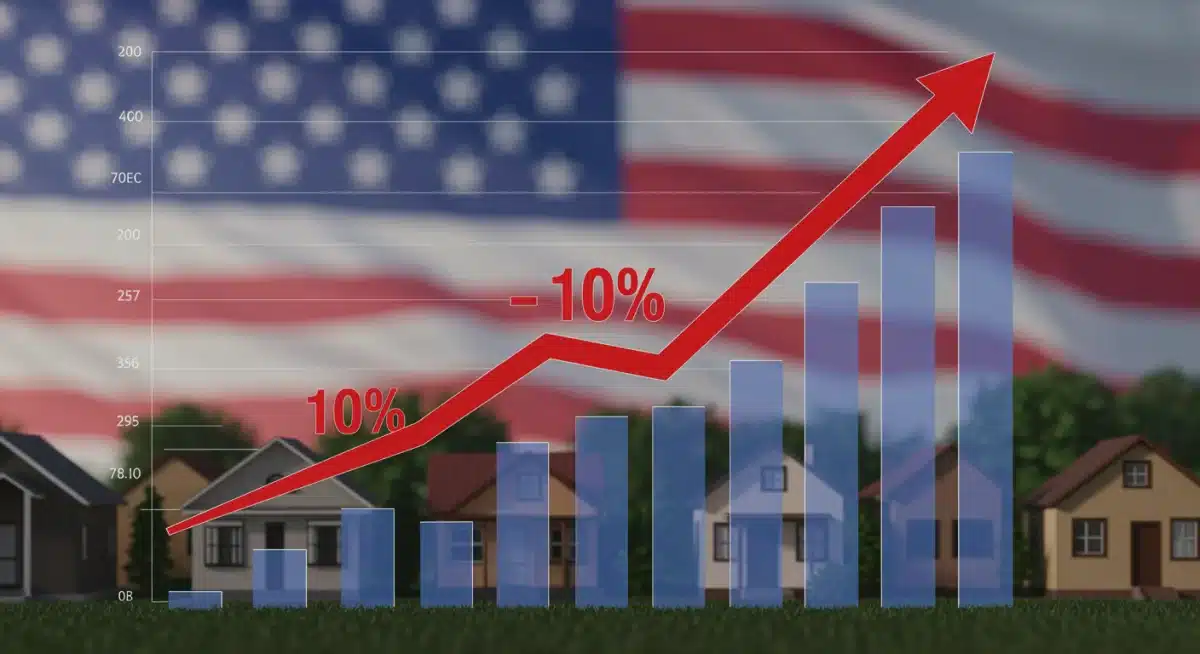
US homeowners experienced a remarkable 10% surge in home equity over the past year, driven by robust demand and limited supply, significantly boosting household wealth and financial stability across the nation.
The current housing market is a dynamic landscape, and for many, it’s been a period of significant financial growth. Over the past year, US homeowners have seen a notable US home equity surge, with an average increase of 10% in their home equity. This substantial rise has far-reaching implications, influencing everything from personal wealth to broader economic stability. Understanding the forces behind this growth and its potential future trajectory is crucial for anyone with a stake in the real estate market.
Understanding the 10% Home Equity Increase
The reported 10% increase in home equity for US homeowners over the past year is a compelling statistic that underscores the resilience and strength of the housing market. This growth isn’t uniform across all regions or property types, but the national average paints a clear picture of substantial wealth creation for many.
Home equity, simply put, is the difference between your home’s current market value and the amount you still owe on your mortgage. When home values rise, and mortgage balances are paid down, equity grows. This recent surge is primarily attributed to sustained buyer demand, historically low housing inventory, and, in many areas, a competitive bidding environment that pushes prices upward.
Key Drivers of Equity Growth
Several factors have converged to create this favorable environment for home equity. The lingering effects of the pandemic, which spurred a desire for more space and remote work capabilities, initially fueled demand. This was then exacerbated by a severe shortage of available homes for sale, creating an imbalance that drove prices higher.
- Strong Buyer Demand: A persistent desire for homeownership, coupled with favorable demographic trends, keeps buyers active in the market.
- Limited Housing Supply: New construction has struggled to keep pace with demand, leading to tight inventory levels.
- Low Interest Rates (Historically): While rates have fluctuated, the long period of relatively low interest rates made homeownership more accessible and borrowing more affordable, further stimulating demand.
- Inflationary Pressures: Real estate often acts as a hedge against inflation, attracting investors and pushing property values upward.
The interplay of these elements has created a powerful upward force on home values. This, in turn, translates directly into increased equity for homeowners, providing a significant boost to their net worth and financial security. This growth has allowed many to tap into their equity for various financial needs or simply to build long-term wealth.
Regional Disparities and Market Hotspots
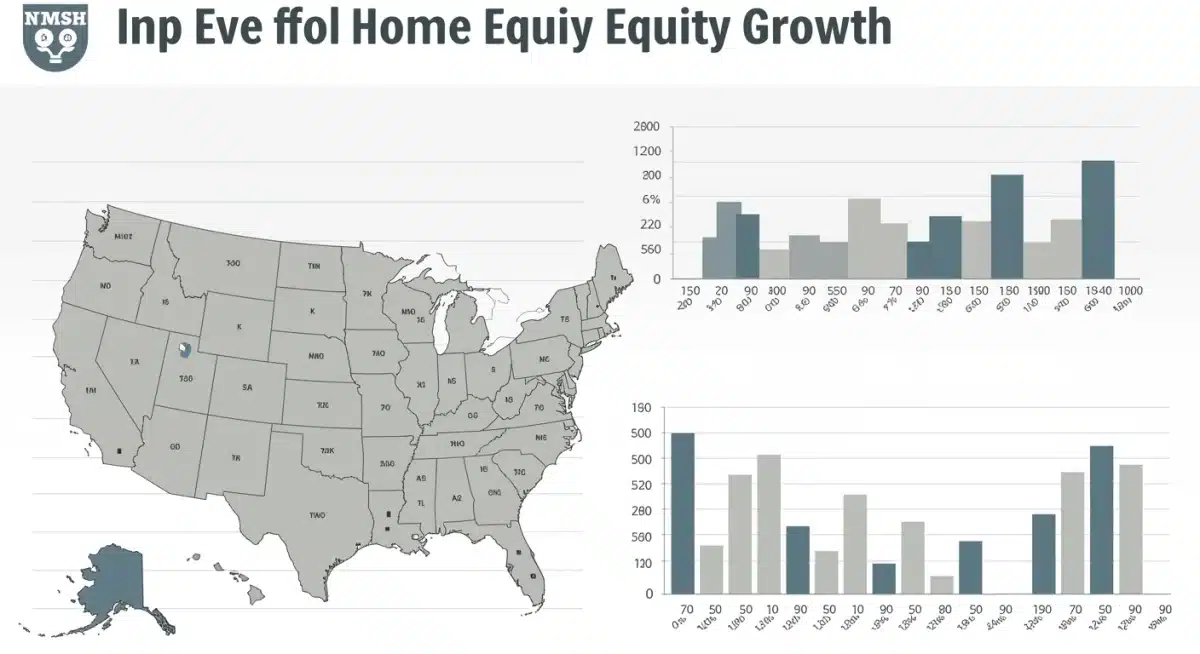
While the national average indicates a robust 10% increase in home equity, it’s crucial to acknowledge that this growth is not evenly distributed across the United States. Different regions and metropolitan areas have experienced varying degrees of appreciation, creating distinct market hotspots and areas with more moderate gains.
Coastal cities and Sun Belt states, in particular, have often led the charge in home value appreciation. Areas experiencing significant population growth, job creation, and a desirable quality of life tend to see higher demand and, consequently, faster equity growth. Conversely, some regions, particularly those with slower economic growth or an abundance of available land for development, might experience more modest increases.
Top Performing Regions
Certain metropolitan areas and states have consistently shown above-average equity gains. These often include cities in Florida, Texas, and parts of the Pacific Northwest and Mountain West. The influx of remote workers, combined with attractive tax policies and warmer climates, has made these areas particularly appealing to buyers, driving up competition and prices.
- Florida: Cities like Miami, Tampa, and Orlando have seen tremendous growth due to population migration and strong tourism.
- Texas: Austin, Dallas, and Houston continue to attract businesses and residents, fueling housing demand.
- Pacific Northwest: Seattle and Portland, despite their high cost of living, maintain strong markets due to tech industry growth.
- Mountain West: Boise, Phoenix, and Denver have become magnets for new residents, resulting in significant home value appreciation.
Understanding these regional differences is vital for homeowners and prospective buyers alike. For those in high-growth areas, their equity gains might far exceed the national average, offering greater financial flexibility. For others, the growth might be more gradual, requiring a longer-term perspective on their investment.
Impact on Homeowner Wealth and Financial Stability
The substantial US home equity surge has profound implications for homeowner wealth and overall financial stability. For many American households, their home is their largest asset, and an increase in its value directly translates into a stronger personal balance sheet. This enhanced wealth can open doors to various financial opportunities and provide a critical safety net.
Increased equity empowers homeowners in several ways. It provides a larger buffer against economic downturns, as a greater portion of the home’s value is owned outright. This can reduce the risk of foreclosure in challenging times. Furthermore, homeowners can leverage this equity through refinancing, home equity loans, or lines of credit (HELOCs) to fund significant expenses, such as home improvements, education, or debt consolidation.
Leveraging Home Equity
The ability to tap into home equity is a significant benefit for many. Home equity loans offer a lump sum, while HELOCs provide a revolving credit line, both typically at lower interest rates than unsecured personal loans or credit cards, given the home serves as collateral.
- Home Improvements: Funding renovations that increase home value and improve quality of life.
- Debt Consolidation: Consolidating high-interest debts into a single, lower-interest payment.
- Education Expenses: Paying for college tuition or other educational costs for family members.
- Emergency Funds: Creating a financial cushion for unexpected events.
However, it’s crucial for homeowners to approach leveraging their equity with caution. Borrowing against one’s home carries risks, and responsible financial planning is essential to ensure that any new debt can be comfortably repaid. Despite these considerations, the overall impact of rising equity on homeowner wealth is overwhelmingly positive, contributing significantly to the financial health of millions of Americans.
Challenges and Considerations in a High-Equity Market
While a 10% US home equity surge brings numerous benefits, it also introduces a unique set of challenges and considerations for both current homeowners and aspiring buyers. The very factors that contribute to rising equity can also create barriers for certain segments of the population and pose broader economic questions.
For first-time homebuyers, escalating home prices, driven by high demand and low inventory, make entry into the market increasingly difficult. Higher home values translate to larger down payments and bigger mortgages, potentially pricing out a significant portion of potential buyers, particularly in competitive urban and suburban areas. This can exacerbate affordability issues and widen the wealth gap.
Affordability Concerns
The rapid appreciation in home values, while beneficial for existing owners, presents a substantial hurdle for new entrants. The median home price has climbed significantly, often outpacing wage growth, making the dream of homeownership less attainable for many working-class families and young professionals.
- Increased Down Payment Requirements: A higher purchase price means a larger upfront cash outlay.
- Higher Monthly Mortgage Payments: Even with competitive interest rates, a larger loan amount leads to higher monthly costs.
- Limited Inventory: Fewer available homes intensify competition, often leading to bidding wars that further inflate prices.
Existing homeowners, too, face challenges. Rising property taxes, which are often tied to home values, can increase their cost of living. Furthermore, for those looking to downsize or move to a different market, they might find themselves in a similar competitive environment as first-time buyers, negating some of their equity gains if they are purchasing in an equally hot market. Navigating these complexities requires careful planning and a thorough understanding of local market conditions.
Future Outlook: Sustainability and Market Predictions
Looking ahead, the sustainability of the recent 10% US home equity surge is a key question for economists, homeowners, and policymakers. While the market has shown remarkable resilience, predicting future trends involves analyzing a confluence of economic indicators, demographic shifts, and potential policy changes.
Many experts anticipate a moderation in the pace of home price appreciation, rather than a sharp decline. The underlying demand for housing remains strong, supported by demographic tailwinds and a persistent shortage of homes. However, rising interest rates, while not deterring all buyers, are likely to cool the most intense bidding wars and lead to more balanced market conditions.
Factors Influencing Future Equity Growth
Several critical factors will shape the trajectory of home equity in the coming years. Understanding these elements can help homeowners and investors make informed decisions about their real estate assets.
- Interest Rate Environment: Continued rate hikes could slow demand, while stable or declining rates might reignite activity.
- Housing Inventory: An increase in new construction or existing homes for sale would alleviate supply pressures.
- Economic Growth and Employment: A strong economy supports housing demand and affordability.
- Inflation: The path of inflation will influence everything from construction costs to consumer purchasing power.
While a repeat of a 10% annual equity gain might be challenging to sustain long-term, a healthy, albeit slower, appreciation is still widely expected. The long-term outlook for homeownership as a wealth-building tool remains positive, but market conditions will likely evolve, requiring adaptability from all participants. Monitoring these economic signals will be crucial for understanding future equity trends.
Strategies for Maximizing Home Equity
For US homeowners looking to further capitalize on the recent 10% US home equity surge and continue building wealth, several strategic approaches can be employed. While market forces play a significant role, individual actions can also contribute to maximizing equity and ensuring the long-term value of a property.
One of the most direct ways to increase equity is through consistent mortgage payments, especially if extra principal payments are made. This directly reduces the outstanding loan balance, increasing the homeowner’s stake in the property. Beyond debt reduction, strategic home improvements can also significantly boost a home’s market value, directly translating into higher equity.
Smart Home Investments
Not all home improvements yield the same return on investment. Focusing on upgrades that are highly valued by buyers in your local market can be particularly effective. Kitchen and bathroom renovations, for example, often provide excellent returns, as do energy-efficient upgrades.
- Kitchen and Bathroom Remodels: These areas are often focal points for buyers and can significantly increase perceived value.
- Curb Appeal Enhancements: Landscaping, a fresh coat of paint, and exterior repairs create a strong first impression.
- Energy-Efficient Upgrades: New windows, improved insulation, and smart thermostats appeal to environmentally conscious buyers and offer long-term savings.
- Adding Usable Space: Finishing a basement or attic, or adding a deck, can increase square footage and functionality.
Regular maintenance is also crucial. Addressing small repairs promptly prevents them from escalating into costly issues that could detract from a home’s value. Staying informed about local market trends and property values can also help homeowners understand their equity position and make timely decisions regarding their investment. By combining proactive debt management with strategic home improvements, homeowners can effectively maximize their equity gains in the current market.
| Key Point | Brief Description |
|---|---|
| 10% Equity Growth | US homeowners saw an average 10% increase in home equity over the last year, boosting wealth. |
| Market Drivers | Strong demand, limited supply, and competitive bidding fueled the significant rise in home values. |
| Regional Variations | Equity gains varied significantly by region, with Sun Belt and coastal areas often leading. |
| Future Outlook | Growth is expected to moderate, influenced by interest rates and housing inventory levels. |
Frequently Asked Questions About Home Equity
Home equity represents the portion of your home that you truly own. It’s calculated by subtracting your outstanding mortgage balance from your home’s current market value. As your home value increases or you pay down your mortgage, your equity grows, contributing to your overall wealth.
The 10% increase was primarily driven by a combination of factors: strong buyer demand, a persistent shortage of available homes for sale, and a competitive market environment. These elements pushed home prices upwards across many regions, directly increasing homeowner equity.
Increased home equity boosts personal wealth and financial stability. It can be leveraged through options like home equity loans or lines of credit (HELOCs) to fund renovations, college tuition, or debt consolidation. It also provides a stronger financial buffer against economic uncertainties.
No, the 10% average increase masks significant regional variations. Areas in the Sun Belt and specific coastal cities with high population growth and strong economies have often seen much higher appreciation, while other regions experienced more moderate gains.
While a 10% annual surge may not be sustainable, experts anticipate a moderation in the pace of appreciation. Factors like interest rates, housing inventory, and economic conditions will influence future growth, but a healthy, albeit slower, increase is generally expected.
Conclusion
The past year has been remarkably favorable for US homeowners, with a substantial 10% increase in home equity significantly bolstering household wealth. This surge, driven by robust demand and limited supply, has provided a crucial financial uplift for millions, offering opportunities for strategic investments and enhanced financial security. While regional disparities and affordability challenges persist, understanding these market dynamics is essential for navigating the current landscape. As the market evolves, a continued focus on responsible financial planning and strategic home management will be paramount for homeowners looking to maximize their long-term equity gains and maintain financial stability.