

The Unfolding Demographic Shift: US Population Growth Slows and Its Impact on Social Programs
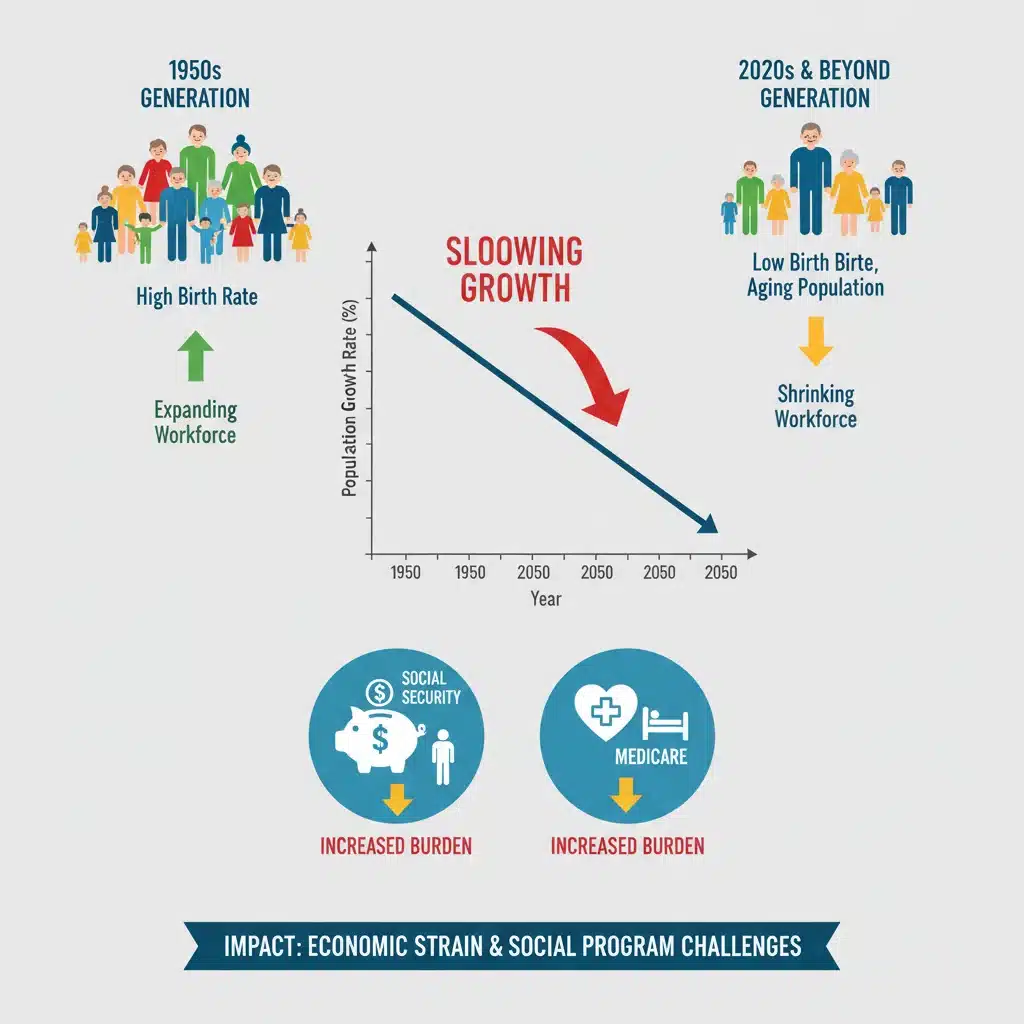
The United States stands at the precipice of a significant demographic transformation. Recent projections from the US Census Bureau paint a clear picture: the nation’s population growth is set to decelerate dramatically, reaching an annual rate of just 0.5% by 2026. This isn’t merely a statistical footnote; it’s a foundational shift with profound implications for every facet of American society, particularly its bedrock social programs. Understanding the trajectory of US population growth is critical to anticipating and addressing the challenges and opportunities that lie ahead.
For decades, the United States has benefited from a relatively robust population expansion, fueled by a combination of births and immigration. This growth has historically underpinned economic vitality, a dynamic workforce, and a sustainable tax base that supports crucial social safety nets. However, a confluence of factors – declining birth rates, an aging population, and fluctuating immigration patterns – are converging to reshape this demographic landscape. The projected slowdown in US population growth is not an anomaly but rather the continuation of a trend observed in many developed nations, yet its specific implications for the American context warrant a closer look.
This article will delve into the granular details of these Census Bureau projections, exploring the underlying causes of the decelerating growth. More importantly, it will meticulously examine the cascading effects of this demographic shift on the nation’s most vital social programs: Social Security and Medicare. These programs, designed on assumptions of continuous population growth and a favorable dependency ratio, face unprecedented pressures. We will also consider the broader economic and societal ramifications, from workforce dynamics and consumer markets to infrastructure planning and environmental considerations. Finally, we will explore potential policy responses and innovative strategies to navigate this evolving demographic reality, ensuring a resilient and equitable future for all Americans.
Understanding the Projections: What the Census Bureau Tells Us About US Population Growth
The US Census Bureau’s projections are not speculative guesses but rather meticulously calculated forecasts based on current trends in fertility, mortality, and international migration. The headline figure – a slowdown to 0.5% annual growth by 2026 – signifies a considerable departure from historical norms. To put this into perspective, the average annual growth rate for the US in the 20th century was closer to 1.3%. Even in recent decades, while showing signs of slowing, it remained above the projected 2026 figure.
Key Drivers of Decelerating US Population Growth:
- Declining Fertility Rates: One of the most significant factors contributing to the slowdown in US population growth is the persistent decline in birth rates. Several socio-economic factors contribute to this trend, including delayed childbearing, increased access to contraception, economic uncertainties, and evolving societal norms regarding family size. The total fertility rate in the U.S. has been below replacement level (the rate needed to maintain a population size without immigration) for several years, meaning that, without immigration, the population would eventually shrink.
- Aging Population and Increased Mortality Rates: As the baby boomer generation continues to age, the proportion of older adults in the population increases. While life expectancy has generally improved over time, a larger elderly population naturally leads to a higher absolute number of deaths, even if age-specific mortality rates remain stable or decline. This demographic weighting contributes to a slower net population gain.
- Fluctuating International Migration: Immigration has historically been a significant engine of US population growth and a source of demographic rejuvenation, often offsetting lower birth rates. However, immigration policies and global events can cause significant fluctuations in migration flows. Recent years have seen shifts in immigration patterns, and future projections account for various scenarios, which can either bolster or further dampen overall population growth.
These interconnected factors create a complex demographic mosaic. The net effect is a population that is not only growing at a slower pace but also becoming older on average. This shift in age structure has profound implications, particularly for intergenerational transfer programs like Social Security and Medicare, which rely on a vibrant working-age population to support retirees.
The Looming Challenge for Social Security: A Strain on the System
Social Security, established in 1935, is a cornerstone of American retirement security, providing benefits to millions of retirees, survivors, and disabled workers. Its pay-as-you-go funding model relies on current workers’ contributions to pay current beneficiaries. This system is acutely sensitive to changes in US population growth and age demographics. A slowing population growth rate, coupled with an aging populace, creates a direct challenge to its long-term solvency.
How Slowing US Population Growth Impacts Social Security:
- Decreased Worker-to-Beneficiary Ratio: The most direct impact is on the worker-to-beneficiary ratio. When population growth slows, and life expectancy increases, there are fewer new workers entering the labor force relative to the number of people collecting benefits. This means a smaller pool of contributors is supporting a larger pool of recipients, straining the system’s finances. The ratio has steadily declined from approximately 5.1 workers per beneficiary in 1960 to around 2.7 today, and projections indicate further declines.
- Reduced Tax Revenue Growth: A slower-growing population means a slower-growing workforce, which in turn means slower growth in the payroll taxes that fund Social Security. Without sufficient growth in the tax base, the system’s ability to meet its obligations becomes increasingly difficult.
- Trust Fund Depletion Concerns: The Social Security Trust Funds (OASI and DI) are projected to be able to pay 100% of scheduled benefits until the mid-2030s, after which they will be able to pay only a portion of scheduled benefits if no legislative action is taken. The decelerating US population growth exacerbates these projections, bringing forward the timeline for potential shortfalls.
Addressing these challenges requires careful consideration of various policy levers, from adjusting the retirement age to modifying benefit formulas or increasing payroll taxes. The political will to implement such changes, however, often faces significant hurdles. The demographic reality, however, dictates that inaction is not a sustainable option.
Medicare’s Mounting Pressures: Healthcare in an Aging America
Medicare, the federal health insurance program for people aged 65 or older, certain younger people with disabilities, and people with End-Stage Renal Disease, faces similar, if not greater, demographic pressures than Social Security. As US population growth slows and the population ages, the number of Medicare beneficiaries grows significantly, while the number of working-age individuals contributing to its funding increases at a much slower pace.
Challenges for Medicare due to Demographic Shifts:
- Increased Enrollment and Healthcare Demand: An aging population means a larger cohort of individuals entering Medicare eligibility. Older adults generally have higher healthcare utilization rates and more complex medical needs, leading to increased demand for services and higher overall program expenditures. This is a direct consequence of the changing age structure resulting from slower US population growth.
- Rising Healthcare Costs: Beyond increased utilization, the underlying costs of healthcare continue to rise due to advancements in medical technology, prescription drug prices, and administrative overhead. This combines with the demographic trend to create a ‘perfect storm’ for Medicare’s finances.
- Hospital Insurance (HI) Trust Fund Solvency: The Medicare Hospital Insurance (HI) Trust Fund, which pays for inpatient hospital care, skilled nursing facility care, hospice care, and some home health care, is financed primarily through payroll taxes. Like Social Security, it faces solvency challenges, with projections indicating potential depletion within the next decade if no action is taken. Slower US population growth directly impacts the revenue stream for this fund.
The sustainability of Medicare is a critical national concern. Solutions often involve a combination of cost containment measures, such as negotiating drug prices or reforming payment models, and revenue enhancements, which could include adjustments to premiums or taxes. The debate over Medicare’s future is intrinsically linked to the trajectory of US population growth and the evolving age structure of the nation.
Broader Economic and Societal Implications of Slowing US Population Growth
The impact of decelerating US population growth extends far beyond social programs, rippling through the entire economy and society. These broader implications demand proactive planning and innovative solutions.
Workforce and Labor Market:
- Labor Shortages: A slower-growing population can lead to labor shortages in various sectors, particularly those requiring specific skills or physically demanding work. This can impede economic growth and innovation.
- Productivity Challenges: While an aging workforce brings experience, it can also present challenges regarding productivity growth if not accompanied by investments in technology, automation, and continuous education and training for older workers.
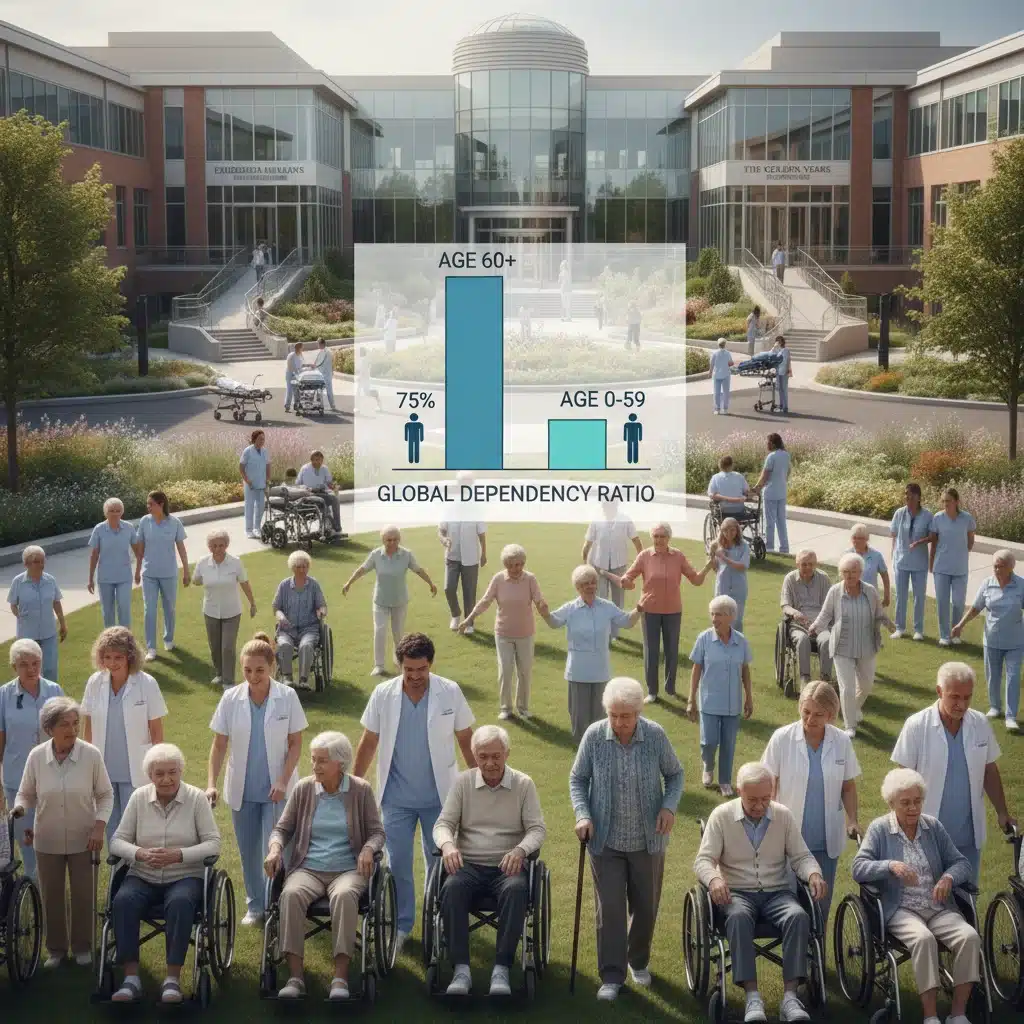
- Changing Dependency Ratio: The dependency ratio, which compares the number of dependents (children and retirees) to the working-age population, will increase. This means a relatively smaller working-age population will bear the economic burden of supporting a larger non-working population.
Economic Growth and Innovation:
- Slower GDP Growth: Population growth is a key component of economic growth. A slower-growing population, all else being equal, can translate into slower growth in Gross Domestic Product (GDP).
- Reduced Consumer Demand: Fewer new households and a slower growth in the overall population could temper consumer demand for goods and services, affecting industries from housing to retail.
- Innovation and Entrepreneurship: While less direct, a younger, growing population is often associated with higher rates of innovation and entrepreneurship. A slowing and aging population might require different strategies to foster these vital economic drivers.
Infrastructure and Public Services:
- Shifting Infrastructure Needs: While overall growth slows, regional demographic shifts might still necessitate investment in new infrastructure in some areas, while other areas face declining populations and underutilized resources.
- Demand for Elder Care Services: The aging population will place immense pressure on elder care services, including nursing homes, assisted living facilities, and in-home care, requiring significant investment and workforce development.
- Education System Adjustments: Declining birth rates will eventually lead to smaller school-age populations, requiring adjustments in educational infrastructure and resource allocation.
Policy Responses and Future Strategies for Sustainable US Population Growth
Navigating the demographic shifts brought about by slowing US population growth requires a multi-pronged approach involving strategic policy reforms, technological adoption, and societal adaptations. There is no single silver bullet, but rather a need for comprehensive and integrated strategies.
Reforming Social Security and Medicare:
- Gradual Adjustments to Eligibility Ages: Incrementally raising the full retirement age for Social Security and Medicare eligibility could align these programs more closely with increasing life expectancies.
- Progressive Revenue Enhancements: Options such as adjusting the cap on earnings subject to Social Security taxes, modestly increasing payroll tax rates, or diversifying funding sources could bolster program solvency.
- Benefit Formula Modifications: Re-evaluating how benefits are calculated, perhaps by modifying cost-of-living adjustments (COLAs) or adjusting the progressive nature of benefits, could be considered.
- Healthcare Cost Containment: For Medicare, a renewed focus on controlling healthcare costs through value-based care models, prescription drug price negotiation, and preventive health initiatives is crucial.
Boosting Workforce Participation and Productivity:
- Promoting Lifelong Learning and Reskilling: Investing in education and training programs to equip workers of all ages with in-demand skills can keep them productive longer.
- Flexible Work Arrangements: Encouraging flexible work schedules, remote work options, and phased retirement programs can help retain older workers in the labor force.
- Automation and AI Integration: Strategic adoption of automation and artificial intelligence can enhance productivity and mitigate the impact of labor shortages in certain sectors.
Strategic Immigration Policies:
- Targeted Immigration: Developing immigration policies that attract skilled workers and address specific labor market needs can help offset declines in the domestic workforce and contribute positively to US population growth.
- Streamlined Processes: Efficient and humane immigration processes are essential to maximize the benefits of migration.
Supporting Families and Fertility:
- Family-Friendly Policies: Implementing policies such as paid parental leave, affordable childcare, and child tax credits could potentially support families and influence fertility rates, though the impact of such policies on overall US population growth is complex and often gradual.
Innovation and Economic Diversification:
- Investment in R&D: Continued investment in research and development is vital to drive innovation and create new industries and jobs, regardless of population dynamics.
- Regional Development Strategies: Policies that support economic diversification and growth in various regions can help manage the impacts of uneven demographic shifts.
Conclusion: Adapting to a New Demographic Reality for Sustainable US Population Growth
The slowdown in US population growth to 0.5% annually by 2026, as projected by the Census Bureau, represents a fundamental demographic shift that will redefine America’s future. It’s a reality that necessitates immediate and thoughtful attention, particularly concerning the sustainability of critical social programs like Social Security and Medicare.
This isn’t a crisis to be feared but a challenge to be met with foresight, innovation, and bipartisan cooperation. By understanding the drivers of these demographic changes and proactively implementing comprehensive policy reforms, the United States can adapt to this new reality. This includes making difficult but necessary adjustments to social programs, investing in human capital through education and training, embracing technological advancements, and developing strategic immigration policies.
The goal is not merely to maintain the status quo but to build a more resilient, equitable, and prosperous nation for all generations. The future strength of the American economy and the well-being of its citizens will depend on how effectively we respond to the evolving landscape of US population growth. The time for deliberation and decisive action is now, ensuring that the promise of America remains vibrant for decades to come.