Veterans’ Benefits 2026: New Healthcare & Education
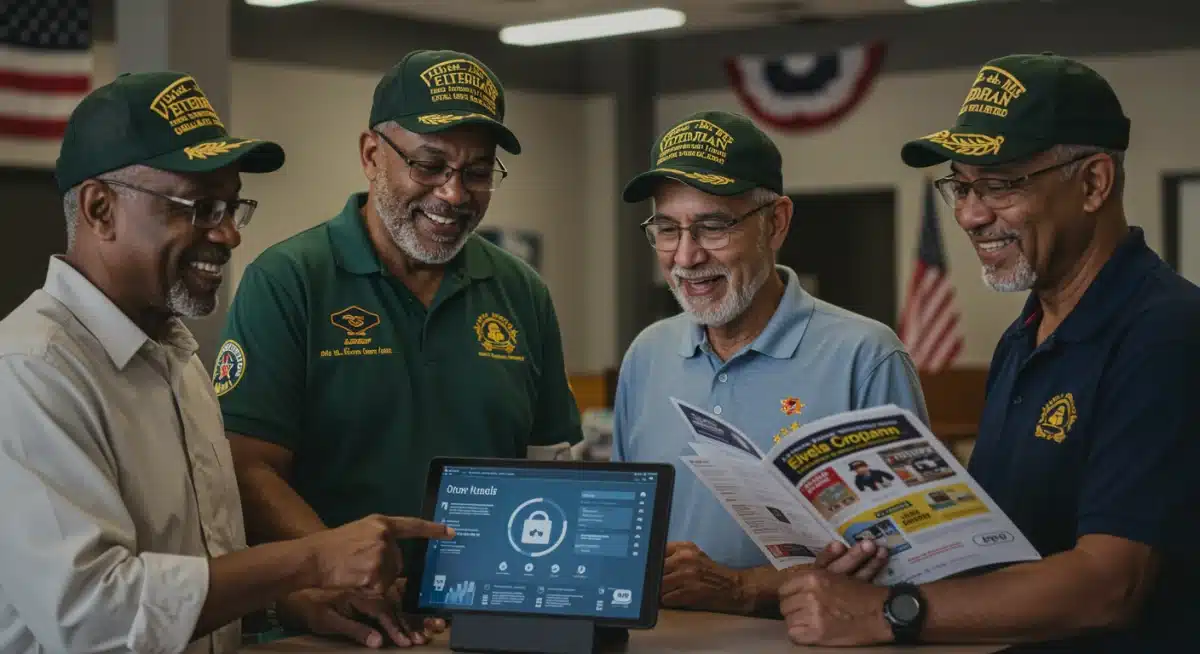
The year 2026 brings substantial enhancements to Veterans’ Benefits, particularly in healthcare accessibility and educational funding, reflecting a commitment to improving the lives of service members and their families across the United States.
As we step into 2026, significant changes are on the horizon for those who have honorably served our nation. The landscape of Veterans’ Benefits in 2026 is evolving, bringing forth new healthcare initiatives and expanded education opportunities designed to provide even greater support. Understanding these updates is crucial for veterans and their families to maximize the advantages available to them.
Understanding the New Healthcare Landscape for Veterans in 2026
The year 2026 marks a pivotal moment for veteran healthcare, with several key legislative changes and programmatic updates aimed at enhancing access, quality, and specialized care. These modifications are a direct response to ongoing feedback from the veteran community and healthcare providers, ensuring that services are more responsive and comprehensive than ever before.
One of the most significant developments is the expansion of tele-health services, which has seen accelerated adoption since earlier years. This expansion is not just about convenience; it is about bridging geographical gaps and providing immediate access to specialists, particularly for veterans in rural areas or those with mobility challenges.
Expanded Telehealth Services and Mental Health Support
The Department of Veterans Affairs (VA) has heavily invested in digital infrastructure to support a robust telehealth network. This includes secure platforms for virtual appointments, remote monitoring devices, and even AI-driven diagnostic tools to assist clinicians.
- Virtual Appointments: Easier scheduling and access to primary care and specialists from home.
- Remote Monitoring: Wearable devices for chronic conditions, transmitting data directly to VA healthcare teams.
- Mental Health Access: Increased availability of virtual therapy sessions and psychiatric consultations, reducing wait times.
Furthermore, mental health support has received a significant boost. New programs focus on proactive mental wellness, offering preventative care and early intervention strategies, moving beyond reactive treatment. This holistic approach recognizes the interconnectedness of physical and mental health.
Preventative Care and Specialized Treatment Programs
Preventative care is a cornerstone of the 2026 healthcare strategy. There’s a renewed emphasis on wellness programs, including nutrition counseling, fitness initiatives, and stress reduction techniques, all tailored to the unique needs of veterans.
Specialized treatment programs are also seeing enhancements. For instance, advanced therapies for traumatic brain injury (TBI) and post-traumatic stress disorder (PTSD) are being integrated into more VA facilities nationwide. These programs often combine cutting-edge medical research with personalized care plans.
In summary, the 2026 healthcare landscape for veterans is characterized by a strong commitment to accessibility, comprehensive mental health support, and advanced preventative and specialized treatment options, all designed to foster a healthier veteran population.
Transformative Education Opportunities for Veterans in 2026
Beyond healthcare, 2026 also ushers in a new era for veteran education, with initiatives designed to equip service members with the skills and knowledge needed for a thriving civilian career. These opportunities reflect a forward-thinking approach, recognizing the evolving job market and the diverse talents veterans bring.
The focus is on not just traditional degree programs but also vocational training, certifications in high-demand fields, and entrepreneurial support. The goal is to provide veterans with flexible and relevant educational pathways that lead to meaningful employment and economic independence.
Enhanced GI Bill Benefits and Vocational Training
The Post-9/11 GI Bill continues to be a cornerstone of veteran education, but 2026 sees some subtle yet impactful enhancements. These include increased funding for certain high-cost programs and better integration with state-level educational support systems.
- Expanded Program Eligibility: More non-traditional programs, including coding bootcamps and specialized technical certifications, are now covered.
- Increased Stipends: Adjustments to housing allowances and book stipends in high cost-of-living areas.
- Career Counseling: Enhanced access to personalized career guidance and job placement services.
Vocational training is particularly emphasized, with partnerships between the VA and industry leaders to create direct pipelines from training to employment. This ensures that veterans are learning skills directly applicable to current job market needs, such as cybersecurity, renewable energy technologies, and advanced manufacturing.
Support for Entrepreneurship and STEM Fields
Recognizing the entrepreneurial spirit often found in veterans, new programs are being launched to support veteran-owned businesses. This includes access to mentorship, seed funding, and specialized training in business management and marketing.
There’s also a significant push to encourage veterans to pursue education in Science, Technology, Engineering, and Mathematics (STEM) fields. Scholarships, grants, and specialized academic support are available to those who choose these critical areas, helping to address national skill shortages while providing veterans with high-earning potential careers.
In essence, the educational opportunities for veterans in 2026 are broader, more flexible, and more closely aligned with future economic demands, preparing them for success in a rapidly changing world.
Navigating Eligibility and Application Processes for 2026
Understanding the eligibility criteria and streamlined application processes for these new Veterans’ Benefits in 2026 is paramount. While the VA strives to simplify these procedures, being well-informed can significantly ease your journey and ensure you access all the benefits you deserve.
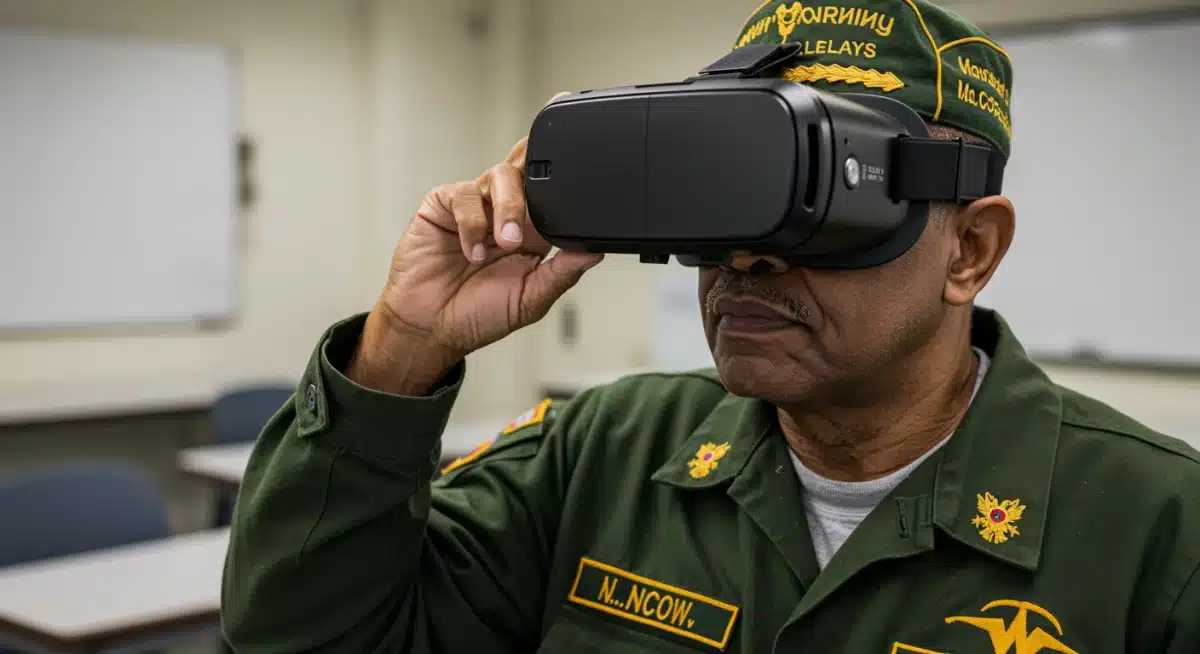
The VA has been working on a unified digital portal to centralize information and applications, reducing the need to navigate multiple websites or physical offices. This digital transformation aims to make the experience more user-friendly and efficient for all veterans.
Key Eligibility Criteria Updates
While core eligibility for most benefits remains tied to honorable service, some specific programs within healthcare and education have refined criteria. For example, certain specialized mental health treatments might require a specific diagnosis or referral from a VA physician.
For educational benefits, continuous enrollment or maintaining a certain GPA might be new requirements for extended funding in specific vocational programs. It is crucial to review the detailed eligibility requirements for each benefit you are interested in on the official VA website or through a benefits counselor.
Simplified Application Procedures
The VA’s new digital portal, launching fully in 2026, promises a more intuitive application experience. This platform will feature:
- Personalized Dashboards: View all your eligible benefits and application statuses in one place.
- Guided Application Flows: Step-by-step instructions and prompts to ensure all necessary information is provided.
- Document Upload Features: Securely submit supporting documents digitally, reducing paper-based processes.
Veterans are encouraged to create or update their VA.gov account to take full advantage of these digital tools. Assistance is also available through local VA offices and accredited veteran service organizations (VSOs) for those who prefer in-person support.
In summary, while eligibility remains foundational, the VA is making strides to simplify the application process through digital innovation, ensuring veterans can more easily access their entitled benefits in 2026.
Regional Initiatives and State-Specific Benefits in 2026
While federal Veterans’ Benefits in 2026 provide a robust foundation, it’s equally important to recognize the growing number of state-specific and regional initiatives that complement these offerings. These localized programs often address unique needs within particular communities or provide additional layers of support not covered by federal schemes.
Many states are actively developing programs in areas such as property tax relief, employment preferences, and specialized educational grants. These initiatives are a testament to the ongoing commitment at all levels of government to support veterans and their families.
Examples of State-Level Healthcare Additions
Several states are introducing or expanding their own healthcare programs for veterans. For example, some states might offer supplemental dental or vision care that goes beyond federal VA coverage, especially for veterans with specific service-connected conditions.
Others are creating specialized clinics for conditions like exposure-related illnesses, ensuring that veterans have access to care closer to home. These state-level programs often work in conjunction with federal VA services, providing a more comprehensive safety net.
Unique Educational Grants and Employment Programs
On the educational front, many states offer tuition waivers or additional grants for veterans attending public colleges and universities within their borders. These can significantly reduce the financial burden of pursuing higher education, even after federal GI Bill benefits are utilized.
- Property Tax Exemptions: Many states offer partial or full property tax exemptions for disabled veterans.
- State Employment Preference: Veterans often receive preference in state government job applications.
- Small Business Loans: State-backed loan programs specifically for veteran-owned businesses.
Employment programs at the state level often include job placement services, resume building workshops, and partnerships with local businesses committed to hiring veterans. These efforts aim to streamline the transition from military service to civilian employment within the state.
Ultimately, exploring regional and state-specific benefits is a vital step for veterans to fully leverage all available support, as these programs can significantly enhance the federal offerings in 2026.
Financial Wellness and Housing Support in the Coming Year
Financial stability and secure housing are fundamental pillars of successful civilian reintegration for veterans. In 2026, new and enhanced programs are focusing on these critical areas, aiming to provide veterans with the resources and guidance needed to thrive economically and establish stable homes.
These initiatives recognize that financial challenges and housing insecurity can significantly impact a veteran’s overall well-being and access to other benefits. Therefore, a multi-faceted approach is being implemented to address these concerns comprehensively.
Expanded Home Loan Guarantees and Housing Assistance
The VA Home Loan Guaranty program continues to be an invaluable resource, and in 2026, there are efforts to further streamline the application process and expand eligibility slightly for certain categories of veterans. This makes homeownership more accessible for those who have served.
Beyond homeownership, there’s increased focus on preventing veteran homelessness. Funding for various housing assistance programs, including rental aid and transitional housing, is being bolstered. These programs aim to provide immediate relief and long-term solutions for veterans experiencing housing instability.
- Financial Counseling: Free access to certified financial planners for budgeting, debt management, and investment advice.
- First-Time Homebuyer Workshops: Educational sessions specifically for veterans navigating the home buying process.
- Emergency Financial Aid: Quick access to funds for unexpected financial crises, preventing further hardship.
Financial Literacy Programs and Debt Relief
Financial literacy is receiving increased attention, with new educational modules and workshops being offered to veterans. These programs cover essential topics such as budgeting, credit management, investment strategies, and understanding benefits-related financial implications.
Furthermore, efforts are underway to provide more robust debt relief options and counseling for veterans struggling with financial burdens. This includes partnerships with non-profit organizations that specialize in veteran financial advocacy and assistance, ensuring veterans have avenues to get back on track.
In conclusion, the 2026 landscape for veteran financial wellness and housing support is marked by enhanced accessibility to homeownership, stronger safety nets against homelessness, and comprehensive financial education to empower veterans with lasting economic stability.
Advocacy and Future Outlook for Veteran Support Beyond 2026
The enhancements to Veterans’ Benefits in 2026 are not an endpoint but rather a significant milestone in an ongoing commitment to supporting our nation’s veterans. Continuous advocacy and forward-thinking policy development are crucial to ensuring that veteran support remains dynamic and responsive to future needs.
Veteran service organizations (VSOs), community groups, and individual advocates play a pivotal role in shaping future legislation and program development. Their collective voice ensures that the experiences and requirements of veterans remain at the forefront of national policy discussions.
The Role of Veteran Service Organizations (VSOs)
VSOs are indispensable in translating veteran needs into actionable policy. In 2026 and beyond, their role will expand to include:
- Policy Advocacy: Lobbying Congress for continuous improvement and expansion of benefits.
- Benefit Navigation: Assisting veterans and their families in understanding and applying for complex benefits.
- Community Building: Providing peer support and a sense of belonging for veterans transitioning to civilian life.
These organizations serve as vital bridges between veterans and the resources available to them, ensuring that information is disseminated effectively and that individual cases receive the attention they deserve. Their expertise is invaluable in navigating the often-complex world of veteran entitlements.
Anticipated Future Developments in Veteran Support
Looking beyond 2026, several areas are anticipated to see further development. These include:
- Personalized Benefits Delivery: Leveraging AI and data analytics to offer more tailored benefit packages based on individual veteran profiles and needs.
- Long-Term Care Solutions: Addressing the growing needs of an aging veteran population with innovative long-term care and geriatric support programs.
- Global Veteran Outreach: Expanding support for veterans living abroad, ensuring they have equitable access to benefits regardless of their location.
The future outlook for veteran support is one of continuous improvement, driven by technological advancements, evolving societal understanding, and unwavering advocacy. The goal is to build a comprehensive, resilient system that honors the sacrifices of service members for generations to come.
| Key Benefit Area | 2026 Update Highlights |
|---|---|
| Healthcare Access | Expanded telehealth, enhanced mental health services, and specialized preventative care. |
| Education & Training | Broader GI Bill eligibility, vocational training, and support for STEM/entrepreneurship. |
| Financial Stability | Streamlined home loans, increased housing assistance, and financial literacy programs. |
| Application Process | Centralized digital portal for easier navigation and personalized benefit dashboards. |
Frequently Asked Questions About 2026 Veteran Benefits
The most significant healthcare changes for veterans in 2026 include a major expansion of telehealth services, enhanced mental health support with more preventative programs, and improved access to specialized treatments for conditions like TBI and PTSD across VA facilities.
Educational opportunities in 2026 will feature broader Post-9/11 GI Bill eligibility to include more non-traditional and vocational programs, increased stipends, and dedicated support for veterans pursuing STEM fields or launching their own businesses.
Yes, the VA is launching a new unified digital portal in 2026 designed to simplify the application process. This platform will offer personalized dashboards, guided application flows, and secure digital document uploads for a more user-friendly experience.
Many states are expanding their own benefits in 2026, offering supplemental healthcare, additional educational grants, property tax relief, and employment preferences. Veterans are encouraged to check their state’s specific offerings in conjunction with federal benefits.
For 2026, veterans can expect expanded VA Home Loan Guarantees, increased funding for housing assistance programs to combat homelessness, and robust financial literacy programs, including counseling and debt relief options.
Conclusion
The year 2026 represents a significant leap forward in the provision of Veterans’ Benefits, particularly in the critical areas of healthcare and education. These comprehensive updates underscore a national commitment to ensuring that those who have served our country receive the highest quality of support and opportunities. By staying informed about these new initiatives, veterans and their families can proactively engage with the VA’s enhanced resources, paving the way for improved well-being, economic stability, and continued success in civilian life. The ongoing evolution of these benefits reflects a responsive system, continually striving to meet the dynamic needs of our esteemed veteran community.