
The 2026 Tax Code Changes: How New Deductions Could Save U.S. Households an Average of $1,500 This Year
As the calendar pages turn towards 2026, many U.S. households are beginning to ponder the impending shifts in the nation’s tax landscape. The year 2026 is poised to bring significant alterations to the tax code, with potential ramifications for every taxpayer. While tax changes often evoke a sense of trepidation, the upcoming adjustments could, in fact, offer a silver lining for many. Projections indicate that new deductions and modifications to existing tax laws could lead to an average savings of $1,500 for U.S. households. Understanding these 2026 tax changes is not just about compliance; it’s about strategic financial planning and maximizing your household’s economic well-being.
The intricate dance of tax legislation is constantly evolving, influenced by economic conditions, political priorities, and societal needs. The 2026 tax changes are no exception, representing a culmination of various legislative efforts aimed at recalibrating the economic playing field. For the average American family, these changes could translate into tangible financial relief, provided they are well-informed and prepared to leverage the new provisions. This comprehensive guide will delve into the specifics of the 2026 tax changes, exploring the new deductions, understanding who stands to benefit most, and outlining actionable strategies to ensure you are well-positioned to take advantage of these potential savings. From understanding the nuances of new credits to optimizing your financial planning, we aim to demystify the complexities and empower you to navigate the future tax environment with confidence.
Understanding the Landscape: Why 2026 is a Pivotal Year for Taxpayers
The year 2026 marks a critical juncture for the U.S. tax system. Many provisions of the Tax Cuts and Jobs Act (TCJA) of 2017 are scheduled to expire at the end of 2025. This sunsetting of key tax reforms necessitates a reevaluation and potential overhaul of various tax components, leading to what we refer to as the 2026 tax changes. The expiration of these provisions presents both challenges and opportunities. On one hand, some taxpayers might face higher tax burdens if certain deductions or lower rates are not extended. On the other hand, the legislative process leading up to 2026 is likely to introduce new measures designed to stimulate the economy, support specific demographics, or address pressing national concerns.
Historically, significant tax code revisions have occurred periodically, reflecting shifts in economic policy and governmental priorities. The upcoming 2026 tax changes are expected to be particularly impactful due to the broad scope of the expiring TCJA provisions. These include individual income tax rate reductions, increases in the standard deduction, limitations on state and local tax (SALT) deductions, and changes to various business tax provisions. The legislative response to these expirations will shape the financial landscape for years to come. Policymakers are currently engaged in extensive discussions to determine which provisions to extend, modify, or replace entirely. These discussions are influenced by a multitude of factors, including inflation, economic growth forecasts, and the national debt. For taxpayers, this period of legislative flux underscores the importance of staying informed and adaptable. The potential for an average $1,500 savings for U.S. households is a strong motivator to pay close attention to these developments and to proactively plan for the changes ahead. Understanding the underlying reasons for these changes, such as the expiration of previous legislation and the government’s aim to foster economic stability and growth, is the first step toward navigating them effectively.
Furthermore, the 2026 tax changes are not merely about numbers on a ledger; they reflect a broader societal and economic vision. The introduction of new deductions or the modification of existing ones often aims to incentivize certain behaviors, such as saving for retirement, investing in education, or promoting environmentally friendly practices. Therefore, understanding the spirit behind these changes can help individuals and families align their financial decisions with these incentives, potentially leading to greater tax benefits. For example, if new deductions are introduced for energy-efficient home improvements, homeowners who were already considering such upgrades might find an additional financial impetus to proceed. This symbiotic relationship between policy and individual action is a cornerstone of effective tax planning. The anticipation of these changes has already begun to influence financial advisors and economists, who are preparing their clients and models for the new era of taxation. As we move closer to 2026, the details will become clearer, but the overarching theme remains: preparedness is paramount.
Key New Deductions and Credits Expected in the 2026 Tax Code
While the final details of the 2026 tax changes are still being debated and legislated, several key areas are emerging as potential sources of new deductions and credits that could significantly benefit U.S. households. These proposed changes are designed to address various economic and social challenges, offering taxpayers opportunities to reduce their taxable income and ultimately their tax liability. The projected average savings of $1,500 per household is largely predicated on the effective utilization of these new provisions. Let’s explore some of the most anticipated deductions and credits.
Expanded Child Tax Credit (CTC)
One of the most widely discussed potential changes is an expansion of the Child Tax Credit. While the TCJA increased the CTC to $2,000 per child, there is strong bipartisan interest in further increasing this amount and making more of it refundable. A more generous and fully refundable CTC could provide substantial relief to low- and middle-income families, directly contributing to the $1,500 average savings. This credit is often seen as a direct way to combat child poverty and support family expenses, from childcare to education. The specifics of any expansion, including income thresholds and maximum credit amounts, will be crucial for families to understand.
Education-Related Deductions and Credits
Recognizing the rising cost of education, the 2026 tax changes may include enhanced deductions or credits for educational expenses. This could range from student loan interest deductions to credits for tuition and fees, or even new provisions for vocational training and lifelong learning. Such measures aim to alleviate the financial burden on students and their families, making higher education and skill development more accessible. For instance, a new, more generous credit for college tuition could significantly offset the costs for families with children pursuing higher education, directly impacting their overall tax burden.
Healthcare Expense Deductions
Healthcare costs remain a significant concern for many Americans. The 2026 tax changes could introduce new or expanded deductions for healthcare-related expenses not covered by insurance. This might include deductions for certain medical procedures, prescription drug costs, or even health insurance premiums for individuals who purchase their own plans. The goal is to provide financial relief to those grappling with high medical bills, improving access to necessary care without undue financial strain. This is particularly relevant for individuals with chronic conditions or those facing unexpected medical emergencies, where out-of-pocket expenses can quickly accumulate.
Energy-Efficient Home Improvement Credits
In line with broader environmental goals, there’s a strong possibility of new or expanded tax credits for energy-efficient home improvements. This could include installing solar panels, upgrading to energy-efficient windows or insulation, or investing in other sustainable home technologies. These credits not only incentivize environmentally responsible behavior but also offer tangible financial benefits to homeowners, reducing both their tax liability and their utility bills over time. The dual benefit of saving money and contributing to environmental sustainability makes these credits particularly attractive.
Retirement Savings Incentives
Encouraging Americans to save more for retirement is a perennial policy goal. The 2026 tax changes might introduce new incentives for retirement savings, such as increased contribution limits for IRAs and 401(k)s, or new tax credits for low- and middle-income savers. These provisions aim to strengthen financial security in retirement, reducing reliance on public assistance programs in the long run. Any enhancement in this area could significantly boost long-term financial planning for many households, allowing them to accumulate greater wealth for their golden years.
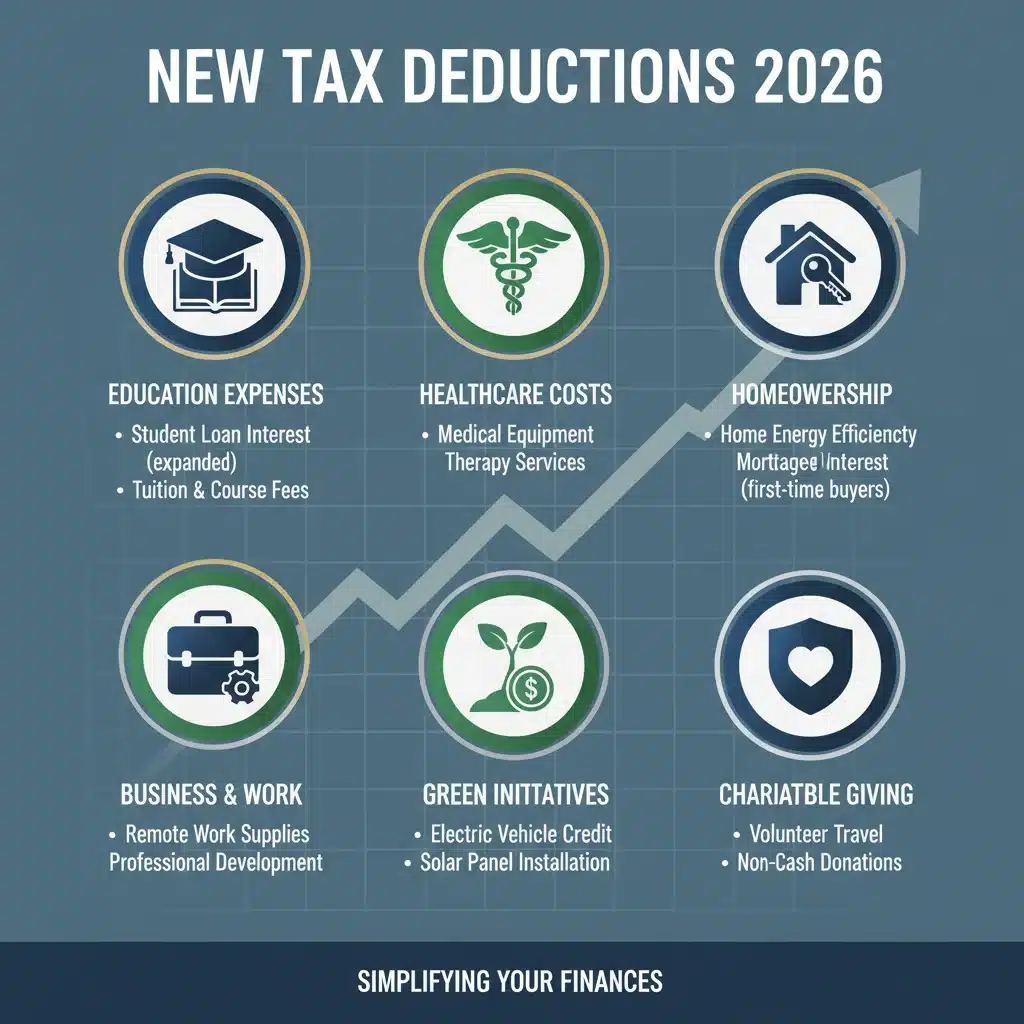
It’s important to remember that these are potential changes, and the final legislative package may vary. However, the consistent discussion around these areas suggests they are strong candidates for inclusion in the 2026 tax changes. Staying updated on legislative developments will be crucial for taxpayers looking to capitalize on these new opportunities. Each of these deductions and credits, individually or in combination, can contribute significantly to the projected $1,500 average savings, making it imperative for households to understand their eligibility and how to claim them effectively.
Who Benefits Most from the 2026 Tax Changes?
While the projected average savings of $1,500 from the 2026 tax changes is a promising figure, the actual impact will vary significantly among different households. Certain demographics and financial situations are likely to benefit more profoundly from the anticipated new deductions and credits. Understanding who these primary beneficiaries are can help individuals and families assess their own potential gains and tailor their financial strategies accordingly.
Families with Children
As mentioned, a significant expansion of the Child Tax Credit is a strong possibility. If this comes to fruition, families with children, particularly those in lower to middle-income brackets, stand to gain substantially. A more generous and refundable CTC can directly reduce their tax liability, providing much-needed funds for childcare, education, and other family expenses. This demographic is often at the forefront of policy discussions regarding tax relief, making them a key beneficiary of the 2026 tax changes.
Students and Those with Education Expenses
Individuals pursuing higher education, or families supporting students, could see considerable relief through enhanced education-related deductions and credits. This includes college students, individuals pursuing vocational training, and potentially even those repaying student loans. The rising cost of education has made these expenses a major financial burden, and the proposed 2026 tax changes aim to mitigate this, making education more affordable and accessible. This could mean thousands of dollars in savings for families with multiple children in college or individuals heavily invested in their professional development.
Homeowners Making Energy-Efficient Upgrades
Homeowners who invest in energy-efficient improvements are another group poised to benefit. With new or expanded tax credits for solar panels, insulation, energy-efficient appliances, and other green technologies, these individuals can recoup a portion of their investment through tax savings. This not only encourages sustainable living but also provides a direct financial incentive for property owners to upgrade their homes, thereby increasing their property value and reducing long-term utility costs.
Individuals with High Medical Expenses
Households facing significant out-of-pocket medical costs could find relief through expanded healthcare expense deductions. This is particularly beneficial for individuals with chronic illnesses, disabilities, or those who incur substantial medical bills not fully covered by insurance. The 2026 tax changes in this area could ease the financial strain on these vulnerable populations, ensuring that necessary healthcare is more attainable without leading to financial hardship.
Middle-Income Households
While some provisions may target lower-income individuals, many of the anticipated deductions and credits, such as those related to education, homeownership, and retirement savings, are likely to have a broad impact on middle-income households. These families often juggle multiple financial responsibilities, and the average $1,500 in savings could make a tangible difference in their budgets, allowing for increased savings, debt reduction, or investment in their future. The 2026 tax changes are often crafted with an eye towards supporting the economic stability of the middle class, making them a significant demographic to watch.
It is important for all taxpayers to review their specific financial situations and consult with tax professionals to understand how the 2026 tax changes will impact them individually. While the average savings is a promising indicator, personalized planning will be key to maximizing the benefits. The distribution of these benefits will reflect legislative priorities and the economic needs of various segments of the population. Therefore, staying informed about the final details of the tax bill will be crucial for all households, regardless of their current financial standing. Proactive engagement with these changes will be the difference between simply experiencing the changes and actively benefiting from them.
Strategies to Maximize Your Savings Under the New Tax Code
With the projected average savings of $1,500 for U.S. households under the 2026 tax changes, proactive planning becomes paramount. Simply waiting for the tax season to arrive will likely mean missing out on opportunities to maximize your benefits. Strategic financial planning, informed by an understanding of the upcoming changes, can help you leverage new deductions and credits to their fullest potential. Here are several actionable strategies to consider:
Stay Informed and Consult Professionals
The most crucial step is to remain updated on the legislative developments surrounding the 2026 tax changes. Official government websites, reputable financial news outlets, and tax advisory services are excellent resources. More importantly, consider consulting with a qualified tax advisor or financial planner. These professionals can provide personalized advice based on your specific financial situation, helping you understand which new deductions and credits apply to you and how best to claim them. Their expertise can be invaluable in navigating the complexities of the evolving tax code and ensuring you don’t overlook any potential savings.
Review and Adjust Your Withholding
Once the details of the 2026 tax changes are finalized, it will be essential to review your W-4 form with your employer. Adjusting your tax withholding can prevent you from having too much or too little tax withheld from your paycheck throughout the year. If you anticipate significant savings from new deductions, you might be able to reduce your withholding, leading to larger paychecks. Conversely, if some expiring provisions negatively impact you, increasing your withholding could help avoid a large tax bill at year-end. This proactive adjustment can significantly impact your cash flow throughout the year.
Optimize Education Savings
If new or expanded education deductions and credits are enacted, evaluate your current education savings strategies. This might involve increasing contributions to 529 plans, utilizing Coverdell Education Savings Accounts, or exploring new tax-advantaged accounts that may be introduced. Understanding the specific requirements for these credits and deductions will allow you to structure your education funding in the most tax-efficient manner. For example, some credits might have income limitations or require specific types of educational institutions, so knowing these details ahead of time is critical.
Plan for Energy-Efficient Home Improvements
If you’ve been considering home upgrades, especially those that improve energy efficiency, now might be the time to accelerate your plans. With potential new tax credits for such improvements under the 2026 tax changes, combining these upgrades with the tax benefits can lead to significant overall savings. Keep meticulous records of all expenses related to these improvements, as proper documentation will be necessary to claim the credits. This dual benefit of reducing energy consumption and lowering your tax bill makes these investments particularly attractive.
Maximize Retirement Contributions
Should the 2026 tax changes include enhanced incentives for retirement savings, make it a priority to maximize your contributions to IRAs, 401(k)s, and other retirement accounts. Even without new incentives, increasing contributions to tax-advantaged retirement accounts is a sound financial strategy that reduces your taxable income in the present and builds wealth for the future. Understanding any new contribution limits or eligibility requirements will be key to optimizing this strategy.
Review Your Healthcare Spending
For those with high medical expenses, begin tracking all eligible out-of-pocket costs diligently. If new healthcare deductions are introduced, having a clear record of these expenses will be vital for claiming them. This includes prescription costs, doctor visits, hospital stays, and potentially even health insurance premiums if they become deductible for more individuals. Staying organized throughout the year will simplify the tax filing process and ensure you capture all eligible deductions.
Consider Itemizing vs. Standard Deduction
The TCJA significantly increased the standard deduction, leading many taxpayers to opt for it over itemizing. However, with the 2026 tax changes, new or expanded deductions could shift this balance. It’s crucial to re-evaluate whether itemizing your deductions becomes more advantageous. Keep detailed records of all potential itemizable expenses, such as mortgage interest, state and local taxes (if limitations are adjusted), charitable contributions, and medical expenses, to make an informed decision come tax season.

By adopting these proactive strategies, U.S. households can move beyond simply reacting to the 2026 tax changes and instead actively engage in maximizing their financial benefits. The potential average savings of $1,500 is a powerful incentive to start planning now, ensuring that you are well-prepared to navigate the evolving tax landscape and secure your financial future.
The Broader Economic Impact of the 2026 Tax Changes
Beyond individual household savings, the 2026 tax changes are expected to have a significant ripple effect on the broader U.S. economy. Tax policy is a powerful tool for economic management, and the upcoming revisions are likely to influence consumer spending, investment, business growth, and even international competitiveness. Understanding these broader implications can provide a more holistic view of why these changes are so important.
Stimulating Consumer Spending
If U.S. households indeed save an average of $1,500 due to new deductions and credits, a portion of this extra capital is likely to be injected back into the economy through increased consumer spending. This boost in demand for goods and services can stimulate economic growth, support businesses, and potentially create jobs. The cumulative effect of millions of households having more disposable income can be a significant economic driver, especially in sectors like retail, hospitality, and personal services. The design of the 2026 tax changes often considers this multiplier effect, aiming to foster a virtuous cycle of spending and growth.
Impact on Business Investment and Growth
While this article primarily focuses on individual tax changes, the expiration of TCJA provisions also impacts corporate tax rates and business deductions. The legislative decisions made regarding business taxation will significantly influence corporate investment, hiring decisions, and overall economic expansion. If the 2026 tax changes include incentives for businesses to invest domestically or innovate, it could lead to increased productivity and competitiveness on a global scale. This interplay between individual and corporate tax policy is crucial for a robust economy, as a thriving business sector often translates to more job opportunities and higher wages for individuals.
Addressing Income Inequality
Many of the anticipated deductions and credits, particularly an expanded Child Tax Credit or enhanced healthcare deductions, are often designed with an eye towards addressing income inequality. By providing greater financial relief to low- and middle-income households, the 2026 tax changes could help narrow the wealth gap and provide a more equitable distribution of economic opportunities. This societal benefit, while not directly measurable in an average $1,500 savings, contributes to overall economic stability and social cohesion.
Influence on Housing and Education Sectors
The introduction of new or expanded deductions for energy-efficient home improvements and education expenses will directly impact these sectors. Increased demand for green technologies and educational services could spur innovation, create jobs, and foster growth in these specific industries. This targeted approach to tax policy allows the government to direct economic activity towards areas deemed beneficial for long-term national development. The 2026 tax changes, therefore, can be viewed as a strategic investment in critical sectors of the economy.
Budgetary Considerations and National Debt
It’s important to acknowledge that any tax cuts or new deductions come with budgetary implications. The legislative process leading up to the 2026 tax changes will involve careful consideration of how these provisions impact the national debt and the government’s ability to fund essential services. Policymakers will strive to balance the desire for economic stimulus and taxpayer relief with fiscal responsibility. The long-term sustainability of the tax code is a key concern, and the decisions made in 2026 will undoubtedly shape the nation’s financial trajectory for years to come. The goal is to achieve a balance where tax relief fosters economic activity without unduly burdening future generations.
In conclusion, the 2026 tax changes are more than just an adjustment to individual tax forms; they represent a significant recalibration of economic policy with far-reaching consequences. For U.S. households, the potential for an average $1,500 in savings is a direct benefit, but the indirect benefits of a stimulated economy, targeted sectoral growth, and potentially reduced inequality are equally important. Staying informed about these broader economic impacts can help taxpayers understand the full scope of the upcoming tax reforms and their role in the nation’s financial future.