US Housing Market 2026: Affordability, Inventory, and Future Trends
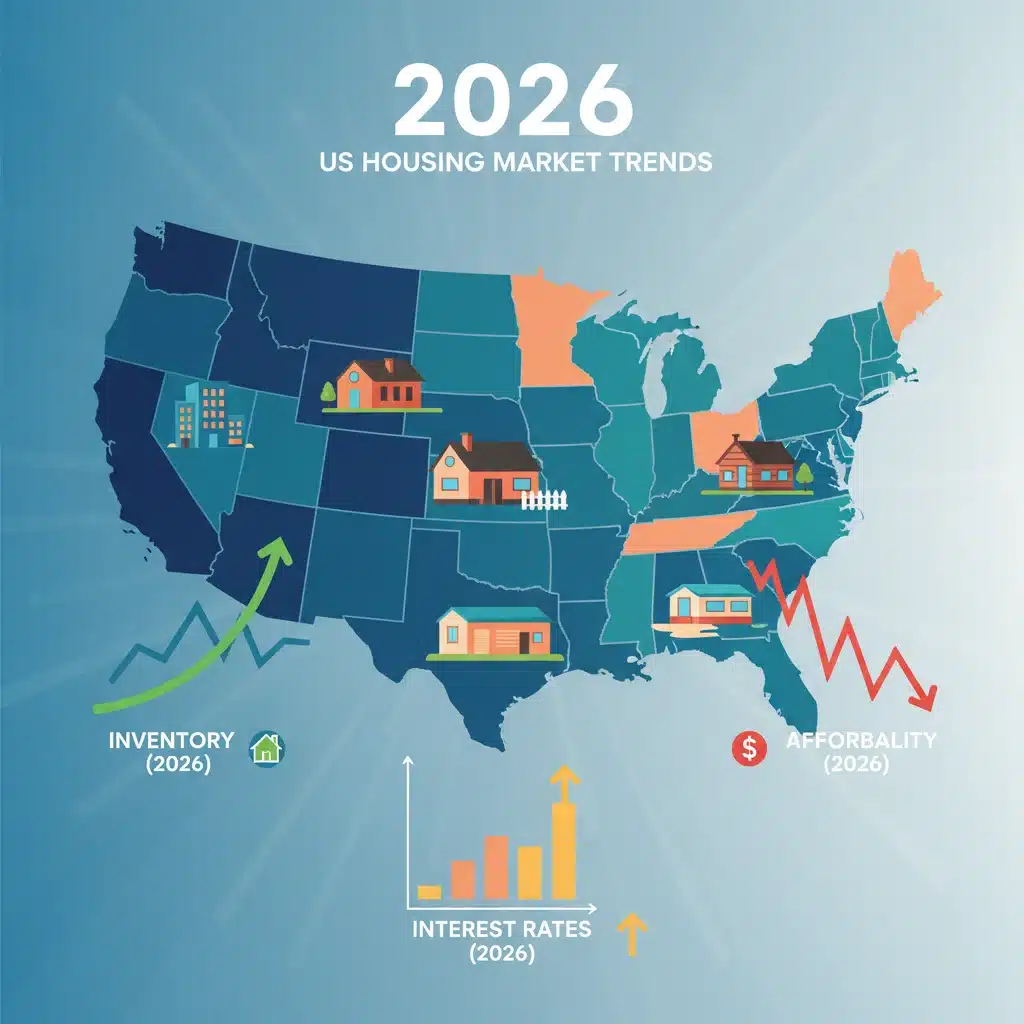
The US Housing Market in 2026: A National Outlook on Affordability and Inventory Trends
The United States housing market is a dynamic and ever-evolving entity, constantly shaped by a confluence of economic, demographic, and societal factors. As we cast our gaze towards 2026, prospective homebuyers, current homeowners, investors, and real estate professionals are all keenly interested in understanding the trajectory of the US Housing Market 2026. Will affordability improve? What will be the state of inventory? How will interest rates play a role? This comprehensive outlook aims to dissect these critical questions, providing a detailed forecast for the national housing landscape in the coming years.
Understanding the future of the US Housing Market 2026 requires a thorough examination of the underlying forces that have shaped its recent past and those poised to influence its near future. The years leading up to 2026 have been marked by unprecedented volatility, driven by factors such as the COVID-19 pandemic, supply chain disruptions, fluctuating interest rates, and significant demographic shifts. These elements have collectively created a complex environment, making accurate predictions both challenging and essential.
This article will delve into the key indicators and trends expected to define the US Housing Market 2026, offering insights into affordability, inventory levels, interest rate projections, and regional variations. We will explore the impact of government policies, technological advancements, and evolving consumer preferences, providing a holistic view for anyone looking to navigate the real estate landscape successfully.
Affordability in the US Housing Market 2026: A Persistent Challenge?
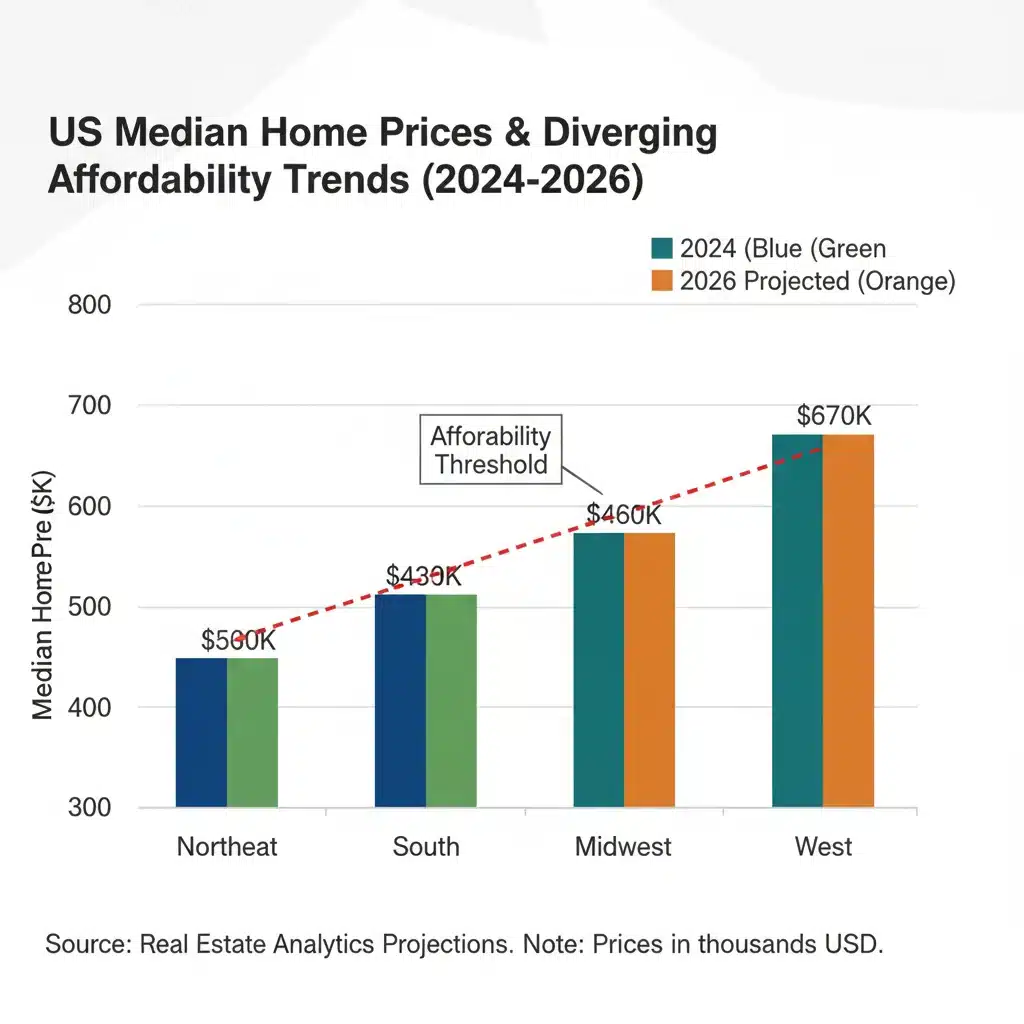
Affordability has been a dominant theme in the US housing market for several years, and it is expected to remain a critical concern as we approach 2026. The confluence of rising home prices, elevated interest rates, and stagnant wage growth in certain sectors has pushed homeownership out of reach for many Americans. When discussing the US Housing Market 2026, affordability is not just a buzzword; it’s a fundamental barrier for a significant portion of the population.
Factors Influencing Affordability
Several key factors will continue to influence housing affordability in the US Housing Market 2026:
- Home Prices: While the rapid appreciation seen during the pandemic era may moderate, sustained demand and limited supply in many areas will likely keep home prices relatively high. Inflationary pressures on construction costs also contribute to this trend.
- Interest Rates: The Federal Reserve’s monetary policy will be a primary driver of mortgage interest rates. While some stabilization or even slight declines could occur, it’s unlikely we will return to the historically low rates seen in the early 2020s. Higher rates directly impact monthly mortgage payments, reducing purchasing power.
- Income Growth: Wage growth needs to keep pace with housing costs for affordability to improve. The economic outlook for 2026 will determine whether incomes can catch up to the elevated price points.
- Inflation: Persistent inflation can erode purchasing power and make it harder for potential buyers to save for down payments and cover ongoing housing expenses.
The challenge of affordability in the US Housing Market 2026 is multifaceted. It’s not just about the sticker price of a home but also the total cost of ownership, including property taxes, insurance, and maintenance, all of which are subject to inflationary pressures. First-time homebuyers, in particular, face significant hurdles in accumulating sufficient down payments and qualifying for mortgages at current rates and prices.
Government programs and initiatives aimed at assisting first-time buyers or increasing housing supply could offer some relief, but their impact will depend on their scale and effectiveness. Without significant intervention or a substantial shift in economic conditions, affordability will likely remain a pressing issue in the US Housing Market 2026.
Inventory Trends: Will Supply Meet Demand in 2026?
The scarcity of available homes for sale has been a defining characteristic of the US housing market in recent years. Low inventory levels have fueled competition, driven up prices, and contributed significantly to the affordability crisis. A crucial question for the US Housing Market 2026 is whether this supply-demand imbalance will begin to correct itself.
Factors Affecting Housing Inventory
Several elements contribute to the current state of housing inventory and will shape its future in 2026:
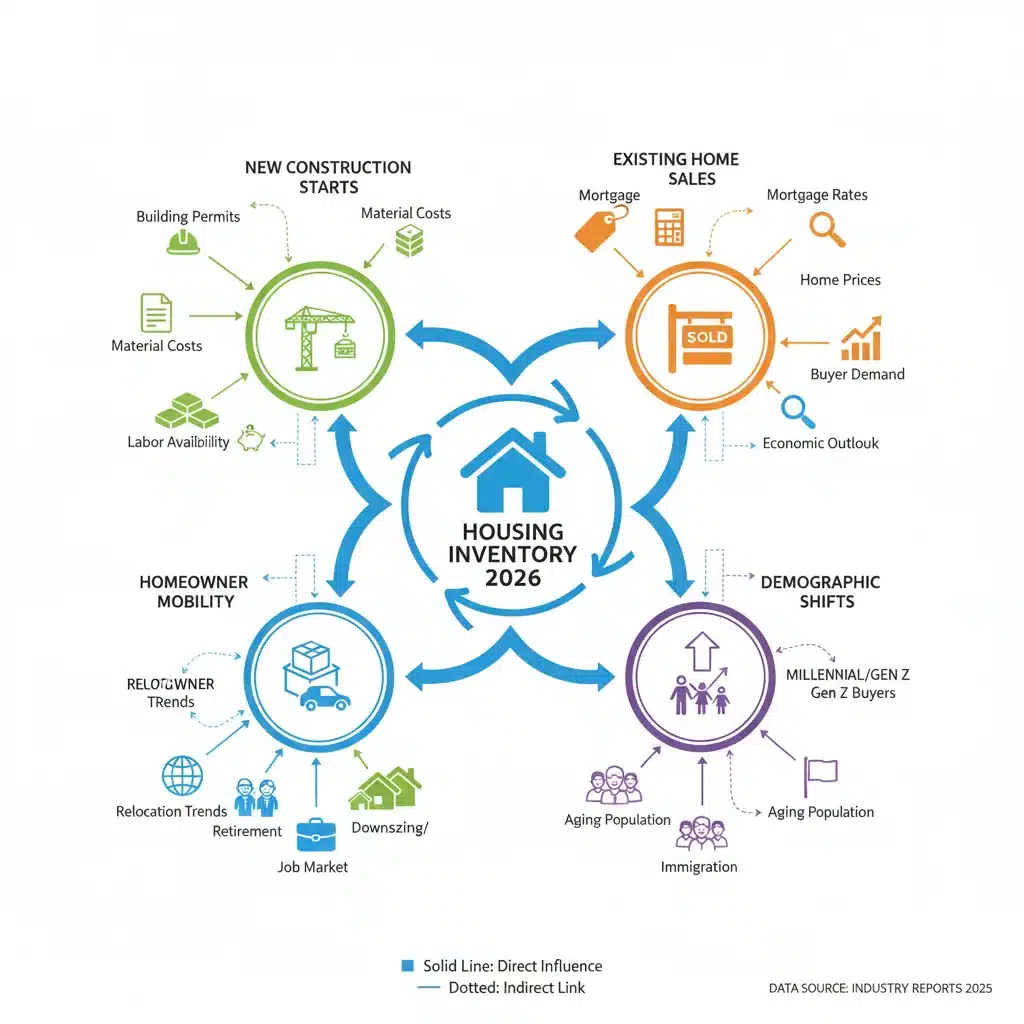
- New Construction: Homebuilders have been grappling with labor shortages, supply chain issues, and rising material costs. While new construction has picked up, it has not been enough to fully address the housing deficit accumulated over more than a decade. The pace of new builds in 2026 will be critical.
- Existing Home Sales: Many homeowners with historically low mortgage rates are reluctant to sell, fearing they will have to trade up to a much higher rate on a new property. This ‘lock-in effect’ reduces the number of existing homes coming onto the market. Unless interest rates significantly decline, this trend might persist into the US Housing Market 2026.
- Demographic Shifts: The millennial generation, the largest demographic cohort, is increasingly entering prime homebuying years. This sustained demand, coupled with aging baby boomers ‘aging in place,’ further constrains available inventory.
- Investor Activity: Institutional investors buying up single-family homes for rental purposes can also reduce the supply available for owner-occupants, particularly in certain markets.
The outlook for inventory in the US Housing Market 2026 is complex. While some moderation in demand due to affordability constraints might ease pressure, a significant surge in new listings (either from new construction or existing homeowners) is not a given. Builders may increase output, but the rate at which existing homeowners decide to sell will heavily depend on interest rate movements and overall economic confidence.
Even if inventory sees a modest increase, it may still not be enough to satisfy the pent-up demand, especially in highly desirable areas. This continued imbalance could mean that competitive bidding, though perhaps less frenzied than in peak pandemic years, could still be a feature of the US Housing Market 2026.
Interest Rates and Their Impact on the US Housing Market 2026
Mortgage interest rates are arguably the most significant short-term driver of housing market activity. Their trajectory between now and 2026 will heavily influence both affordability and demand. The Federal Reserve’s actions in response to inflation and economic growth will be paramount in shaping the interest rate environment for the US Housing Market 2026.
Interest Rate Projections
Forecasting interest rates is inherently challenging, but several scenarios are plausible for the US Housing Market 2026:
- Stabilization or Slight Decline: If inflation continues to moderate and the economy avoids a severe recession, the Federal Reserve might begin to ease its monetary policy, leading to a stabilization or even a slight decrease in mortgage rates from their recent highs. This would offer some relief to buyers and potentially encourage more sellers.
- Continued Volatility: Persistent inflation or unexpected economic shocks could lead to continued volatility in interest rates, making planning difficult for both buyers and sellers.
- Higher for Longer: If inflation proves more stubborn than anticipated, the Fed might keep rates elevated for an extended period, meaning the ‘higher for longer’ scenario for interest rates would continue to impact the US Housing Market 2026.
The level of interest rates directly impacts a buyer’s monthly mortgage payment. Even a small change in rates can significantly alter purchasing power and make a difference in whether a buyer can afford a particular home. Higher rates also affect homeowners with adjustable-rate mortgages or those looking to refinance, potentially leading to increased financial strain.
For the US Housing Market 2026, a stable and predictable interest rate environment, even if rates are not at their historical lows, would be beneficial. It allows buyers and sellers to plan with greater certainty, potentially unlocking some of the existing inventory as homeowners feel more confident about their next mortgage.
Regional Variations in the US Housing Market 2026
It’s crucial to remember that the US Housing Market 2026 is not a monolith. Trends and conditions will vary significantly from one region to another, and even within different metropolitan areas. What holds true for a booming tech hub might be entirely different for a rural community or a Rust Belt city.
Key Regional Dynamics to Watch
- Sun Belt Growth: States in the Sun Belt (e.g., Florida, Texas, Arizona, parts of the Carolinas) have experienced significant population migration and economic growth. While some of these markets have seen rapid appreciation, they may also be more susceptible to corrections if demand cools. However, sustained job growth and continued migration could keep these markets relatively robust in the US Housing Market 2026.
- Coastal Markets: High-cost coastal areas (e.g., California, Northeast cities) often exhibit resilience due to strong economies and limited land for new development. However, they are also typically the least affordable, and higher interest rates can exacerbate these challenges. Some urban centers might see a resurgence as hybrid work models become more established, but affordability remains a major hurdle.
- Midwest and Interior West: Many markets in the Midwest and Mountain West have historically offered greater affordability. These areas might continue to attract buyers seeking lower costs of living, potentially leading to steady, albeit perhaps slower, appreciation in the US Housing Market 2026.
- Rural vs. Urban: The pandemic spurred a temporary shift towards rural and suburban living. While some of this trend may persist, a return to office mandates and the appeal of urban amenities could see city centers regain some momentum. The balance between these preferences will impact local market dynamics.
Investors and homebuyers looking at the US Housing Market 2026 should perform granular research on specific local markets. Factors such as local job growth, population trends, available land for development, and local government policies will play a more significant role in determining success than broad national averages.
Technological Advancements and Their Role
Technology continues to reshape various industries, and real estate is no exception. In the US Housing Market 2026, we can expect technology to play an even more integrated role in how properties are bought, sold, and managed.
Emerging Tech Trends
- AI and Data Analytics: Artificial intelligence and advanced data analytics will become more sophisticated in predicting market trends, valuing properties, and identifying investment opportunities. This will provide agents, buyers, and sellers with more accurate and timely information.
- Virtual and Augmented Reality: Virtual tours and augmented reality applications will become standard, allowing prospective buyers to explore properties remotely with greater immersion. This can expand the reach of listings and streamline the initial stages of the buying process.
- Blockchain and Smart Contracts: While still in nascent stages for mainstream real estate, blockchain technology could potentially streamline transactions, reduce fraud, and lower costs by facilitating smart contracts for property transfers. Its widespread adoption in the US Housing Market 2026 is uncertain but worth monitoring.
- PropTech Innovations: Various property technology (PropTech) solutions, from smart home devices to property management platforms, will continue to enhance the living experience and operational efficiency of real estate.
These technological advancements will contribute to a more efficient and transparent US Housing Market 2026. They can empower consumers with better information, simplify complex processes, and potentially reduce some of the friction traditionally associated with real estate transactions.
Demographic Shifts and Their Long-Term Impact
Demographics are a powerful, slow-moving force that underpins long-term housing demand. The composition of the US population in 2026 will significantly influence housing needs and preferences.
Key Demographic Influences
- Millennial Homeownership: As mentioned, millennials are the largest generation and are increasingly reaching peak homebuying age. Their continued entry into the market will provide a strong baseline of demand for the US Housing Market 2026, particularly for starter homes and family-friendly properties.
- Gen Z Entry: The older segment of Generation Z will begin entering the housing market as renters and potentially first-time homebuyers. Their preferences for sustainability, technology, and potentially different housing types (e.g., co-living spaces, smaller footprints) could shape future development.
- Aging Population: The aging Baby Boomer generation will continue to influence the market. While some may downsize or move to retirement communities, many will ‘age in place,’ potentially keeping their homes off the market. This demographic also drives demand for accessible housing and communities with specific amenities.
- Migration Patterns: Domestic and international migration patterns will continue to shift population and demand to certain regions and away from others, exacerbating or alleviating housing pressures in different areas of the US Housing Market 2026.
Understanding these demographic shifts is crucial for anticipating demand in the US Housing Market 2026. Builders, developers, and policymakers need to align their strategies with these evolving population characteristics to ensure that the housing stock meets the needs of future generations.
Government Policies and Regulations
Government policies at federal, state, and local levels play a pivotal role in shaping the housing market. From zoning laws to tax incentives, these regulations can either alleviate or exacerbate housing challenges in the US Housing Market 2026.
Policy Areas to Monitor
- Zoning Reform: Many areas face restrictive zoning laws that limit density and new construction. Pressure for zoning reform to allow for more multi-family units and diverse housing types could increase, potentially easing inventory constraints in the US Housing Market 2026.
- Affordable Housing Initiatives: Federal and state governments may introduce or expand programs aimed at increasing affordable housing stock, providing down payment assistance, or offering rental subsidies. The effectiveness and scale of these programs will be critical.
- Interest Rate Policy: As discussed, the Federal Reserve’s monetary policy is a direct government influence on interest rates, with profound effects on the housing market.
- Taxation and Incentives: Changes to property taxes, mortgage interest deductions, or capital gains taxes on real estate could influence homeowner behavior and investor decisions.
The political climate and policy priorities leading up to and during 2026 will significantly impact the regulatory landscape for housing. Policies that encourage responsible development, support first-time homebuyers, and address systemic barriers to housing supply will be essential for fostering a healthier and more equitable US Housing Market 2026.
Economic Outlook and Its Influence
The broader economic environment is the bedrock upon which the housing market rests. Key economic indicators will heavily influence the stability and direction of the US Housing Market 2026.
Economic Factors to Consider
- GDP Growth: A strong and stable Gross Domestic Product (GDP) indicates a healthy economy, which generally supports job growth, consumer confidence, and housing demand.
- Employment Rates: Low unemployment and robust job creation are crucial for a thriving housing market. People need secure employment to afford homes and qualify for mortgages.
- Inflation: As previously mentioned, inflation impacts everything from construction costs to consumer purchasing power and interest rate policy. Controlling inflation will be key to a stable US Housing Market 2026.
- Consumer Confidence: When consumers feel optimistic about their financial future, they are more likely to make large purchases like homes. Economic uncertainty can lead to delayed homebuying decisions.
A resilient economy with sustained job growth and controlled inflation would provide a supportive backdrop for the US Housing Market 2026. Conversely, an economic downturn or prolonged period of high inflation could introduce significant headwinds, impacting both demand and affordability.
Predictions for the US Housing Market 2026: A Summary
Synthesizing all these factors, what can we realistically expect for the US Housing Market 2026?
- Continued Affordability Challenges: While price appreciation may slow, significant improvements in affordability are unlikely without substantial increases in supply or a notable decline in interest rates. First-time buyers will still face an uphill battle.
- Gradual Inventory Increase: New construction will likely continue to pick up, and some existing homeowners may enter the market if interest rates stabilize or slightly decline. However, a return to pre-pandemic inventory levels is not expected, meaning supply will remain relatively tight.
- Moderated Price Growth: The days of double-digit annual price growth are likely behind us. Expect more modest, single-digit appreciation, with some regional variations, as the market seeks a new equilibrium.
- Interest Rate Sensitivity: Mortgage rates will remain a critical variable. Even small shifts will have a significant impact on buyer behavior and market activity.
- Regional Divergence: The national average will mask considerable differences at the local level. Some markets will remain hot, others will cool, and some may even see slight price corrections.
The US Housing Market 2026 will likely be characterized by a continued rebalancing act. The extreme conditions of recent years are expected to moderate, but a return to a ‘normal’ housing market, as defined by historical averages, is still some way off. Buyers will need to be strategic, sellers realistic, and investors discerning.
Navigating the US Housing Market 2026: Advice for Stakeholders
Given these predictions, what should various stakeholders consider as they look towards the US Housing Market 2026?
For Prospective Homebuyers:
- Get Pre-Approved: Understand your true purchasing power in the current interest rate environment.
- Be Patient but Prepared: While the market may be less frenzied, good opportunities will still require swift action.
- Consider All Options: Explore different types of properties, neighborhoods, and even alternative financing options.
- Focus on Long-Term Value: Don’t get caught up in short-term market fluctuations. Buy a home that meets your needs and that you can comfortably afford for the long haul.
For Current Homeowners:
- Assess Equity: Understand your home’s current value and equity.
- Evaluate Refinancing Opportunities: Keep an eye on interest rates for potential refinancing if they decline.
- Consider Home Improvements: Smart upgrades can increase your home’s value if you plan to sell in 2026 or beyond.
For Real Estate Investors:
- Target Specific Markets: Focus on regions with strong job growth, favorable demographics, and landlord-friendly policies.
- Diversify Portfolios: Consider a mix of property types, from single-family rentals to multi-family units, depending on local market demand.
- Analyze Cash Flow: With potentially higher interest rates, ensuring strong cash flow will be more critical than ever.
For Real Estate Professionals:
- Specialize: Deep expertise in a particular niche or neighborhood will be invaluable.
- Leverage Technology: Utilize AI, data analytics, and virtual tools to enhance client services.
- Educate Clients: Provide clear, data-driven insights to help clients navigate a complex market.
The US Housing Market 2026 will demand adaptability and informed decision-making from all participants. While challenges like affordability and inventory persist, a more stable and predictable environment could emerge, offering new opportunities for those prepared to seize them.
Conclusion
The US Housing Market 2026 is poised for a period of continued adjustment and rebalancing. While the extreme conditions of the early 2020s are likely to subside, fundamental challenges related to affordability and inventory will remain prominent. Interest rate movements, economic performance, and regional dynamics will all play significant roles in shaping the landscape.
For those looking to engage with the housing market in 2026, a nuanced understanding of these factors, coupled with localized research and expert guidance, will be essential for success. The market may not offer the rapid gains seen in previous years, but it will continue to present opportunities for those who approach it with strategy and foresight. As the nation moves towards 2026, the housing market will reflect the broader economic and social narratives of the time, emphasizing resilience, adaptation, and the enduring quest for homeownership.