New EPA Regulations 2026: Impact on US Manufacturing & Compliance
New EPA Regulations 2026: What US Manufacturing Needs to Know by Q3
The landscape of environmental compliance for US manufacturing is on the cusp of a significant shift. The Environmental Protection Agency (EPA) is poised to roll out a series of new regulations in 2026 that are anticipated to have a profound impact across various industrial sectors. For manufacturers, understanding and preparing for these changes by Q3 of 2026 will not just be a matter of compliance, but a strategic imperative for sustained operation and competitive advantage. This comprehensive guide delves into the specifics of the upcoming EPA Regulations 2026, outlining what businesses need to know, how to mitigate risks, and what opportunities might emerge from these pivotal changes.
Understanding the Scope of New EPA Regulations 2026
The upcoming EPA Regulations 2026 represent a concerted effort by the agency to address pressing environmental concerns, including climate change, air and water quality, and waste management. While the full suite of regulations is still being finalized, preliminary announcements and proposals indicate a broad scope that will touch upon several key areas of manufacturing operations. These regulations are not merely incremental adjustments; many are designed to introduce more stringent standards, enhance reporting requirements, and accelerate the adoption of cleaner technologies.
Key Areas of Focus for the 2026 Regulations
Manufacturers should pay close attention to several domains where the EPA is expected to introduce significant changes:
- Emissions Standards: Expect stricter limits on greenhouse gas emissions, volatile organic compounds (VOCs), and hazardous air pollutants (HAPs). This could necessitate upgrades to existing pollution control equipment, adoption of new process technologies, or even a re-evaluation of raw material inputs. The focus will likely be on sectors identified as major contributors to atmospheric pollution.
- Water Discharge Permitting: Revisions to National Pollutant Discharge Elimination System (NPDES) permits are anticipated, potentially including lower discharge limits for certain pollutants, expanded monitoring requirements, and increased scrutiny of industrial wastewater treatment processes. Industries with significant water usage and discharge will feel this impact most acutely.
- Waste Management and Recycling: The EPA is increasingly emphasizing a circular economy approach. New regulations might include mandates for waste reduction, increased recycling targets, and stricter rules for the disposal of industrial byproducts and hazardous waste. This could drive innovation in materials management and resource recovery.
- Chemical Management: Further restrictions on the use and handling of certain chemicals, especially those identified as ‘forever chemicals’ (PFAS) or other persistent organic pollutants, are highly probable. Manufacturers using these substances in their processes will need to explore alternatives and ensure safe handling and disposal protocols.
- Environmental Justice: A growing focus on environmental justice means that facilities located in or near overburdened communities may face additional scrutiny and potentially more stringent requirements to reduce their environmental footprint and engage with local stakeholders.
These areas collectively underscore a strategic pivot towards a more sustainable and environmentally responsible industrial future. Businesses that proactively adapt to these changes will be better positioned for long-term success.
The Timeline: Why Q3 2026 is Critical
While the effective dates for the new EPA Regulations 2026 may vary by specific rule, the third quarter of 2026 is emerging as a crucial benchmark for manufacturing industries. This timeframe suggests that many of the significant provisions will either become enforceable or require substantial preparatory actions by this point. The EPA typically provides a window for public comment and industry adjustment, but the complexity and potential scope of these regulations mean that lead time is paramount.
What Happens by Q3 2026?
- Implementation Deadlines: Many regulations will have phased implementation. By Q3 2026, critical milestones for compliance, such as initial reporting, new equipment installation, or process modifications, are expected to be in full swing or nearing completion.
- Increased Enforcement: As regulations become effective, the EPA’s enforcement activities will naturally intensify. Manufacturers not in compliance by Q3 2026 risk significant penalties, fines, and reputational damage.
- Supply Chain Implications: The impact will ripple through supply chains. Suppliers and partners will also need to adjust, potentially affecting material availability, costs, and lead times. Understanding these upstream and downstream effects by Q3 2026 will be vital for maintaining operational continuity.
- Market Shifts: Consumer and investor preferences are increasingly aligning with sustainable practices. Companies that demonstrate early compliance and commitment to environmental stewardship by Q3 2026 could gain a significant market advantage.
Procrastination is not an option. Manufacturers must begin their assessment and planning processes now to ensure a smooth transition into the new regulatory environment.
Impact on US Manufacturing Sectors
The impact of the new EPA Regulations 2026 will not be uniform across all manufacturing sectors. Industries with historically high environmental footprints or those heavily reliant on processes targeted by the EPA will experience the most significant changes.
Highly Affected Industries
- Chemical Manufacturing: This sector is likely to face intensified scrutiny regarding chemical production, usage, storage, and waste. New restrictions on specific chemicals and increased reporting could lead to significant process overhauls and product reformulations.
- Metals and Mining: Emissions from smelting, refining, and other metallurgical processes, alongside water discharge from mining operations, are prime targets. Stricter limits on heavy metals and air pollutants will require substantial investment in control technologies.
- Pulp and Paper: Water usage, wastewater treatment, and air emissions from pulp and paper mills are under constant environmental review. The new regulations could mandate advanced treatment technologies and further reduce permissible discharge levels.
- Automotive and Aerospace: While often leaders in adopting cleaner technologies, these sectors still have considerable environmental footprints, particularly in their supply chains and manufacturing processes involving painting, coating, and material finishing. Emissions from these processes and waste management will be key areas of focus.
- Food and Beverage Processing: Water consumption, wastewater discharge, and organic waste management are critical environmental aspects of this industry. New regulations might push for more efficient water use and advanced wastewater treatment.
Even industries not listed here should conduct a thorough internal review, as the broader implications of these regulations can extend beyond direct operational impacts.
Strategies for Compliance and Beyond
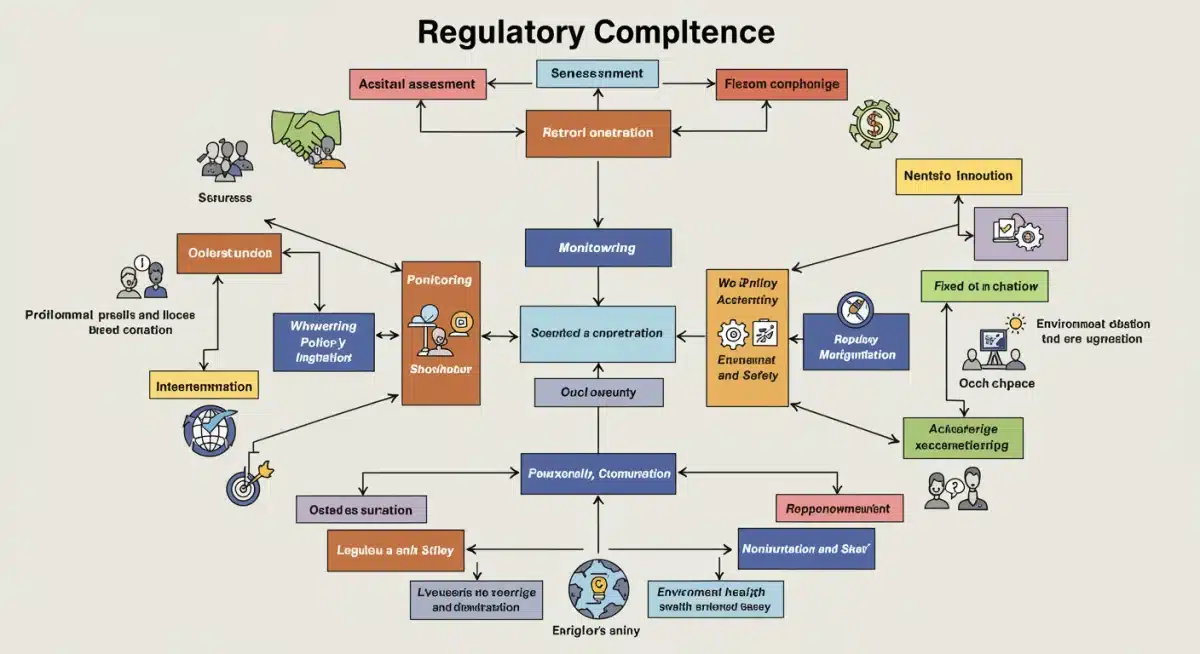
Navigating the new EPA Regulations 2026 requires a proactive, multi-faceted approach. Compliance should be viewed not as a burden, but as an opportunity for innovation, efficiency gains, and enhanced corporate responsibility.
1. Conduct a Comprehensive Regulatory Assessment
The first step is to understand exactly how the new regulations will apply to your specific operations. This involves:
- Detailed Review: Engage legal and environmental experts to review the proposed and finalized regulations as they become available. Translate the regulatory language into practical implications for your facility.
- Gap Analysis: Compare your current environmental performance and practices against the anticipated new standards. Identify specific areas where your operations will fall short.
- Risk Assessment: Evaluate the potential financial, operational, and reputational risks associated with non-compliance.
2. Invest in Technology and Infrastructure
Many of the new regulations will necessitate technological upgrades:
- Pollution Control Equipment: Invest in advanced air scrubbers, wastewater treatment systems, and emission monitoring technologies.
- Process Optimization: Explore cleaner production methods, resource efficiency improvements, and waste minimization techniques. This could involve adopting new manufacturing processes or re-engineering existing ones.
- Renewable Energy: Transitioning to renewable energy sources can significantly reduce greenhouse gas emissions, aligning with climate-focused regulations.
3. Enhance Data Collection and Reporting
Increased regulatory scrutiny often comes with enhanced reporting requirements. Manufacturers should:
- Implement Robust Monitoring Systems: Ensure accurate and continuous monitoring of emissions, discharges, and waste generation.
- Digitalize Data Management: Utilize software solutions for environmental data management, reporting, and compliance tracking. This can streamline processes and reduce the risk of errors.
- Train Personnel: Ensure that staff responsible for data collection and reporting are thoroughly trained on new requirements and technologies.
4. Supply Chain Engagement
The environmental footprint of a product often extends far beyond the manufacturing facility. Engage with your supply chain:
- Supplier Audits: Assess your suppliers’ environmental performance and their readiness for the new regulations.
- Collaborative Solutions: Work with suppliers to develop more sustainable materials, processes, and logistics.
- Contractual Clauses: Incorporate environmental compliance requirements into supplier contracts to ensure shared responsibility.
5. Stakeholder Communication and Engagement
Transparency and proactive communication are crucial:
- Internal Communication: Keep employees informed about the new regulations and their role in compliance.
- Community Relations: For facilities in environmental justice areas, engage with local communities to understand concerns and communicate efforts to mitigate environmental impacts.
- Investor Relations: Communicate your sustainability efforts and compliance strategies to investors, who are increasingly valuing ESG (Environmental, Social, and Governance) performance.
Opportunities Arising from EPA Regulations 2026
While the immediate focus for many manufacturers will be on compliance costs and operational adjustments, the EPA Regulations 2026 also present significant opportunities for forward-thinking businesses.
1. Innovation and Competitive Advantage
Companies that embrace the spirit of the regulations can:
- Develop New Products and Services: The demand for greener products and sustainable solutions will grow. Manufacturers who innovate in this space can capture new markets.
- Enhance Brand Reputation: Demonstrating strong environmental stewardship can differentiate a company in the marketplace, attracting environmentally conscious consumers and top talent.
- Process Efficiencies: Investments in cleaner technologies often lead to greater operational efficiencies, reduced waste, and lower resource consumption, ultimately cutting long-term costs.
2. Access to Green Financing and Incentives
Governments and financial institutions are increasingly offering incentives for sustainable practices:
- Grants and Tax Credits: Many federal and state programs offer financial support for adopting renewable energy, pollution control, and energy efficiency measures.
- Green Bonds and Loans: Access to capital at preferential rates for projects with clear environmental benefits.

3. Improved Employee Morale and Retention
Employees, particularly younger generations, are often motivated by working for companies with strong ethical and environmental commitments. A proactive approach to environmental responsibility can:
- Boost Morale: Foster a sense of pride and purpose among the workforce.
- Attract Talent: Make the company a more desirable employer for skilled professionals who prioritize sustainability.
The Role of Digital Transformation in Compliance
Digital transformation will play a pivotal role in helping US manufacturing adapt to the EPA Regulations 2026. The ability to collect, analyze, and report environmental data accurately and efficiently will be critical.
Key Digital Tools and Strategies
- IoT Sensors and Predictive Analytics: Deploying Internet of Things (IoT) sensors can provide real-time data on emissions, energy consumption, and water usage. Predictive analytics can help identify potential compliance issues before they occur, allowing for proactive intervention.
- Environmental Management Information Systems (EMIS): These integrated software platforms can centralize all environmental data, streamline reporting, manage permits, and track compliance tasks. An EMIS can significantly reduce the administrative burden of regulatory adherence.
- Artificial Intelligence (AI) and Machine Learning (ML): AI and ML can be used to optimize production processes for reduced environmental impact, identify patterns in environmental data that might indicate inefficiencies or non-compliance, and even predict the effectiveness of different pollution control strategies.
- Blockchain for Supply Chain Transparency: While nascent, blockchain technology could offer unprecedented transparency in tracking materials and products through the supply chain, verifying their environmental attributes and ensuring ethical sourcing.
- Digital Twins: Creating digital twins of manufacturing facilities can allow companies to simulate the impact of process changes or new equipment on environmental performance before implementing them physically, saving time and resources.
Embracing these digital solutions is not just about compliance; it’s about building a more resilient, efficient, and future-proof manufacturing operation.
Navigating Potential Challenges
While opportunities abound, manufacturers must also be prepared to navigate potential challenges associated with the EPA Regulations 2026.
Financial Burden
The cost of new equipment, process modifications, and increased monitoring can be substantial. Small and medium-sized enterprises (SMEs) may find these costs particularly challenging. It is crucial for businesses to explore all available government grants, tax incentives, and financing options to ease this burden.
Technological Adoption
Implementing new technologies and processes requires technical expertise and often significant training for the workforce. Companies may need to invest in upskilling their existing employees or hiring new talent with specialized environmental and engineering backgrounds.
Operational Disruptions
Major overhauls of production lines or the installation of new pollution control systems can lead to temporary operational disruptions. Careful planning, phased implementation, and robust project management will be essential to minimize downtime and maintain production schedules.
Regulatory Complexity and Uncertainty
The sheer volume and complexity of new regulations can be daunting. Furthermore, the regulatory landscape can evolve, requiring continuous monitoring and adaptation. Engaging with industry associations and legal counsel specializing in environmental law can help businesses stay informed and interpret requirements accurately.
Conclusion: Preparing for a Sustainable Future
The new EPA Regulations 2026 represent a critical juncture for US manufacturing. While they undoubtedly present challenges, they also lay the groundwork for a more sustainable, efficient, and competitive industrial sector. By Q3 2026, manufacturers who have proactively assessed their operations, invested in cleaner technologies, enhanced their data management, and engaged effectively with their stakeholders will be well-positioned not just for compliance, but for long-term growth and leadership in a rapidly evolving global economy.
The time to act is now. Embrace these changes as an impetus for innovation and transformation, ensuring your manufacturing operations are not only compliant but also contribute positively to a healthier environment and a more sustainable future for all.