

The Evolving Role of Community Colleges: New Pathways to Degrees and Careers by 2026
The landscape of higher education is in constant flux, but few institutions are undergoing as profound a transformation as community colleges. Often seen as stepping stones or vocational hubs, their role is rapidly expanding and diversifying. By 2026, the community college evolution will have redefined their significance, offering innovative pathways to degrees and careers that are more responsive, accessible, and relevant than ever before. This article delves into the anticipated shifts, exploring how these vital institutions are preparing to meet the demands of a dynamic global economy and an increasingly diverse student body.
For decades, community colleges have served as pillars of local communities, providing affordable education and essential workforce training. However, the accelerating pace of technological change, coupled with evolving labor market needs, necessitates a fundamental rethinking of their mission. The traditional model is giving way to a more agile, interconnected, and student-centric approach. We are witnessing a paradigm shift where community colleges are becoming proactive architects of future workforces, not just reactors to current demands. The focus is shifting from simply providing access to education to ensuring successful, sustainable career outcomes for all students. This proactive stance is crucial for the continued relevance and impact of these institutions.
Adapting to the Future Workforce: Key Drivers of Change
Several powerful forces are driving the community college evolution towards 2026. Automation, artificial intelligence, and globalization are reshaping industries, creating new job categories while rendering others obsolete. This necessitates a continuous cycle of upskilling and reskilling for the adult population, a role perfectly suited for the flexibility and responsiveness of community colleges. Furthermore, the rising cost of four-year universities makes community colleges an increasingly attractive and financially viable option for students seeking quality education without incurring crippling debt.
Demographic shifts also play a significant role. Community colleges often serve a diverse student population, including first-generation students, working adults, veterans, and individuals from underrepresented backgrounds. Their ability to provide flexible scheduling, personalized support, and culturally relevant curricula is paramount to addressing educational equity and fostering social mobility. By 2026, these institutions will be even more adept at catering to these varied needs, ensuring that education is not a privilege, but an accessible right for all who seek it.
The Rise of Micro-Credentials and Stackable Programs
One of the most significant changes in the community college evolution is the proliferation of micro-credentials and stackable programs. Traditional two-year associate degrees remain valuable, but employers are increasingly looking for specific, in-demand skills that can be acquired quickly. Micro-credentials, such as digital badges or certifications in areas like cybersecurity, data analytics, or advanced manufacturing, offer targeted training that can be completed in weeks or months. These credentials can then be ‘stacked’ together, building towards an associate degree or even transferring to a four-year institution. This modular approach provides students with immediate employability while allowing them to continue their education at their own pace.
This shift reflects a growing recognition that not all learning needs to culminate in a traditional degree. For many, a focused certification can unlock immediate career opportunities. Community colleges are uniquely positioned to deliver these agile learning experiences, partnering directly with industry to ensure that the skills taught are directly aligned with employer needs. This responsiveness is a hallmark of the future-ready community college, making them indispensable partners in workforce development. The ability to quickly adapt and offer relevant, bite-sized learning opportunities will be a defining characteristic of their success by 2026.
Enhanced Industry Partnerships and Apprenticeships
The future of community colleges is deeply intertwined with robust industry partnerships. By 2026, these collaborations will move beyond advisory boards to encompass fully integrated programs, co-designed curricula, and expanded apprenticeship opportunities. Employers will play a more direct role in shaping educational offerings, ensuring that graduates possess the precise skills required for entry-level and mid-level positions. This symbiotic relationship benefits both students, who gain practical experience and clear career pathways, and businesses, who access a pipeline of skilled talent.
Apprenticeships, once largely confined to trades, are expanding into white-collar professions and high-tech fields. Community colleges are becoming central hubs for these programs, combining classroom instruction with on-the-job training. This model allows students to earn while they learn, reducing financial barriers and providing invaluable real-world experience. The expansion of these earn-and-learn models is a critical component of the community college evolution, bridging the gap between education and employment more effectively than ever before.
Personalized Learning and Student Support Systems
Recognizing the diverse needs of their student population, community colleges are investing heavily in personalized learning approaches and comprehensive student support systems. By 2026, AI-powered advising tools, adaptive learning platforms, and virtual tutoring will be commonplace, tailoring educational experiences to individual learning styles and paces. These technologies will augment, not replace, human interaction, allowing faculty and advisors to focus on high-impact mentoring and intervention.
Furthermore, holistic support services will extend beyond academics to address students’ broader needs, including childcare, transportation, mental health counseling, and financial literacy. Many community colleges are becoming ‘one-stop shops’ for student success, understanding that external factors can significantly impact academic performance. This commitment to holistic student well-being is a core tenet of the community college evolution, ensuring that students have every opportunity to thrive both inside and outside the classroom.
Leveraging Technology for Enhanced Accessibility and Engagement
Technology will continue to be a cornerstone of the community college evolution. Beyond personalized learning, virtual reality (VR) and augmented reality (AR) are transforming vocational training, offering immersive and safe environments for students to practice complex skills. Imagine future nurses practicing delicate procedures in a VR operating room or automotive technicians troubleshooting engines in an AR-enhanced lab. These technologies provide hands-on experience without the risks or costs associated with real-world equipment.
Online and hybrid learning models, accelerated by recent global events, will become even more sophisticated and prevalent. Community colleges will master the art of delivering high-quality, engaging digital instruction, making education accessible to individuals who cannot attend traditional on-campus classes due to work, family, or geographic constraints. The seamless integration of technology will not only enhance accessibility but also foster a more dynamic and interactive learning environment.

The strategic deployment of these advanced technologies isn’t just about convenience; it’s about leveling the playing field. For students in rural areas or those with limited mobility, robust online programs can unlock educational opportunities previously out of reach. For working professionals, flexible hybrid options mean they can upskill without interrupting their careers. This commitment to equitable access through technological innovation is a defining characteristic of the evolving community college by 2026, ensuring that education remains a pathway for all, regardless of their circumstances.
Expanding Transfer Pathways and Bachelor’s Degree Options
While often seen as two-year institutions, community colleges are increasingly expanding their role in offering bachelor’s degrees, particularly in high-demand technical and applied fields. This trend, already gaining momentum, will solidify by 2026, providing more affordable and localized options for students to complete a four-year degree. These bachelor’s degrees are typically career-focused, designed to meet specific regional workforce needs, and often build directly upon existing associate degree programs.
Concurrently, transfer pathways to four-year universities will become even more streamlined and guaranteed. Articulation agreements will be strengthened, ensuring that credits earned at a community college seamlessly transfer, minimizing loss of time and tuition. This dual approach—offering more bachelor’s degrees directly and facilitating smoother transfers—underscores the growing versatility and comprehensive nature of the community college evolution, solidifying their position as integral components of the broader higher education ecosystem.
Community Colleges as Economic Development Engines
By 2026, community colleges will be widely recognized as primary drivers of regional economic development. Their ability to rapidly respond to local industry needs, train a skilled workforce, and foster innovation makes them indispensable partners for businesses, local governments, and economic development agencies. They will serve as incubators for small businesses, providers of customized training for existing companies, and catalysts for attracting new industries to their regions.
This role extends beyond simply training individuals. Community colleges are increasingly engaging in applied research, collaborating with local businesses to solve real-world problems and develop new technologies. This entrepreneurial spirit and direct engagement with the economic health of their communities positions them as vital strategic assets, far beyond their traditional educational function. The community college evolution sees them as central to building resilient, competitive local economies.
Addressing Equity and Inclusivity
A core commitment of the evolving community college is to address systemic inequities and promote inclusivity. By 2026, these institutions will have deepened their efforts to dismantle barriers to education and success for marginalized populations. This includes culturally responsive teaching practices, accessible facilities and technologies, and support services tailored to the unique challenges faced by diverse student groups.
Furthermore, community colleges are increasingly taking on a leadership role in fostering civic engagement and promoting social justice within their communities. They are spaces where diverse perspectives are welcomed, critical thinking is encouraged, and students are empowered to become active, informed citizens. This commitment to equity and community betterment is not just an add-on; it is an intrinsic part of the community college evolution, ensuring that their impact is felt far beyond individual student outcomes.
Challenges and Opportunities Ahead
The ambitious vision for the community college evolution is not without its challenges. Funding remains a perennial concern, requiring innovative approaches to secure resources for new programs, technologies, and student support services. Additionally, attracting and retaining highly skilled faculty who can teach cutting-edge subjects while also connecting with diverse student populations will be critical.
However, the opportunities far outweigh the challenges. The flexibility and adaptability inherent in the community college model position them perfectly to navigate the complexities of the 21st century. Their ability to innovate quickly, form deep community partnerships, and prioritize student success makes them uniquely suited to address the evolving educational and workforce needs of the nation. By embracing these changes, community colleges can solidify their role as essential pathways to prosperity and opportunity for millions.
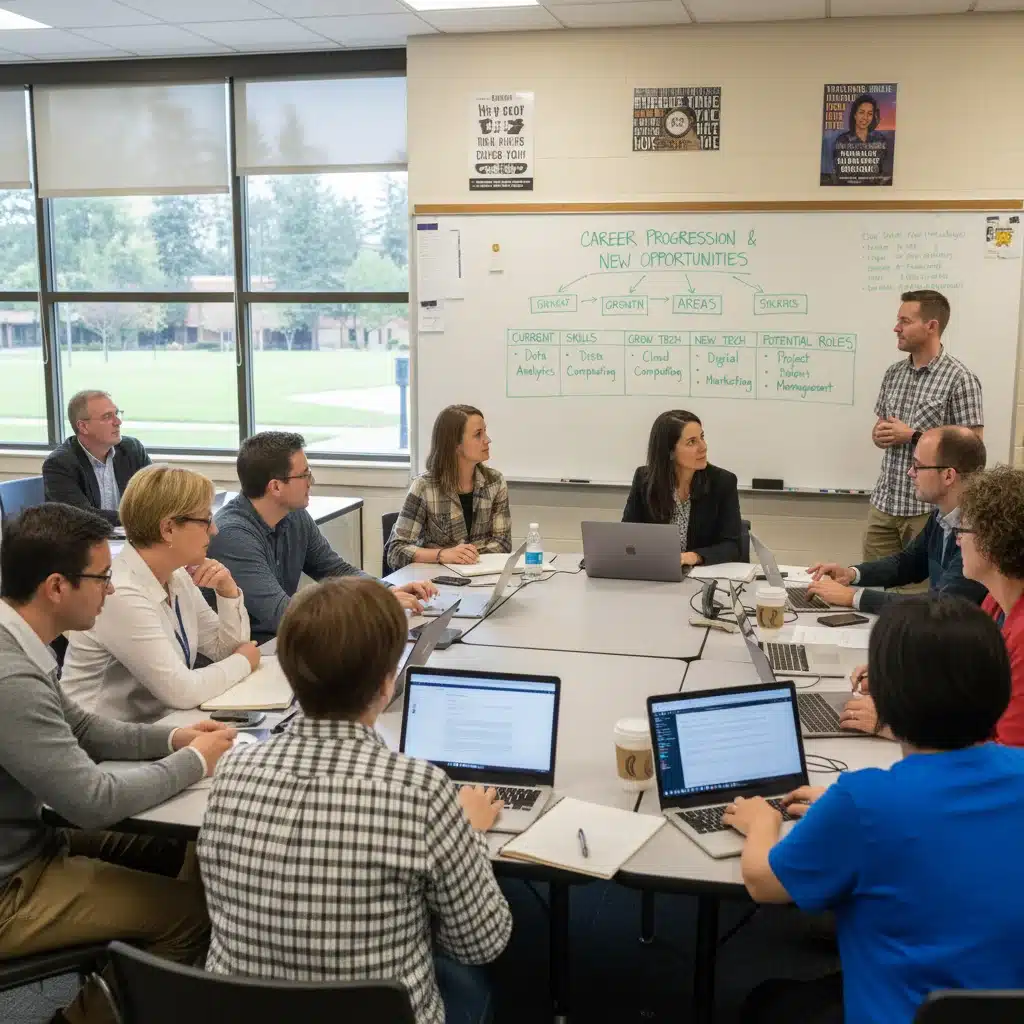
The ongoing commitment to continuous improvement and strategic foresight will be paramount for community colleges. As the world continues to change at an unprecedented rate, these institutions must remain nimble, constantly evaluating their programs and services to ensure they remain relevant and impactful. This proactive stance, coupled with a deep understanding of community needs, will be the bedrock of their success in 2026 and beyond. The future success of individuals and regional economies will increasingly depend on the strength and adaptability of these vital educational hubs.
The Global Context: Learning from International Models
The community college evolution is not happening in isolation. Institutions are increasingly looking to international models of vocational and technical education for inspiration and best practices. Countries with robust dual education systems, where students combine academic study with extensive workplace training, offer valuable insights into strengthening industry partnerships and apprenticeship programs. By studying successful models from Germany, Switzerland, and other nations, community colleges can refine their approaches to preparing students for global competitiveness.
Furthermore, the increasing globalization of the workforce means that community colleges must prepare students not only for local jobs but also for roles within international companies or even opportunities abroad. This might involve incorporating global competencies into curricula, fostering foreign language skills, or developing partnerships with international educational institutions. The future-ready community college will have a global perspective, ensuring its graduates are equipped to thrive in an interconnected world.
Conclusion: Community Colleges as Beacons of Opportunity
By 2026, community colleges will have firmly established themselves as dynamic, indispensable institutions at the forefront of education and workforce development. Their community college evolution will be marked by innovative program offerings, deep industry integration, personalized student support, and a steadfast commitment to equity and accessibility. They will be more than just places of learning; they will be economic engines, community hubs, and beacons of opportunity for individuals seeking to build meaningful careers and contribute to a thriving society.
The journey ahead is exciting, promising a future where community colleges are recognized not just for their affordability, but for their unparalleled ability to adapt, innovate, and empower. As we look towards 2026, the evolving role of community colleges will be central to building a more skilled, resilient, and equitable future for all.