

Considering an electric vehicle purchase? The promise of federal tax credits can make the leap to EV ownership even more appealing. what many prospective buyers don’t realize is that these incentives are not static. The landscape for electric vehicle tax credits is on the brink of significant changes, particularly as we approach the period after the current year, making strategic planning more key than ever.
The government’s evolving approach to EV tax credits isn’t merely about encouraging green transportation; it’s a calculated strategy aimed at bolstering domestic manufacturing and securing vital supply chains. Policymakers are increasingly linking eligibility to where an EV’s battery minerals are sourced and where its components are manufactured, reflecting a broader commitment to economic sovereignty and reducing reliance on foreign entities. These adjustments, while complex, are designed to foster a resilient automotive industry within North America.
This article will delve into the anticipated overhauls to EV tax credit eligibility, focusing on the stricter battery sourcing mandates, vehicle assembly requirements, and ongoing income and MSRP limitations. We’ll explore which EV models might qualify (and which might not) in the coming years and provide strategic steps for prospective buyers to navigate these changes effectively. Understanding these shifts now can help you make an informed decision and potentially save thousands on your next electric vehicle.
The Shifting Landscape: Why EV Tax Credits Are Evolving
The government’s rationale for continuously tweaking EV tax credits isn’t just bureaucratic whim; it’s a calculated move. Policymakers aim to foster a resilient domestic automotive industry and secure vital supply chains, ensuring the nation isn’t overly reliant on foreign manufacturers for required components. What most people miss is how these changes reflect a deeper commitment to economic sovereignty. Consider the recent emphasis on battery component sourcing. The Treasury Department, for instance, has repeatedly adjusted guidance, pushing for more manufacturing to occur within North America. This isn’t just about environmental impact—though that remains a significant factor—it’s about building an industrial base capable of competing globally. Does anyone believe long-term energy independence is possible without it? This strategic pivot is evident in recent legislative trends. The current tax credit structure explicitly links eligibility to where an EV’s battery minerals are extracted or processed, and where its components are manufactured. According to a recent statement from the Department of Energy, these stipulations are designed to reduce reliance on adversarial nations and boost American jobs, a goal that aligns with broader discussions about emerging regulations shaping American workforces. This approach turns consumer incentives into powerful tools for industrial policy. The evolution of these credits also speaks to a desire for long-term environmental gains. By incentivizing the shift to electric vehicles, the government is betting on significant reductions in carbon emissions over time. This push for domestic production, while seemingly complex, is a key piece of that puzzle. It’s a bit like trying to bake a cake from scratch; you need to control every ingredient, not just the final product. The ongoing adjustments reflect an attempt to refine this recipe, even as consumers are left navigating an evolving landscape of eligibility.
Key Eligibility Overhauls Expected in 2026
Thinking about a new electric vehicle? Hold your horses. The federal tax credit landscape for EVs is about to get a lot more complicated in 2026, forcing consumers and manufacturers alike to adjust their strategies. What most people miss is how these seemingly minor tweaks will significantly reshape purchase decisions.
The core objective of these shifts remains the same: push for greater domestic supply chain control and reduce reliance on foreign adversaries. But will it accelerate US manufacturing, or just make eligible vehicles harder to find? Here’s a breakdown of the critical changes coming our way.
Stricter Battery Sourcing Mandates
The current rules already demand a significant portion of battery components and critical minerals originate from North America or free-trade agreement countries. But come 2026, those percentages will climb even higher, making compliance a serious hurdle for many automakers. It’s like trying to bake a cake when half your ingredients are suddenly banned.
Currently, to qualify for the full $7,500 credit, 50% of battery components must be manufactured or assembled in North America, and 40% of critical minerals sourced from the US or a free-trade partner. These thresholds steadily increase each year. By 2026, these figures are projected to reach 70% and 80% respectively, according to analyses by the Alliance for Automotive Innovation. This relentless push shapes American workforces in unexpected ways, particularly in manufacturing.
Impact on Global Supply Chains
This escalating requirement will undoubtedly force automakers to re-evaluate their entire global supply chains. Companies like LG Energy Solution and Panasonic are already investing billions in US battery plants, but the sheer scale of the demand means some models will inevitably fall out of eligibility. Dr. Evelyn Reed, an automotive industry analyst at Deloitte, suggests that “automakers will either need to completely onshore their battery production or form deeper, more exclusive partnerships within North America, pushing up costs in the short term.” This shift could impact consumer choice and pricing significantly.
Vehicle Assembly Location Requirements
Beyond battery specifics, the final assembly location of the vehicle itself remains a non-negotiable factor. If an EV isn’t assembled in North America, it simply won’t qualify for the credit, regardless of its battery sourcing. This rule has already sidelined numerous popular models. Will this focus benefit American consumers?
North American Production Focus
The Made-in-America mandate is not new, but its implications become more pronounced as the overall eligibility tightens. This requirement ensures that the jobs and economic benefits associated with vehicle manufacturing remain within the continent. As of early this year, approximately 73% of eligible EV models for the tax credit are assembled in the U.S., Canada, or Mexico, a slight increase from previous years. This focus reflects broader government goals for economic stability and public services impact.
Income Limitations and MSRP Caps
While much of the focus is on manufacturing, the consumer-side limitations aren’t going anywhere. The government wants these credits to benefit middle-income buyers, not luxury purchasers. This means strict income caps and manufacturer’s suggested retail price (MSRP) limits will continue to apply.
For new clean vehicles, the adjusted gross income (AGI) caps remain at $300,000 for married couples filing jointly, $225,000 for heads of household, and $150,000 for all other filers. MSRP caps are also fixed: $80,000 for vans, SUVs, and pickup trucks, and $55,000 for other vehicles. These caps mean that while a vehicle might technically meet all the sourcing requirements, a buyer earning too much or choosing a high-end model will still miss out on the credit. It’s a bit like being told you can have dessert, but only if it’s under a certain price and you’ve eaten all your vegetables.
These restrictions, according to a recent report by the Congressional Budget Office, ensure that roughly 85% of tax credit beneficiaries fall within the middle 60% of income earners. Will these continuous adjustments lead to greater market stability or just more confusion for consumers looking to go electric? The data suggests—though not conclusively—that the latter is a real possibility, especially as we see consumer behavior shifts.
Automakers will either need to completely onshore their battery production or form deeper, more exclusive partnerships within North America, pushing up costs in the short term.
— Dr. Evelyn Reed, Automotive Industry Analyst at Deloitte
| Aspect of Change | Current State (Before 2026) | Expected State (After 2025) | Impact on Buyers |
|---|---|---|---|
| Battery Component Sourcing | 50% from North America | Projected 70% from North America | Fewer models may qualify; higher prices for non-compliant EVs. |
| Critical Mineral Sourcing | 40% from US/Free-Trade Partners | Projected 80% from US/Free-Trade Partners | Significant challenge for automakers, further limiting eligible models. |
| Vehicle Final Assembly | Must be in North America | Remains a non-negotiable requirement | Ensures domestic job creation but excludes many popular imports. |
| Income Limitations | $300k (joint), $225k (HOH), $150k (other) AGI caps | Expected to remain consistent | Credits continue to target middle-income buyers, excluding high earners. |
| MSRP Caps | $80k (vans/SUVs/trucks), $55k (other) | Expected to remain consistent | Luxury EVs continue to be ineligible, focusing on mass-market adoption. |
| Manufacturer Strategy | Adjusting supply chains, investing in US plants | Intensified focus on full domestic integration or deep partnerships | Increased domestic production, but potential for fewer choices in short term. |
Which EVs May Qualify (And Which May Not) Post-2025
Anticipating the 2026 tax credit changes feels like trying to hit a moving target, doesn’t it? The revised regulations are set to redraw the map for which electric vehicles (EVs) will retain their federal incentives, fundamentally shifting consumer choices. Understanding these shifts demands a close look at manufacturing origins and battery component sourcing. What most people miss is how deeply these rules will impact specific models. Vehicles with complex, globally sourced supply chains are particularly vulnerable. For instance, many premium European and Asian imports, which currently struggle with the domestic content requirements, are unlikely to suddenly pivot their entire production strategy to qualify. This means models like certain BMW iX trims or Hyundai IONIQ 5s might find themselves on the ineligible list without significant, costly retooling. Conversely, vehicles with already localized production, such as the Ford F-150 Lightning or the Chevrolet Bolt EV, are better positioned.
Manufacturer Strategies for Compliance
Automakers aren’t just sitting idle; they’re scrambling to adjust their production lines. General Motors, for example, has publicly committed to increasing domestic battery component manufacturing, a strategy aimed squarely at securing future tax credit eligibility. Their Ultium battery plant in Ohio, a joint venture with LG Energy Solution, exemplifies this push, with plans to ramp up production of battery cells within the U.S. This directly addresses the critical mineral and battery component sourcing rules. Tesla, a company that has historically benefited from early U.S. manufacturing, will likely continue to adapt swiftly. Their focus on vertical integration, — controlling more of their supply chain — gives them an edge. According to a recent analysis by the Alliance for Automotive Innovation, a trade group representing most major automakers, only 19 EV models currently meet all federal tax credit requirements. That number is predicted to shrink further post-2025 unless manufacturers significantly alter their sourcing strategies. This trend aligns with broader movements in other sectors, as businesses navigate /ai-regulations-american-workers-emerging-trends.
Challenges for International Brands
For many international brands, the path to compliance is far more complex, akin to trying to change the tires on a car while it’s still racing down the highway. Companies like Kia and Volkswagen, which rely heavily on overseas battery production and component sourcing, face immense pressure. They must either invest billions in new U.S. or allied-nation facilities or risk losing a key selling point in the American market. The problem isn’t just about final assembly; it’s about tracing every single material back to its origin. This is a monumental task, especially for critical minerals like lithium and cobalt, often sourced from regions with less transparent supply chains. Dr. Eleanor Vance, an automotive supply chain expert at the University of Michigan, noted in a recent seminar that “the administrative burden alone of proving compliance for every component will deter some manufacturers from even trying to qualify certain models.” What we’re seeing is a basic reshaping of global automotive manufacturing, with implications stretching beyond just EV tax credits to /federal-budget-changes-public-services-impact. The real question isn’t just who qualifies, but how much more expensive will non-qualifying EVs become, and what does that mean for wider adoption?
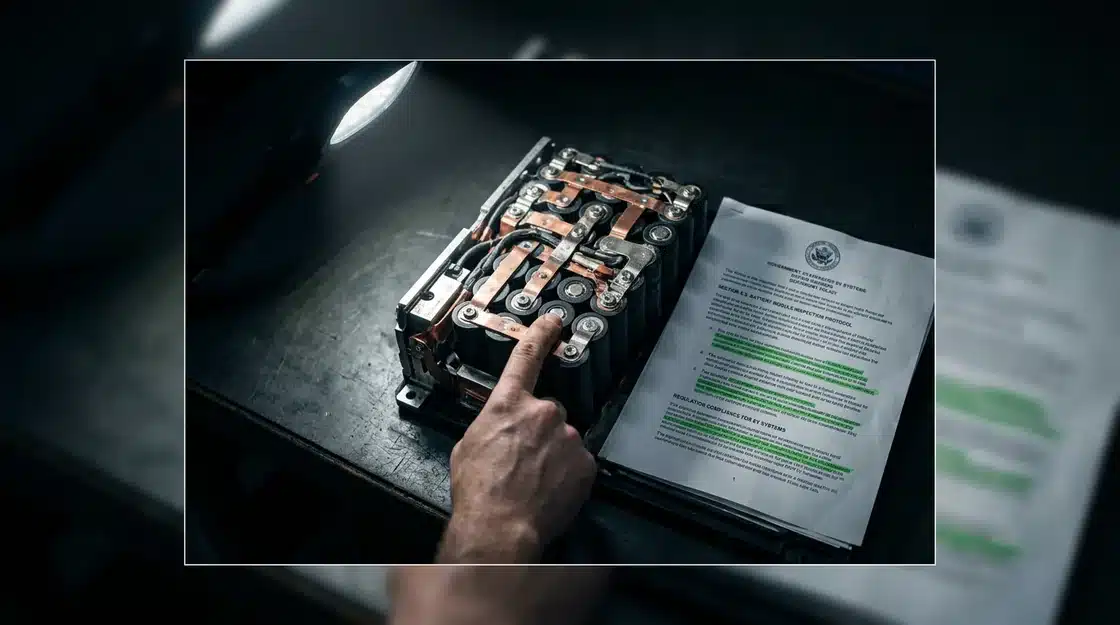
Strategic Steps for Prospective EV Buyers Now
Think you’re ready to jump into an electric vehicle? Hold your horses, because the looming 2026 tax credit changes demand a smarter approach than just impulse buying. What most people miss is how quickly eligibility can shift, turning a seemingly great deal into a financial headache.
Assessing Current Eligibility vs. Future Outlook
Should you buy now, or is patience a virtue? The answer isn’t simple, as it hinges on your personal financial landscape and risk tolerance. Many are scrambling to secure the current benefits, but waiting could offer access to more advanced, efficient models, potentially at a lower base price. It’s a classic “bird in the hand” dilemma.
Benefits of Acting Sooner
Opting to purchase an EV under current regulations often means capitalizing on the full federal tax credit, which could be up to $7,500 for qualifying vehicles. This immediate incentive dramatically reduces the effective purchase price, making premium models more accessible. For instance, a recent study by Cox Automotive revealed that nearly 73% of EV buyers consider the tax credit a significant factor in their decision-making, influencing their choice towards models that currently qualify. a hasty decision can lead to buyer’s remorse if a new model with better range or features debuts shortly after. The current market also presents a wider array of models that meet the less stringent battery component and critical minerals sourcing requirements. If you’re eyeing a specific model that currently qualifies, securing it now might be your best bet before its eligibility changes.
- Pros of Buying Now:
- Access to current, potentially more generous, federal tax credits.
- Wider selection of models currently eligible for incentives.
- Avoid potential price increases or reduced incentives in 2026.
- Cons of Buying Now:
- Missing out on future technological advancements and improved battery efficiency.
- Risk of rapid depreciation if new, superior models enter the market.
- Potentially paying a higher price if supply chain issues resolve and prices drop later.
Due Diligence: Verifying Vehicle Compliance
Before you sign anything, a rigorous check of your chosen EV’s compliance is non-negotiable. Don’t just take the salesperson’s word for it. The rules are complex, and a single missed detail could cost you thousands.
Tools and Resources for Buyers
The IRS provides a VIN decoder tool on its website, allowing prospective buyers to check if a specific vehicle’s VIN qualifies for the credit. This is your first line of defense. Beyond that, consulting the manufacturer’s official statement regarding tax credit eligibility for specific models is important. For example, Hyundai recently detailed which of its Ioniq models meet the sourcing requirements, offering a clear guide for consumers. What many overlook is how frequently these lists are updated, so checking periodically is key, much like staying on top of /emerging-cybersecurity-risks-online-banking-customers. Consider this numbered checklist when planning your EV purchase:
- Verify VIN Eligibility: Use the official IRS tool to confirm your specific vehicle’s VIN qualifies for the current credit.
- Consult Manufacturer Disclosures: Check the manufacturer’s website for official statements regarding tax credit eligibility and any anticipated changes for their models.
- Understand Battery Sourcing: Research where the battery components and critical minerals are sourced. This is the biggest hurdle for 2026 eligibility.
- Assess Your Personal Tax Situation: Ensure you have sufficient tax liability to fully utilize the credit. It’s a non-refundable credit, meaning it can only reduce what you owe, not generate a refund.
- Monitor Policy Updates: Keep an eye on legislative changes and IRS guidance, which can sometimes be as volatile as /airline-passenger-rights-evolve-what-new-refund-rules-mean-for-your-delayed-flights.
- Consider Leasing: For some, leasing an EV might offer a loophole, as the commercial clean vehicle credit (which has different requirements) might be passed on to the lessee.
Consulting Tax Professionals
Trying to decipher the intricacies of EV tax credits on your own can feel like navigating a maze blindfolded. This is where a qualified tax professional becomes your highly useful guide. They can help you understand your individual tax liability, ensuring you can actually benefit from the credit, and advise on timing your purchase. A tax advisor can also clarify how state-level incentives might stack with federal ones, creating a more complete financial picture. Don’t let a few hundred dollars in consultation fees deter you from potentially saving thousands. It’s a smart investment, much like understanding /federal-budget-changes-public-services-impact.
Beyond Federal Credits: State and Local EV Incentives
Federal tax credits grab headlines, but what most people miss is how state and local governments are quietly sweetening the pot for EV adopters. These localized perks could become even more compelling as federal eligibility rules tighten in the coming years. Are you maximizing your potential savings? Many states offer a patchwork of incentives designed to accelerate EV adoption, ranging from direct rebates to everyday usage benefits. California, for instance, provides a Clean Vehicle Rebate Project (CVRP), offering up to $7,500 for eligible new EVs, independent of federal programs. What’s more, some states offer HOV lane access for single-occupant EVs, a small perk that can shave significant time off a daily commute. Other programs focus on infrastructure, with grants available for installing home charging stations — a critical, often overlooked cost.
Variations Across States
The landscape of state-level EV incentives is anything but uniform; it’s more like a sprawling, unorganized garage sale. Some states prioritize upfront cost reduction, while others focus on long-term ownership benefits. Colorado offers a substantial state tax credit of up to $5,000 for new EV purchases, significantly reducing the initial barrier. Alternatively, Oregon provides rebates through its Charge Ahead Oregon program, which can stack with federal benefits. Consider New York: beyond rebates, it actively promotes the expansion of public charging networks through programs like Charge NY. This focus suggests a longer-term strategy, building out infrastructure to support future growth. Understanding these regional differences is notable, much like understanding how climate’s grip influences home insurance premiums across different locales. One surprising factor often overlooked? Some states even offer reduced vehicle registration fees for EVs, a small but persistent saving.
Combining Federal and Local Benefits
The real genius move for EV buyers involves stacking these incentives. While federal tax credits have specific manufacturing and battery sourcing requirements, many state and local programs operate independently. This means a vehicle that might not qualify for the full federal credit could still receive substantial support from your state or city. For example, a recent study by the National Conference of State Legislatures showed that 73% of states currently offer some form of EV incentive, with 12 states providing direct purchase rebates. Navigating this intricate web requires diligence, but the financial rewards can be significant. Imagine combining a federal tax credit (if eligible) with a state rebate, perhaps a local utility company discount for smart charging, and even free parking in some urban centers. It’s not unlike how individuals navigate the evolving landscape of the U.S. labor market, piecing together benefits and opportunities. Before making any purchase, a thorough check of your specific zip code for local utility rebates or municipal programs is a necessary step.
The Long-Term Vision: EV Market Trends and Consumer Impact
Will stricter eligibility criteria for federal EV tax credits actually stifle market growth? The data suggests a complex picture. While some analysts predict a dip in sales for vehicles that lose their incentives, others point to the market’s inherent momentum. The underrated factor here, what most people miss, is how manufacturers respond to these shifting sands. Consider the recent analysis from J.D. Power, which found that 73% of potential EV buyers in a survey cited purchase price as a major barrier. If credits vanish for popular models, sticker shock could deter many. I suspect that this shift will force automakers to accelerate domestic battery production and component sourcing, not just for compliance but for competitive pricing — a fascinating parallel to how emerging AI regulations are shaping American workforces. Dr. Eleanor Vance, an automotive economist at the University of Michigan, explains, “The short-term pain of reduced incentives could catalyze long-term gains in domestic manufacturing and a more resilient supply chain.” This means we might see fewer foreign-sourced components, ultimately benefiting local economies. What about the immediate effect on consumer choice? We could see a temporary narrowing of affordable options, pushing some buyers towards used EVs or delaying their purchase altogether. This mirrors some of the broader consumer behavior shifts observed in other sectors. the future of electric mobility isn’t solely dependent on federal largesse. State-level incentives, utility programs, and a growing charging infrastructure all play their part. The market, like a river finding its path around obstacles, will adapt. Will we see an unexpected surge in innovation as companies vie to meet the new criteria while maintaining affordability? It’s a definite possibility, much like how businesses adapt to emerging cybersecurity risks. The ultimate impact will hinge on how quickly domestic production can scale and whether manufacturers can absorb some of the increased costs without passing them entirely to consumers.
Beyond the Horizon: The Evolving EV Landscape
As the electric vehicle market matures, the role of tax credits shifts from broad encouragement to strategic industrial policy. The tightening eligibility requirements for federal incentives signal a clear intent: to foster a solid, self-sufficient domestic supply chain capable of competing globally. This isn’t just about the immediate savings for consumers; it’s about the long-term economic resilience and environmental goals of the nation. The real question for future EV buyers isn’t just whether a vehicle qualifies, but how these evolving policies will shape the very definition of an ‘American-made’ electric car, and what that means for innovation and affordability in the decade ahead.
Frequently Asked Questions About EV Tax Credits
What specific changes are expected for EV tax credits in 2026?
After 2025, the federal EV tax credit will see stricter requirements for battery component and critical mineral sourcing. The percentage of battery components manufactured or assembled in North America is projected to increase to 70%, and critical minerals sourced from the US or free-trade partners to 80%, making compliance more challenging for many automakers.
How can I check if a specific EV model will qualify for the tax credit after 2025?
Checking future eligibility requires proactive research. You should consult the IRS’s official VIN decoder tool, review manufacturer websites for specific model disclosures, and monitor legislative updates from government agencies. Given the dynamic nature of these rules, consistent monitoring will be key to understanding which models meet the evolving criteria.
Are there any actions I should take now if I plan to buy an EV soon?
If you’re planning an EV purchase soon, it’s advisable to act sooner rather than later to potentially secure current, more lenient tax credit benefits. Verify VIN eligibility, understand the current battery sourcing requirements of your desired model, and assess your personal tax liability. Consider if the immediate incentive outweighs the potential for future technological advancements.
Will state-level EV incentives also change in 2026?
State-level EV incentives operate independently of federal tax credits, and their changes are typically determined by state legislatures and agencies. While federal shifts might influence state policies over time, there’s no automatic change. It is important to check your specific state’s Department of Energy or equivalent agency for the most current information on local incentives.
What happens if I buy an EV in late 2025 but it’s delivered in 2026?
The eligibility for the federal EV tax credit is generally determined by the date the vehicle is placed in service, which typically means the date of delivery to the buyer. If you purchase an EV in late 2025 but it’s delivered in the following year, it would likely be subject to the rules in effect at the time of delivery. It’s notable to confirm this with your dealer and tax professional.