

The Impact of Global Supply Chain Shifts on U.S. Consumer Spending in 2026: A Financial Outlook
The global economy is a perpetually evolving entity, and few aspects illustrate this dynamism more vividly than the intricate web of global supply chains. These chains, once largely taken for granted, have been thrust into the spotlight over the past few years, revealing their vulnerabilities and profound influence on national economies. As we cast our gaze towards 2026, understanding the anticipated shifts in these supply chains and their subsequent impact on U.S. consumer spending is not merely an academic exercise; it is an imperative for businesses, policymakers, and individual households alike. The landscape of international trade, manufacturing, and logistics is undergoing a fundamental transformation, driven by geopolitical tensions, technological advancements, sustainability mandates, and the lingering effects of recent global disruptions. These shifts are poised to redefine product availability, pricing strategies, and ultimately, the purchasing power and preferences of the American consumer, directly influencing U.S. Consumer Spending 2026.
The U.S. economy, characterized by its robust consumer-driven nature, is particularly susceptible to external shocks and structural changes within the global supply network. Historically, American consumers have enjoyed unparalleled access to a vast array of goods at competitive prices, a benefit largely attributable to efficient, globalized production and distribution systems. However, the recent era has challenged this paradigm, introducing periods of scarcity, inflationary pressures, and a re-evaluation of sourcing strategies. As we approach 2026, these challenges are not expected to simply dissipate; instead, they are likely to morph into new forms, demanding adaptive responses from all stakeholders. The concept of ‘reshoring’ or ‘friend-shoring’ is gaining traction, potentially altering the geographical footprint of manufacturing and leading to higher production costs, which will inevitably trickle down to the consumer. Simultaneously, technological innovations, particularly in automation and artificial intelligence, promise to streamline certain aspects of logistics, but also present new considerations regarding labor markets and investment. Our objective in this comprehensive analysis is to dissect these multifaceted influences, providing a detailed financial outlook on how global supply chain shifts will shape U.S. Consumer Spending 2026, and to equip readers with insights to navigate this evolving economic terrain.
Understanding the Current State of Global Supply Chains
Before prognosticating about 2026, it is crucial to establish a baseline by examining the current state of global supply chains. The disruptions of the early 2020s, stemming from the pandemic, geopolitical conflicts, and extreme weather events, exposed the fragility of just-in-time inventory systems and over-reliance on single-source suppliers. These events triggered unprecedented backlogs, shipping delays, and significant cost increases across almost all sectors. The semiconductor shortage, for instance, crippled automotive production and impacted a wide range of electronic goods, vividly demonstrating how a bottleneck in one critical component could reverberate throughout the entire global economy. This period of intense volatility forced businesses to rethink their operational strategies, moving towards more diversified and resilient supply chain models.
Currently, while some immediate pressures have eased, the underlying structural issues persist and new challenges have emerged. Geopolitical tensions, particularly between major economic blocs, continue to drive efforts towards supply chain de-risking and regionalization. Countries are increasingly prioritizing national security and economic independence, leading to trade policies that favor domestic production or sourcing from politically aligned nations. This ‘de-globalization’ or ‘slowbalization’ trend, while not a complete reversal of globalization, signifies a profound shift away from purely cost-driven sourcing decisions. Furthermore, the imperative for sustainability is growing stronger, with consumers and regulators demanding more environmentally friendly and ethically produced goods. This adds another layer of complexity and cost to supply chain management, as companies invest in greener logistics, sustainable materials, and transparent reporting. The cumulative effect of these factors has been a recalibration of expectations regarding lead times, inventory levels, and the cost of goods, all of which will directly influence U.S. Consumer Spending 2026.
Key Drivers of Supply Chain Evolution Towards 2026
Several powerful forces are expected to drive the evolution of global supply chains between now and 2026, each with significant implications for U.S. consumer spending.
Geopolitical Realignment and Trade Policies
The most prominent driver is arguably geopolitical realignment. The rivalry between major global powers is pushing companies to re-evaluate their manufacturing and sourcing locations. This could manifest as ‘friend-shoring,’ where supply chains are concentrated among allied nations, or ‘reshoring,’ bringing production back to domestic soil. While these strategies aim to enhance national security and reduce vulnerability to external shocks, they often come at a higher cost due due to increased labor costs, regulatory compliance, and less optimized economies of scale. These increased costs are almost certainly going to be passed on to the consumer, influencing the affordability and availability of goods and thereby impacting U.S. Consumer Spending 2026.
Technological Advancements and Automation
Technology is a double-edged sword in this context. On one hand, advancements in automation, artificial intelligence, and blockchain are revolutionizing logistics, inventory management, and predictive analytics. Smart factories, autonomous vehicles for transportation, and AI-powered demand forecasting can significantly improve efficiency, reduce waste, and enhance responsiveness to market changes. These innovations could potentially mitigate some of the cost increases associated with regionalization. On the other hand, the initial investment in these technologies is substantial, and their implementation requires a highly skilled workforce, posing challenges for adoption in some regions. The efficiency gains, however, are critical for maintaining competitive pricing and product availability, directly influencing U.S. Consumer Spending 2026.
Sustainability and ESG Mandates
Environmental, Social, and Governance (ESG) considerations are no longer niche concerns but central to corporate strategy. Consumers are increasingly demanding sustainable products and transparent supply chains. This pressure, coupled with evolving regulatory frameworks, is compelling companies to invest in greener manufacturing processes, reduce carbon footprints in transportation, and ensure ethical labor practices throughout their supply networks. While beneficial for the planet and society, these initiatives often entail higher operational costs, which may translate into higher retail prices. The willingness of U.S. consumers to pay a premium for sustainable goods will be a critical factor in how these costs are absorbed and how they ultimately affect U.S. Consumer Spending 2026.
Labor Market Dynamics
Global labor market dynamics, including rising wages in traditional manufacturing hubs, labor shortages in developed economies, and the increasing cost of skilled labor, also play a significant role. These factors contribute to higher production costs and can influence decisions about where to locate manufacturing facilities. The availability and cost of labor will continue to be a crucial variable in determining the overall efficiency and expense of global supply chains, directly affecting the prices consumers face.
Projected Impact on U.S. Consumer Spending 2026
The confluence of these supply chain shifts is expected to have a multifaceted impact on U.S. Consumer Spending 2026. This impact will not be uniform across all sectors but will likely touch nearly every aspect of the American consumption landscape.
Inflationary Pressures and Pricing
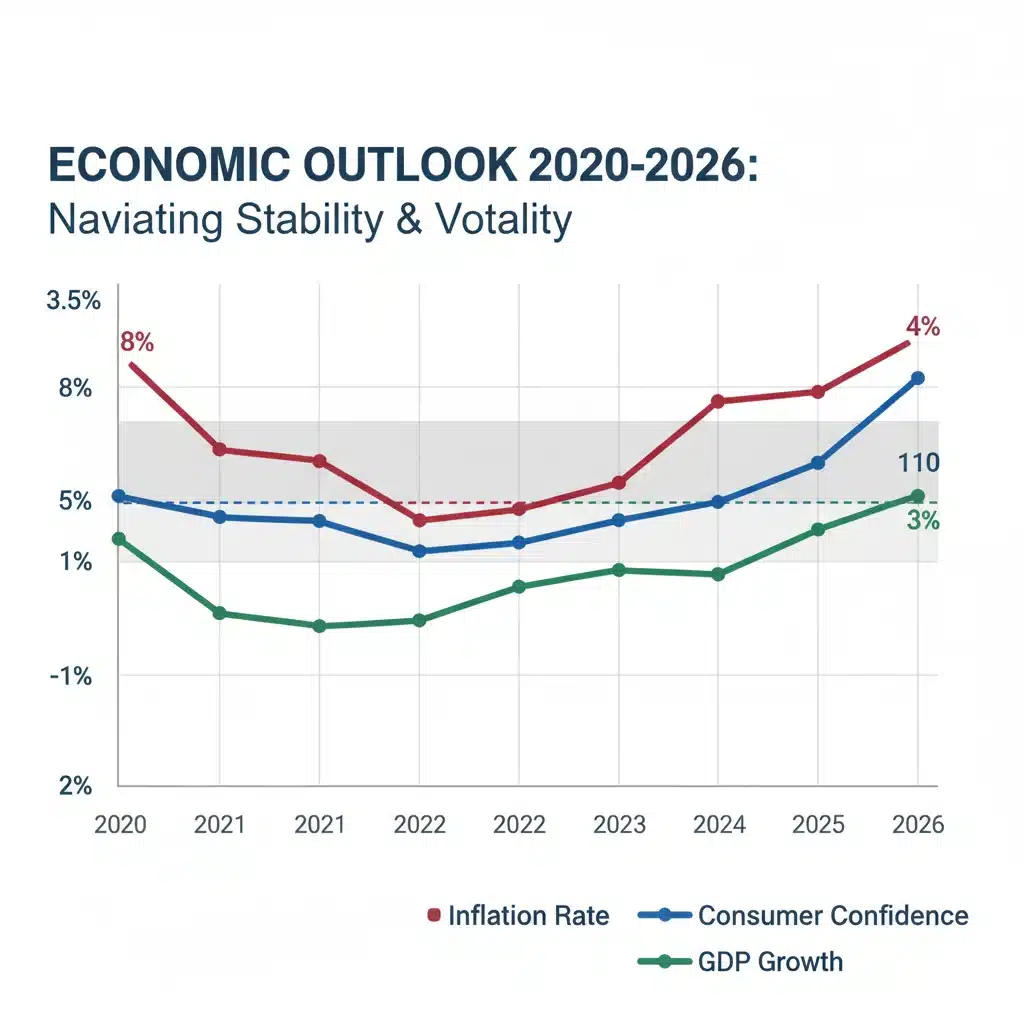
One of the most immediate and tangible effects will be on pricing. As supply chains become more regionalized, less reliant on ultra-low-cost labor, and more focused on resilience and sustainability, the cost of production is likely to increase. These higher costs will inevitably be passed on to consumers in the form of higher retail prices. While some degree of inflation is a natural part of economic growth, persistent supply-side inflation could erode purchasing power and force consumers to make difficult trade-offs. This will directly influence the volume and composition of U.S. Consumer Spending 2026, potentially shifting demand towards essential goods or more affordable alternatives.
Product Availability and Variety
The era of seemingly endless product variety and immediate availability, particularly for imported goods, might face challenges. While regionalization aims to enhance security, it could also lead to a narrower range of products from specific regions or an increase in lead times for highly specialized components. Consumers might experience reduced options in certain categories or longer waits for custom-ordered items. However, increased domestic production could also lead to a surge in locally sourced goods, fostering a new appreciation for regional products. The balance between global variety and local availability will be a defining characteristic of U.S. Consumer Spending 2026.

Shifts in Consumer Behavior and Preferences
Facing higher prices and potentially altered product availability, U.S. consumers are likely to adapt their behavior. There could be a renewed emphasis on durability, repairability, and second-hand markets as a way to stretch budgets. The ‘buy local’ movement might gain further traction, driven by both economic incentives (reduced shipping costs) and a desire to support domestic industries. Furthermore, sustainability concerns will likely continue to shape purchasing decisions, with consumers increasingly favoring brands that demonstrate strong ESG credentials, even if it means paying a slight premium. The digital commerce landscape will also evolve, with enhanced transparency regarding product origins and supply chain practices becoming a competitive differentiator. These shifts in consumer psychology and purchasing patterns will be central to understanding U.S. Consumer Spending 2026.
Impact on Specific Sectors
- Electronics and Technology: Continual demand but potential for higher prices due to semiconductor sourcing shifts and increased manufacturing costs. Innovation cycles might be affected by supply chain resilience.
- Apparel and Footwear: Expect further diversification of manufacturing away from single regions, leading to potentially higher costs but also more ethical sourcing. Fast fashion models might face increased pressure due to sustainability demands.
- Automotive: Continued focus on supply chain resilience for critical components, especially semiconductors and batteries. Vehicle prices could remain elevated, influencing consumer decisions towards electric vehicles and used car markets.
- Food and Agriculture: Vulnerability to climate change and geopolitical events will continue. Local food movements and diversified import sources will be key, potentially impacting food prices and availability.
- Home Goods and Furniture: Expect shifts in sourcing strategies, potentially leading to higher prices for imported items but also growth in domestic manufacturing for certain segments.
Economic Resilience and Policy Responses
The U.S. government and businesses are not passive observers in this evolving landscape. Proactive measures are being taken to bolster economic resilience and mitigate adverse impacts on U.S. Consumer Spending 2026. Policy responses include incentives for domestic manufacturing, investments in infrastructure to improve logistics, and diplomatic efforts to secure diversified supply routes. The CHIPS and Science Act, for example, is a direct attempt to boost domestic semiconductor production, thereby reducing reliance on foreign sources and enhancing national economic security. Similar initiatives may emerge in other critical sectors.
Businesses, too, are investing heavily in supply chain mapping, risk assessment, and diversification. Companies are adopting multi-sourcing strategies, increasing inventory buffers, and exploring near-shoring options to reduce lead times and improve responsiveness. The integration of advanced analytics and AI is helping companies to anticipate disruptions and optimize their networks. Furthermore, collaborations between private enterprises and government agencies are becoming more common, aiming to create a more robust and adaptable national supply chain infrastructure. These collective efforts are crucial in shaping a more resilient economy that can better withstand future shocks, ultimately safeguarding the stability of U.S. Consumer Spending 2026.
Strategic Implications for Businesses and Consumers
For businesses, adapting to these shifts is paramount. Diversifying supplier bases, investing in automation, and prioritizing sustainability are no longer optional but essential for long-term viability. Companies that can effectively communicate their supply chain resilience and ethical practices to consumers will gain a competitive edge. Understanding evolving consumer preferences, particularly the willingness to pay for local or sustainable products, will be critical for product development and marketing strategies. Furthermore, businesses must consider the potential for increased regulatory scrutiny regarding supply chain transparency and environmental impact.
For consumers, a greater awareness of global economic dynamics will be beneficial. Understanding that product availability and pricing are influenced by a complex web of factors beyond immediate market forces can help manage expectations. Budgeting for potentially higher prices in certain categories, exploring local alternatives, and prioritizing durable goods over disposable ones could become more common strategies. Embracing conscious consumption, where purchasing decisions are informed by ethical and environmental considerations, will also play a significant role in shaping U.S. Consumer Spending 2026. The ability to adapt to these changes will define the financial landscape for both producers and purchasers.
The Role of Digital Transformation in Mitigating Supply Chain Risks
Digital transformation is not just a buzzword; it’s a critical enabler for navigating the complexities of modern supply chains and ensuring the stability of U.S. Consumer Spending 2026. Technologies such as Artificial Intelligence (AI), Machine Learning (ML), and blockchain are revolutionizing how goods are tracked, managed, and delivered. AI and ML algorithms can analyze vast datasets to predict demand fluctuations, identify potential bottlenecks, and optimize logistics routes with unprecedented accuracy. This predictive capability allows businesses to proactively address issues before they escalate into major disruptions, thereby maintaining product flow and controlling costs. For instance, AI-driven demand forecasting can help retailers adjust inventory levels in real-time, preventing both overstocking and stockouts, which directly impacts consumer satisfaction and pricing.
Blockchain technology offers unparalleled transparency and traceability within the supply chain. By creating an immutable ledger of transactions and movements, blockchain can verify the origin of products, track their journey from raw material to finished good, and ensure compliance with ethical and sustainability standards. This transparency is invaluable for consumers who are increasingly demanding to know where their products come from and how they are made. For businesses, it enhances trust, reduces fraud, and simplifies audits. The implementation of digital twins, virtual replicas of physical supply chains, allows companies to simulate different scenarios, test new strategies, and identify vulnerabilities without disrupting actual operations. These digital tools empower businesses to build more resilient, agile, and transparent supply chains, which in turn helps stabilize pricing and availability for U.S. Consumer Spending 2026.
Long-Term Economic Outlook and Adaptation Strategies
Looking beyond 2026, the global supply chain landscape will continue to evolve, driven by ongoing technological innovation, shifts in geopolitical power, and an escalating focus on climate change. The long-term economic outlook suggests a move towards more regionalized, diversified, and technologically advanced supply networks. This transition, while potentially leading to higher baseline costs for some goods, is also expected to foster greater resilience against future shocks. For the U.S. economy, this implies a continued emphasis on domestic production capabilities, strategic international partnerships, and robust infrastructure development.
Consumers will likely adapt by becoming more discerning, valuing quality and sustainability over sheer volume or lowest price. The ‘circular economy’ model, emphasizing reuse, repair, and recycling, could gain significant traction, fundamentally altering consumption patterns. Businesses that invest early in these adaptive strategies – embracing digital transformation, diversifying sourcing, and committing to sustainable practices – will be best positioned to thrive. Government policies will play a crucial role in facilitating this transition, through targeted investments, trade agreements that promote resilience, and regulatory frameworks that encourage ethical and sustainable practices. The ability of all stakeholders to anticipate, adapt, and innovate will ultimately determine the health and stability of U.S. Consumer Spending 2026 and beyond, shaping a new era of global commerce.
Conclusion
The year 2026 stands as a pivotal moment in the trajectory of global supply chains and their profound influence on U.S. consumer spending. The shifts driven by geopolitical realignments, technological advancements, sustainability mandates, and evolving labor dynamics are not merely temporary disruptions but rather indicators of a fundamental transformation. These changes will likely lead to persistent inflationary pressures, altered product availability, and significant shifts in consumer behavior and preferences. While challenges are inevitable, the proactive responses from businesses and governments, coupled with the transformative power of digital technologies, offer pathways to building more resilient and adaptable supply networks.
For the American consumer, understanding these dynamics will be key to navigating the economic landscape of 2026. Adaptability, informed purchasing decisions, and a growing appreciation for local and sustainable options will become increasingly important. For businesses, the imperative is clear: embrace diversification, invest in technology, and prioritize ethical and sustainable practices to remain competitive and meet evolving consumer demands. The future of U.S. Consumer Spending 2026 will be a testament to our collective ability to adapt to a new global economic reality, one where resilience and responsibility are as valued as efficiency and cost-effectiveness. By strategically preparing for these shifts, we can ensure a more stable and sustainable economic future for all.