

Unprecedented Surge: US Renewable Energy Capacity to Grow by 18% in 2026, DOE Report Confirms
The United States is on the cusp of a transformative energy revolution, with a recent Department of Energy (DOE) report forecasting an astounding 18% increase in US renewable energy capacity by 2026. This significant projection underscores a pivotal shift in the nation’s energy landscape, moving decisively towards cleaner, more sustainable power sources. The report, a comprehensive analysis of current trends and future outlooks, highlights a confluence of factors – from robust policy support and technological breakthroughs to escalating economic viability – driving this accelerated adoption of renewables. Understanding the implications of this surge in US renewable energy growth is crucial for policymakers, investors, and the public alike, as it promises profound impacts on environmental sustainability, economic development, and energy security.
The Driving Forces Behind the 18% Expansion in US Renewable Energy Growth
Several key drivers are converging to fuel this projected 18% expansion in US renewable energy growth. The DOE report meticulously details these catalysts, painting a picture of an industry gaining unstoppable momentum. At the forefront are federal and state-level policy initiatives designed to incentivize renewable energy development. The Inflation Reduction Act (IRA, for instance, has injected unprecedented levels of investment through tax credits and grants, making solar, wind, and other clean energy technologies more attractive than ever before. These policies provide long-term certainty for developers and investors, de-risking projects and accelerating deployment.
Technological advancements also play a critical role. The efficiency of solar photovoltaic (PV) panels continues to improve, while their manufacturing costs have plummeted. Similarly, wind turbine technology has evolved, leading to larger, more efficient turbines capable of harnessing greater amounts of wind energy. Innovations in battery storage solutions are further enhancing the reliability and dispatchability of intermittent renewable sources, addressing one of the long-standing challenges of grid integration. These technological leaps are not only making renewables more competitive but also expanding the geographical areas where they can be effectively deployed.
Furthermore, the economics of renewable energy have become increasingly compelling. In many regions, new utility-scale solar and wind projects are now cheaper than building new fossil fuel power plants, even without subsidies. This cost advantage, coupled with stable fuel prices (unlike the volatile nature of fossil fuels), offers long-term financial benefits for utilities and consumers. The increasing corporate demand for clean energy, driven by sustainability goals and ESG (Environmental, Social, and Governance) commitments, also contributes significantly to market expansion. Major corporations are actively seeking to power their operations with renewables, creating a robust demand signal for new projects and further bolstering US renewable energy growth.
Solar and Wind: The Vanguard of Renewable Expansion
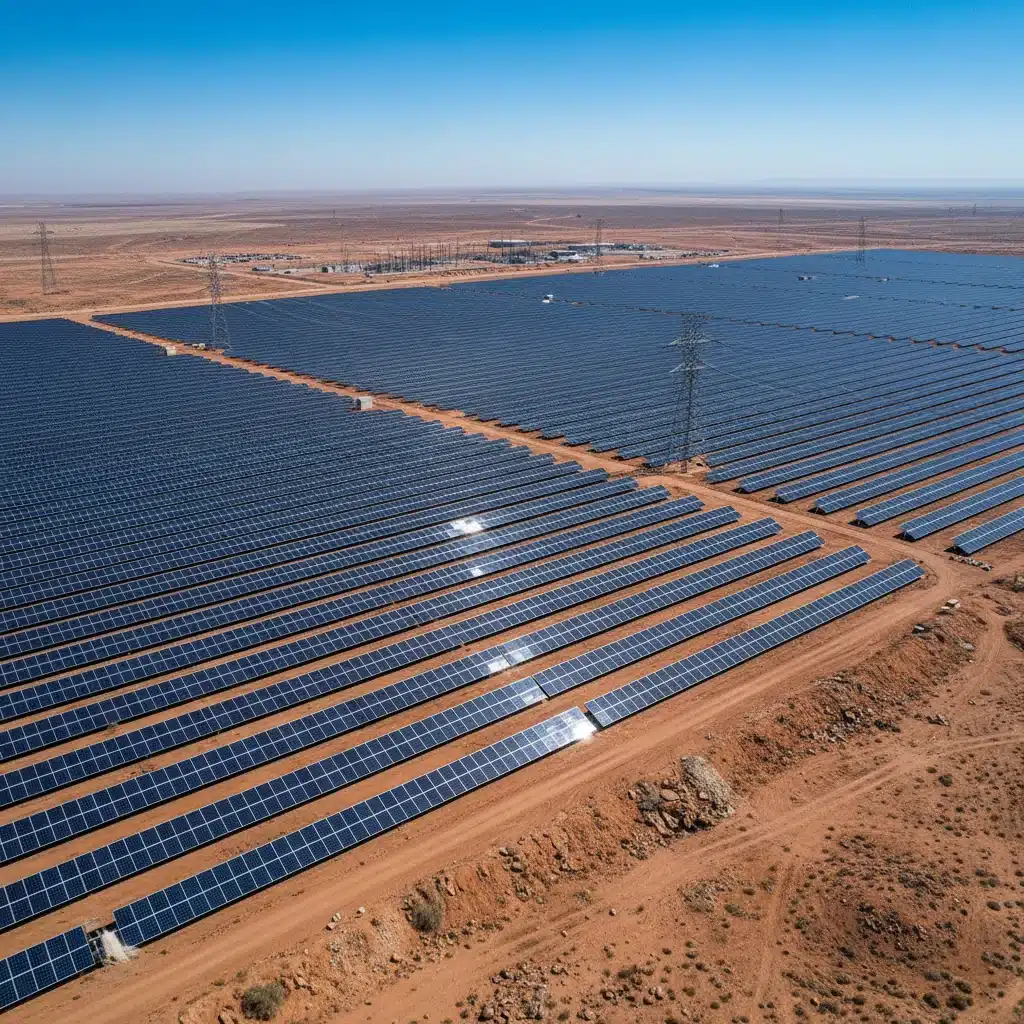
Within the broader category of US renewable energy growth, solar and wind power are projected to be the primary contributors to the 18% increase. The DOE report specifically highlights the continued dominance of these two technologies, attributing their rapid expansion to mature supply chains, proven efficacy, and widespread public acceptance. Solar energy, particularly utility-scale solar, is seeing massive investment. Its modular nature allows for quick deployment and scalability, making it an attractive option for meeting increasing electricity demands. Rooftop solar installations are also continuing their steady rise, empowering individual homeowners and businesses to generate their own power and reduce their carbon footprint.
Wind energy, both onshore and the burgeoning offshore wind sector, is likewise poised for substantial growth. Offshore wind, in particular, offers immense potential due to stronger, more consistent winds and the ability to serve densely populated coastal areas. The development of new offshore wind farms along the East and West coasts is a testament to the nation’s commitment to harnessing this powerful resource. The report details how advancements in turbine design, coupled with strategic federal leasing efforts, are overcoming previous hurdles to offshore wind development, paving the way for significant capacity additions.
The synergy between solar and wind is also a critical factor. Their complementary generation profiles – solar peaking during the day, and wind often stronger at night or in different seasons – can help balance the grid and reduce the need for fossil fuel backup. This integrated approach is becoming increasingly common in energy planning, optimizing resource utilization and enhancing grid reliability as US renewable energy growth accelerates.
Grid Modernization and Storage Solutions: Essential Enablers
Achieving an 18% increase in US renewable energy growth by 2026 is not solely about installing more solar panels and wind turbines; it also necessitates a robust and modernized electricity grid capable of integrating these new sources. The DOE report emphasizes the critical importance of grid enhancements, including transmission expansion and advanced energy storage solutions. An aging grid infrastructure, originally designed for centralized fossil fuel power plants, is not optimally suited for the distributed and often intermittent nature of renewables.
Investment in new high-voltage transmission lines is crucial to transport renewable energy from resource-rich areas (like the sunny Southwest or windy Great Plains) to demand centers. Permitting and siting challenges for these projects remain, but federal and state efforts are increasingly focused on streamlining these processes. Furthermore, smart grid technologies – including advanced sensors, digital controls, and artificial intelligence – are essential for managing the dynamic flow of renewable power, optimizing grid operations, and ensuring stability.
Energy storage, primarily in the form of utility-scale batteries, is another cornerstone of this expansion. As the report highlights, batteries provide the flexibility needed to store excess renewable energy during periods of high generation and release it during peak demand or when renewable output is low. This enhances grid resilience, reduces curtailment (wasted renewable energy), and allows for greater penetration of variable renewables. The rapid decline in battery costs, coupled with ongoing research into longer-duration storage technologies, makes this a particularly promising area for continued innovation and investment, further solidifying the trajectory of US renewable energy growth.
Economic and Environmental Benefits of Accelerated Renewable Adoption
The projected 18% increase in US renewable energy growth by 2026 carries significant economic and environmental benefits. Economically, the expansion of the renewable energy sector is a powerful job creator. The installation, manufacturing, operation, and maintenance of solar, wind, and storage technologies require a skilled workforce, generating employment opportunities across various sectors. The DOE report often includes analyses of job creation, highlighting how investments in clean energy translate into tangible economic benefits for local communities and the national economy.
Furthermore, increased renewable capacity reduces the nation’s reliance on volatile fossil fuel markets. This enhances energy independence and stability, shielding consumers from price fluctuations driven by global geopolitical events. Local communities benefiting from renewable energy projects often see increased tax revenues and lease payments, providing a stable economic boost without the environmental drawbacks associated with traditional energy sources. The decentralization potential of renewables also contributes to grid resilience against natural disasters and cyber-attacks.
Environmentally, the benefits are even more profound. Every megawatt-hour generated from renewable sources displaces electricity that would otherwise come from fossil fuels, leading to a direct reduction in greenhouse gas emissions. This is critical for combating climate change, improving air quality, and protecting public health. The report’s findings align with broader national and international climate goals, demonstrating that the U.S. is making tangible progress towards decarbonizing its electricity sector. Reducing pollutants associated with fossil fuel combustion also leads to fewer instances of respiratory illnesses and other health issues, offering a clear quality-of-life improvement for communities.
Challenges and Opportunities on the Path to 18% Growth
While the DOE report paints an optimistic picture of US renewable energy growth, it also implicitly acknowledges the challenges that must be addressed to fully realize the 18% expansion. Supply chain vulnerabilities, particularly for critical minerals and components, require strategic attention. Diversifying sourcing and investing in domestic manufacturing capabilities are crucial steps to mitigate these risks and ensure the steady availability of materials needed for renewable energy projects.
Permitting and interconnection queues for new projects continue to be significant bottlenecks. Streamlining these processes at federal, state, and local levels is essential to accelerate deployment. The report likely touches upon policy recommendations aimed at improving regulatory efficiency without compromising environmental review standards. Workforce development is another key area; ensuring a sufficient supply of trained workers for installation, maintenance, and manufacturing roles is vital for sustaining rapid growth. Educational institutions, vocational schools, and industry partnerships will play a crucial role in building this pipeline.
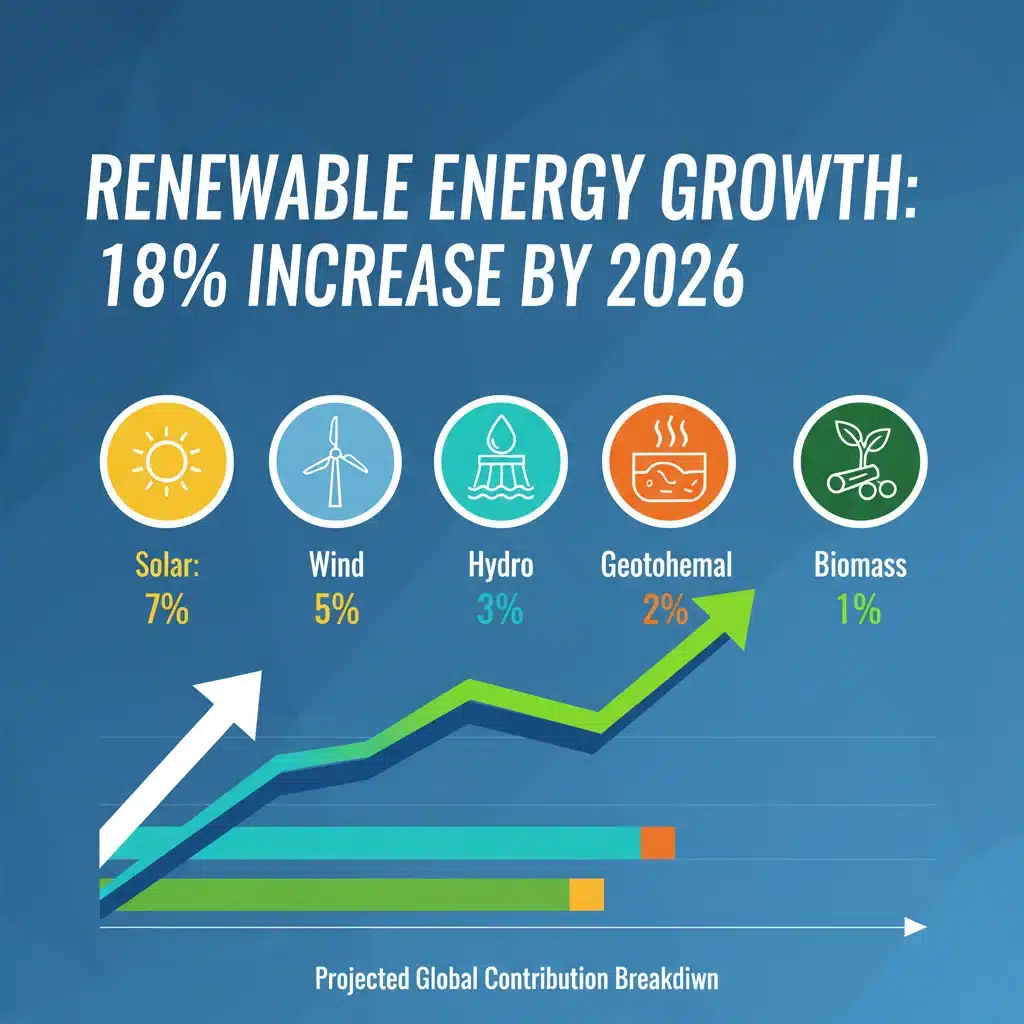
Despite these challenges, the opportunities presented by this accelerated US renewable energy growth are immense. Innovation in new technologies, such as advanced geothermal, green hydrogen, and carbon capture (when integrated with clean energy), offers pathways for further decarbonization beyond 2026. The electrification of transportation and industrial sectors, powered by an increasingly clean grid, represents another massive opportunity for emissions reductions and economic transformation. The report serves not just as a projection but as a strategic roadmap, identifying areas where continued focus and investment can yield the greatest returns.
Policy and Regulatory Landscape Supporting Future Growth
The sustained growth in US renewable energy growth is inextricably linked to a supportive policy and regulatory landscape. The DOE report often underscores how consistent policy signals are vital for long-term investment and development. Beyond the federal incentives provided by the Inflation Reduction Act, state-level Renewable Portfolio Standards (RPS) and clean energy mandates continue to drive demand. These policies set targets for utilities to source a certain percentage of their electricity from renewable sources, creating a stable market for clean energy generation.
Furthermore, regulatory bodies at both federal and state levels are increasingly focused on adapting grid rules and market structures to accommodate higher penetrations of renewables. This includes reforms to wholesale electricity markets to better value attributes like flexibility and grid services provided by renewable and storage assets. Efforts to improve inter-regional transmission planning and cost allocation are also critical to facilitating the efficient movement of renewable power across state lines, unlocking new markets and maximizing resource utilization.
The report’s projections are likely based on the assumption of continued policy stability and ongoing regulatory evolution. Any significant shifts in this landscape could either accelerate or impede the projected 18% growth. Therefore, continuous engagement between policymakers, industry stakeholders, and environmental advocates is essential to maintain momentum and ensure that the regulatory framework remains conducive to rapid and responsible renewable energy deployment. This collaborative approach is fundamental to achieving the ambitious targets outlined for US renewable energy growth.
The Long-Term Vision: Beyond 2026 and a Fully Decarbonized Grid
While the 18% increase by 2026 is a significant milestone for US renewable energy growth, the DOE report implicitly points towards an even more ambitious long-term vision: a fully decarbonized electricity grid. This immediate growth spurt is a crucial stepping stone towards achieving net-zero emissions targets by mid-century. The technologies and infrastructure being developed and deployed now will form the backbone of the future energy system.
The report’s findings provide a strong foundation for future energy planning, indicating that the U.S. is on a credible path to substantially reduce its carbon footprint from electricity generation. As renewable energy costs continue to fall and storage solutions become more sophisticated, the economic case for transitioning away from fossil fuels will only strengthen. This trajectory not only positions the U.S. as a leader in clean energy innovation but also creates a more resilient, secure, and sustainable energy future for generations to come. The journey beyond 2026 will involve continued innovation, strategic investments, and a steadfast commitment to clean energy policies, ensuring that the momentum of US renewable energy growth continues unabated.
Conclusion: A Bright Outlook for US Renewable Energy Growth
The Department of Energy’s projection of an 18% increase in US renewable energy growth by 2026 is more than just a statistic; it’s a powerful indicator of a nation committed to a sustainable future. This anticipated surge, driven by supportive policies, technological advancements, and compelling economics, signifies a pivotal moment in the energy transition. Solar and wind power will lead the charge, supported by crucial investments in grid modernization and energy storage. The economic benefits, including job creation and enhanced energy independence, are substantial, as are the environmental gains in reducing greenhouse gas emissions and improving public health.
While challenges in supply chains, permitting, and workforce development remain, the report underscores the immense opportunities that lie ahead. The collaborative efforts of government, industry, and academia will be vital in navigating these complexities and ensuring sustained growth. The 2026 forecast is not an endpoint but a significant milestone on the path to a fully decarbonized and resilient energy system. The future of energy in the United States is undeniably green, and the rapid expansion of renewable capacity promises a brighter, cleaner, and more prosperous future for all.