

The agricultural landscape of the United States is perennially shaped by a monumental piece of legislation: the Farm Bill. Enacted roughly every five years, this comprehensive bill dictates everything from crop subsidies and conservation efforts to food assistance programs and rural development initiatives. As we approach the horizon of the 2026 Farm Bill, anticipation and speculation are building regarding the potential changes that could ripple through the entire food system, affecting farmers, consumers, and the economy at large. Understanding the intricacies of the 2026 Farm Bill is crucial for anyone with a stake in America’s food future.
The current Farm Bill, passed in 2018, set the stage for many of today’s agricultural policies. However, the intervening years have brought unprecedented challenges and shifts: global supply chain disruptions, escalating climate change impacts, evolving consumer demands, and significant inflationary pressures. These factors will undoubtedly inform the debates and decisions surrounding the 2026 Farm Bill, making it a pivotal moment for American agriculture. This article delves deep into the expected changes, focusing on two critical areas: agricultural subsidies and their direct and indirect effects on food prices.
The Foundation: Understanding the Farm Bill’s Scope
Before dissecting potential changes, it’s essential to grasp the vast scope of the Farm Bill. It is not merely an agricultural policy but a comprehensive package that touches nearly every aspect of rural life and the nation’s food security. Its primary titles typically include:
- Commodity Programs: These provide a safety net for farmers, offering price and income support for staple crops like corn, soybeans, wheat, cotton, and rice.
- Conservation: Programs that incentivize environmentally friendly farming practices, such as soil health initiatives, water quality protection, and wildlife habitat creation.
- Trade: Supports for agricultural exports and international food aid.
- Nutrition: The largest portion of the Farm Bill, funding programs like the Supplemental Nutrition Assistance Program (SNAP), which helps low-income individuals and families purchase food.
- Credit: Provides loans and loan guarantees to farmers, particularly those who are new, beginning, or face financial hardship.
- Rural Development: Investments in infrastructure, broadband, and community facilities in rural areas.
- Research, Extension, and Related Matters: Funding for agricultural research and education.
- Forestry: Programs related to forest management and health.
- Energy: Support for renewable energy production in rural areas and bio-based products.
- Horticulture: Support for specialty crops (fruits, vegetables, nuts) and organic agriculture.
- Crop Insurance: Federal subsidies for crop insurance premiums, protecting farmers against losses due to natural disasters or market fluctuations.
Each of these titles represents a complex web of programs and policies, all subject to intense negotiation and political maneuvering. The 2026 Farm Bill will be no different, with stakeholders from across the spectrum vying for their priorities to be included.
Agricultural Subsidies: A Shifting Landscape in the 2026 Farm Bill
Agricultural subsidies are a cornerstone of U.S. farm policy, designed to stabilize farm income, ensure a reliable food supply, and protect farmers from market volatility and natural disasters. However, they are also a frequent target of criticism, with debates centering on their cost, their impact on market dynamics, and their distribution among different types of farms and commodities.
Expected Changes in Commodity Programs
The 2018 Farm Bill introduced several enhancements to commodity programs, including the Agriculture Risk Coverage (ARC) and Price Loss Coverage (PLC) programs. These programs offer payments to farmers when crop revenues or prices fall below certain thresholds. For the 2026 Farm Bill, several key areas are likely to see significant discussion and potential modification:
- Reference Prices: A major point of contention will be the reference prices used in ARC and PLC. These are static prices set by Congress, and many argue they are outdated and do not reflect current production costs or market realities. Farmers have faced dramatically increased input costs (fertilizer, fuel, labor) in recent years. There’s a strong push from agricultural groups to raise these reference prices to provide a more effective safety net. An increase in reference prices would mean that payments would trigger more frequently or at higher levels, offering greater financial stability to farmers but also potentially increasing the overall cost of the program.
- Payment Limits: Critics often point to payment limits as insufficient or easily circumvented, leading to large farms receiving disproportionately high subsidies. Debates around tightening payment limits or reforming eligibility rules for certain entities (e.g., partnerships, LLCs) are almost guaranteed. Any changes here could shift the distribution of federal dollars, potentially benefiting smaller and mid-sized farms more.
- Base Acres: The base acres on which commodity payments are made are often based on historical planting patterns. Farmers may advocate for updating these base acres to reflect current production, especially for crops that have seen increased acreage due to market shifts or new agricultural practices.
- Climate-Smart Agriculture: With growing concerns about climate change, there’s a strong likelihood that the 2026 Farm Bill will integrate more climate-smart agriculture practices into commodity programs. This could involve offering additional incentives or linking certain subsidy eligibility to the adoption of practices that reduce greenhouse gas emissions, improve soil health, or enhance water efficiency.
Evolution of Conservation Programs
Conservation programs are another critical component, and they are likely to receive increased attention and funding in the 2026 Farm Bill. The focus will likely be on:
- Increased Funding: There’s bipartisan support for expanding conservation efforts. Programs like the Environmental Quality Incentives Program (EQIP) and the Conservation Stewardship Program (CSP) are highly subscribed, with more demand than available funding. The next Farm Bill could see significant appropriations increases to meet this demand.
- Climate Resilience: A strong emphasis will be placed on conservation practices that build climate resilience, such as cover cropping, no-till farming, and precision agriculture. These practices not only benefit the environment but also help farmers mitigate risks from extreme weather events.
- Water Quality: Protecting water resources from agricultural runoff will remain a priority, with potential new initiatives or expanded funding for practices that reduce nutrient and sediment loss.
Crop Insurance: Fine-Tuning the Safety Net
Crop insurance is the primary risk management tool for many farmers, and it receives substantial federal subsidies. While the core structure is unlikely to change dramatically, the 2026 Farm Bill may include:
- Expansion of Coverage: Efforts to expand crop insurance options for specialty crops, organic producers, and underserved farmers (e.g., beginning farmers, socially disadvantaged farmers) are expected.
- Regional Specificity: Tailoring insurance products to better reflect regional risks and production practices could also be a focus.
- Linking to Conservation: Some proposals may emerge to link crop insurance subsidies to certain conservation practices, although this is often a contentious issue within the agricultural community.
Impact on Food Prices: A Direct and Indirect Link
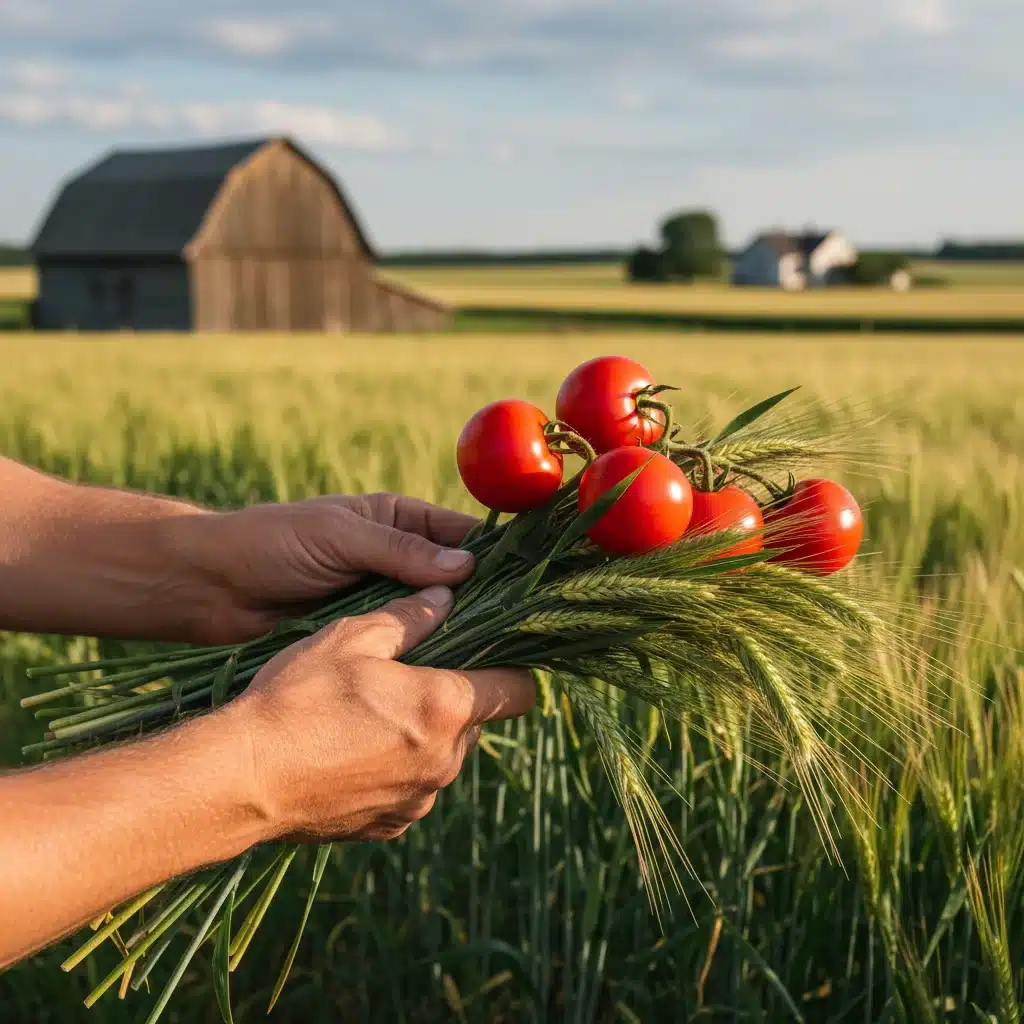
The provisions of the 2026 Farm Bill, particularly those related to agricultural subsidies, have a profound and often complex impact on food prices. This influence is not always straightforward, involving both direct effects on commodity costs and indirect effects on supply, demand, and market stability.
Direct Effects on Commodity Prices
While the goal of commodity subsidies is to provide a safety net, they can also influence the supply and price of staple crops. When subsidies insulate farmers from low market prices, they may encourage continued production even when market signals might otherwise suggest reducing acreage. This can lead to:
- Stabilized Supply: By reducing the risk for farmers, subsidies can help ensure a more stable supply of key commodities, preventing drastic price spikes that might occur if farmers exited production en masse during periods of low prices.
- Potential for Overproduction: Conversely, if subsidies are set too high or are not responsive to market demand, they can contribute to overproduction of certain crops, which can depress market prices for those commodities. However, this doesn’t always translate directly to lower retail food prices due to the complexities of the supply chain.
- Input Costs: Changes in subsidy programs can indirectly affect input costs. For instance, if increased subsidies encourage more intensive farming, demand for fertilizers or pesticides might rise, potentially increasing their cost for all farmers.
Indirect Effects on Retail Food Prices
The journey from farm to fork is long and involves many intermediaries, each adding to the final retail price. Therefore, changes in farm-level subsidies don’t always translate linearly to grocery store prices. However, they do play a role:
- Processing and Distribution Costs: These costs (transportation, labor, packaging, marketing) often represent a significant portion of the retail food price and are less directly influenced by farm subsidies. However, a stable supply of raw commodities, partly ensured by subsidies, allows processors and distributors to operate more efficiently, which can help keep their costs, and thus retail prices, more predictable.
- Food Assistance Programs: The nutrition title of the Farm Bill, particularly SNAP, has a direct impact on food access and demand. Changes to SNAP funding or eligibility can significantly affect the purchasing power of millions of Americans, indirectly influencing demand for certain food products and potentially impacting prices for specific categories. A stronger SNAP program can increase demand for nutritious foods, potentially stimulating production and stabilizing prices in those sectors.
- Specialty Crops vs. Commodity Crops: The majority of commodity subsidies go to a handful of staple crops (corn, soy, wheat). Fruits, vegetables, and other specialty crops generally receive less direct subsidy support. Therefore, changes in commodity subsidies might have a more pronounced effect on the prices of processed foods (which often use commodity ingredients) than on fresh produce. However, increased funding for specialty crop block grants or research, as part of the 2026 Farm Bill, could boost production and potentially lower prices for these healthier options.
- Trade Policies: The trade provisions of the Farm Bill also indirectly influence domestic food prices. Support for agricultural exports can affect the domestic supply of certain commodities, potentially leading to higher domestic prices if more is sold abroad. Conversely, import policies can introduce cheaper foreign products, putting downward pressure on domestic prices.
The Inflationary Context
The 2026 Farm Bill will be debated against a backdrop of recent high food inflation. Policymakers will be under pressure to craft a bill that helps stabilize food costs without unduly burdening taxpayers or distorting agricultural markets. This delicate balance will be a central theme in negotiations.
Beyond Subsidies and Prices: Other Key Areas of the 2026 Farm Bill
While subsidies and food prices are critical, the 2026 Farm Bill will address numerous other vital issues:
Nutrition Programs: A Cornerstone of Food Security
The nutrition title, primarily SNAP, accounts for the largest share of Farm Bill spending. Debates will likely revolve around:
- Eligibility and Benefit Levels: Advocates will push to protect and expand eligibility and benefit levels to address food insecurity, especially in the wake of economic challenges. Opponents may seek to tighten eligibility or impose work requirements.
- Healthy Food Incentives: There may be increased emphasis on programs that incentivize SNAP participants to purchase fruits and vegetables, promoting healthier eating habits.
Rural Development and Infrastructure
Investing in rural communities remains a priority. The 2026 Farm Bill could see increased funding for:
- Broadband Expansion: Bridging the digital divide in rural areas is crucial for economic development, education, and healthcare.
- Rural Infrastructure: Support for water systems, waste treatment, and community facilities.
- Value-Added Agriculture: Programs that help farmers process their products or develop new markets, keeping more economic activity within rural communities.
Research and Innovation
Agricultural research is vital for improving productivity, sustainability, and resilience. The 2026 Farm Bill will likely focus on:
- Climate Change Research: Developing new crop varieties, farming techniques, and technologies to adapt to a changing climate.
- Food Safety and Nutrition Research: Advancing knowledge to ensure a safe and healthy food supply.
- Precision Agriculture: Investing in technologies that optimize resource use and reduce environmental impact.
Support for Beginning and Underserved Farmers
Ensuring access to land, capital, and resources for new and historically underserved farmers is a recurring theme. The 2026 Farm Bill may include:
- Expanded Loan Programs: Making it easier for beginning farmers to secure loans for land and equipment.
- Mentorship and Training: Programs to provide education and support for new entrants to agriculture.
- Equity Initiatives: Addressing historical disparities faced by minority and women farmers.
The Road Ahead: Challenges and Opportunities for the 2026 Farm Bill
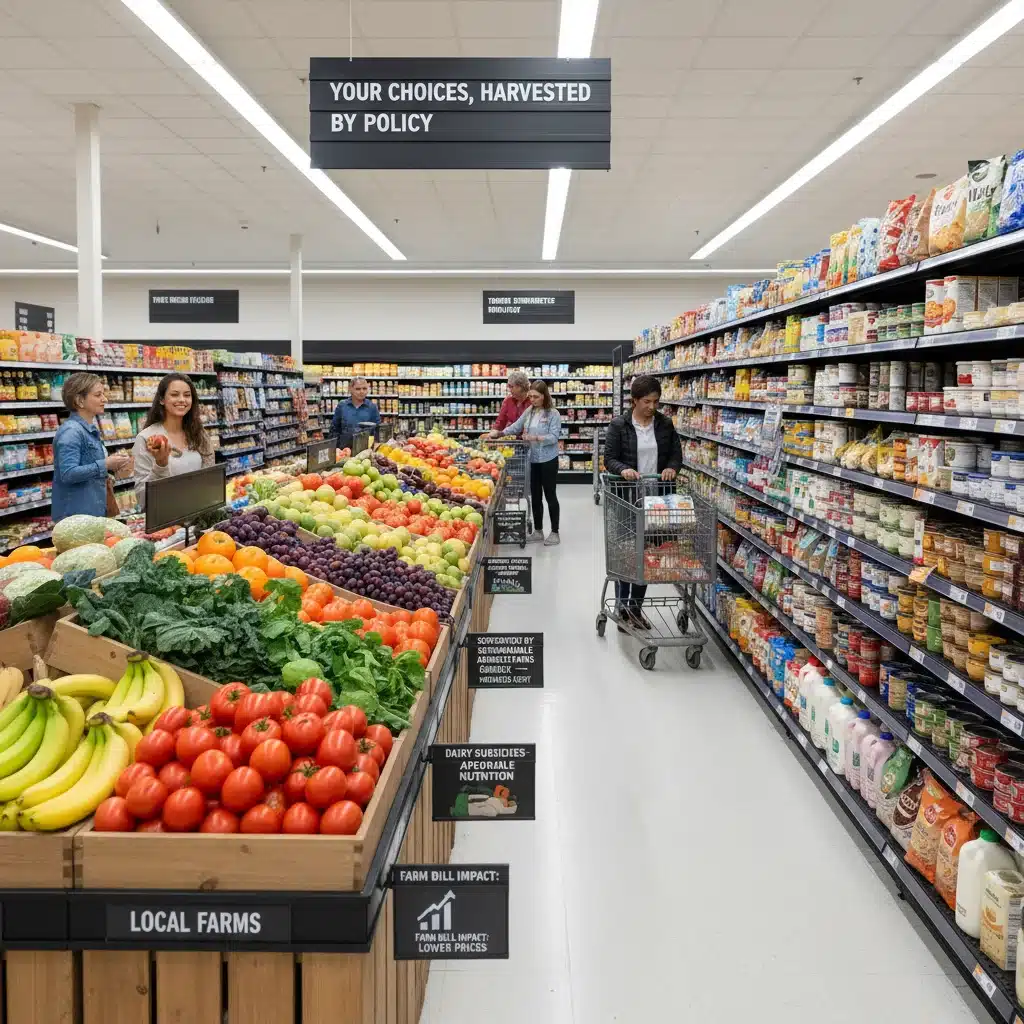
Crafting the 2026 Farm Bill will be a monumental task, fraught with political challenges and competing interests. Key challenges include:
- Fiscal Constraints: The overall cost of the Farm Bill is always a major consideration, especially in an era of high national debt. Balancing the needs of various stakeholders with budgetary realities will be difficult.
- Political Polarization: Deep divisions between parties on issues ranging from climate policy to nutrition assistance could make consensus building challenging.
- Evolving Agricultural Needs: The rapid pace of change in agriculture, driven by technology, climate, and global markets, requires a flexible and forward-looking bill.
- Stakeholder Demands: Hundreds of agricultural groups, environmental organizations, anti-hunger advocates, and rural development proponents will lobby intensely for their priorities.
Despite these challenges, the 2026 Farm Bill presents significant opportunities:
- Strengthening Rural Economies: A well-crafted bill can stimulate economic growth and create jobs in rural areas.
- Enhancing Food Security: Robust nutrition programs and a stable agricultural sector are critical for ensuring all Americans have access to safe, affordable, and nutritious food.
- Promoting Environmental Stewardship: The Farm Bill is a powerful tool for incentivizing conservation and climate-smart practices, protecting natural resources for future generations.
- Fostering Innovation: Investments in research and development can drive agricultural innovation, leading to more efficient, sustainable, and resilient food systems.
Conclusion: A Critical Juncture for American Agriculture
The 2026 Farm Bill stands as a critical juncture for American agriculture and the nation’s food system. The decisions made in this legislative package will have profound implications for farmers’ livelihoods, the cost and availability of food for consumers, and the health of our natural resources. From the intricate details of agricultural subsidies to the broad strokes of nutrition assistance and rural development, every aspect of the bill will be scrutinized and debated. As stakeholders prepare for these discussions, it is clear that the next Farm Bill must be responsive to the challenges of a changing world while upholding its long-standing commitment to feeding the nation and stewarding its land. Staying informed about the developments of the 2026 Farm Bill is not just for farmers and policymakers; it’s for every American who eats.