
Real Estate Market Outlook 2026: Predicting Mortgage Rate Shifts and Their Impact on U.S. Homebuyers
The U.S. real estate market is a dynamic and complex ecosystem, constantly influenced by a myriad of economic forces. As we look ahead to 2026, one of the most critical factors shaping its trajectory will undoubtedly be mortgage rate outlook. For prospective homebuyers, current homeowners, and investors alike, understanding the potential shifts in these rates is paramount to making informed decisions. This comprehensive analysis delves into the anticipated economic landscape, explores expert predictions for mortgage rates, and dissects the profound impact these changes will have on U.S. homebuyers.
The past few years have been a rollercoaster for the housing market. Record-low interest rates spurred a buying frenzy, leading to significant price appreciation. However, recent inflationary pressures and the Federal Reserve’s aggressive stance on monetary policy have driven rates higher, cooling demand and introducing a new layer of uncertainty. As we approach 2026, the question on everyone’s mind is: where will mortgage rates go from here, and what does that mean for the American dream of homeownership?
Understanding the Forces Behind Mortgage Rate Outlook
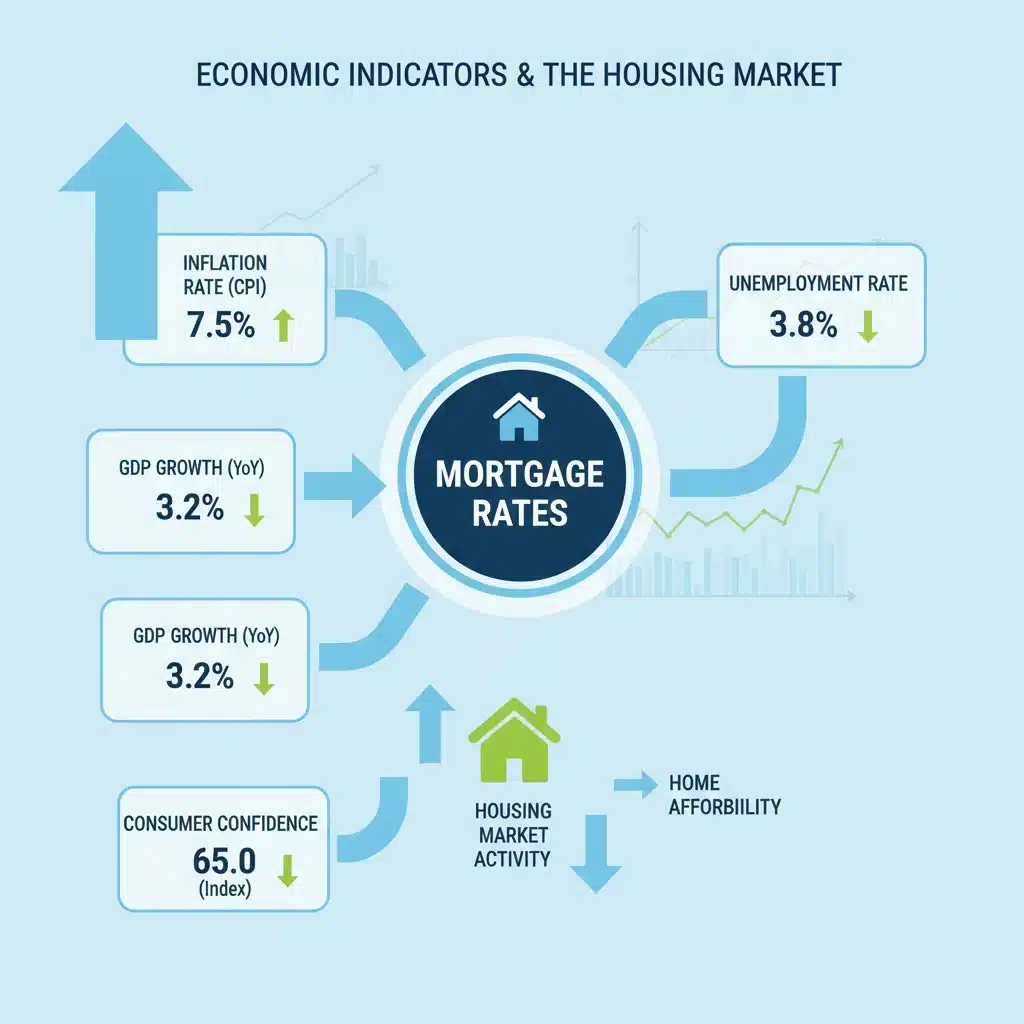
To accurately predict the mortgage rate outlook for 2026, it’s essential to first grasp the underlying economic indicators that dictate these rates. Mortgage rates, particularly for fixed-rate mortgages, are closely tied to the yield on the 10-year Treasury bond. This yield, in turn, is influenced by several macroeconomic factors:
Inflation
Inflation is arguably the most significant driver of interest rates. When inflation is high, the purchasing power of money erodes. Lenders demand higher interest rates to compensate for this loss of value over the life of a loan. The Federal Reserve’s primary tool to combat inflation is to raise the federal funds rate, which indirectly pushes up other interest rates, including mortgage rates. For 2026, the trajectory of inflation will be a key determinant. If inflationary pressures persist, we could see continued elevated rates. Conversely, a sustained decline in inflation could provide room for rates to stabilize or even decrease.
Federal Reserve Policy
The Federal Reserve’s monetary policy decisions have a direct and indirect impact on mortgage rates. While the Fed does not directly set mortgage rates, its actions, such as adjusting the federal funds rate and engaging in quantitative easing or tightening, significantly influence the broader interest rate environment. The market closely watches the Fed’s signals regarding future rate hikes or cuts, as these expectations are often priced into mortgage rates well in advance. The Fed’s dual mandate of maximizing employment and maintaining price stability means its decisions are a delicate balancing act, with implications for everything from consumer spending to housing affordability.
Economic Growth
A robust economy generally leads to higher demand for credit, which can put upward pressure on interest rates. Strong economic growth often correlates with higher employment, increased consumer confidence, and a willingness to invest, all of which can contribute to a more dynamic housing market. However, overly strong growth can also fuel inflation, prompting the Fed to intervene. The pace of GDP growth in the U.S. will be a crucial variable in the mortgage rate outlook for 2026.
Global Economic Conditions
The U.S. economy does not operate in isolation. Global economic conditions, including geopolitical events, international trade relationships, and the economic health of major trading partners, can all influence domestic interest rates. For instance, global economic slowdowns can lead to a flight to safety, increasing demand for U.S. Treasury bonds and potentially lowering their yields, which could, in turn, put downward pressure on mortgage rates. Conversely, global instability could push rates higher.
Supply and Demand for Housing
While not a direct driver of interest rates in the same way as monetary policy, the balance of supply and demand within the housing market can influence how sensitive mortgage rates are to other economic changes. A severe housing shortage, for example, can keep prices high even if rates rise, as buyers compete for limited inventory. Conversely, an oversupply could lead to price corrections, potentially making higher rates more challenging for buyers.
Expert Predictions for the 2026 Mortgage Rate Outlook
Forecasting economic trends, especially two years out, is inherently challenging, given the multitude of variables at play. However, various financial institutions, economists, and real estate experts offer projections that can help us form a clearer picture of the mortgage rate outlook for 2026. While predictions vary, several common themes emerge.
Stabilization and Potential Moderate Decline
Many experts anticipate a period of stabilization, followed by a potential moderate decline in mortgage rates by 2026. The consensus view is that inflation, while still a concern, will likely be more under control than in recent years. As inflation cools and the Federal Reserve potentially pivots from its tightening cycle, there could be room for the federal funds rate to decrease, thereby influencing mortgage rates downwards.
However, it’s crucial to temper expectations. A return to the ultra-low rates seen during the pandemic era is widely considered unlikely. Instead, a ‘new normal’ might emerge, with rates settling in a range that is higher than the pandemic lows but lower than the peaks experienced during periods of aggressive Fed tightening. This stabilization would provide more predictability for homebuyers and the market as a whole.
The mortgage rate outlook for 2026 will have a profound and multi-faceted impact on U.S. homebuyers. Understanding these implications is crucial for planning and strategy.
Factors Influencing the Decline
- Controlled Inflation: Successful efforts by the Federal Reserve to bring inflation within its target range (typically around 2%) would be the primary catalyst for lower rates.
- Economic Slowdown: A mild recession or a significant slowdown in economic growth could prompt the Fed to cut rates to stimulate the economy, indirectly lowering mortgage rates.
- Market Adjustment: As the market adjusts to the current rate environment, and if economic data supports it, lenders may become more competitive, leading to slight rate reductions.
Potential for Continued Volatility
Despite the general expectation of stabilization, some experts caution that volatility could persist. Unforeseen geopolitical events, a resurgence of inflation, or unexpected shifts in global supply chains could all disrupt the anticipated trajectory. The global economy remains interconnected, and events far from U.S. borders can have ripple effects on domestic interest rates. Therefore, homebuyers should remain agile and prepared for potential fluctuations.
Impact on U.S. Homebuyers: Navigating the 2026 Landscape
Affordability Challenges and Opportunities
Higher mortgage rates directly translate to higher monthly payments, reducing purchasing power and impacting affordability. For many, even a percentage point increase can significantly alter what they can afford. If rates stabilize or moderately decline by 2026, it could offer a glimmer of hope for buyers who have been priced out of the market. However, if rates remain elevated, affordability will continue to be a significant hurdle, particularly in high-cost-of-living areas.
Conversely, a more stable rate environment could lead to a more balanced market. With fewer bidding wars and potentially longer market times for homes, buyers might have more negotiation power. This shift could present opportunities for those who can navigate the financing landscape effectively.
Shifts in Buyer Behavior
The mortgage rate outlook will undoubtedly influence buyer behavior. If rates are projected to decline, some potential buyers might delay their purchase, hoping to secure a lower rate in the future. This ‘wait-and-see’ approach could temporarily cool demand. However, if rates are perceived to have bottomed out or are on an upward trend, it could spur a rush to buy before they climb further.
We might also see a continued trend towards adjustable-rate mortgages (ARMs) if fixed rates remain high. While ARMs typically offer lower initial rates, they come with the risk of future payment increases, which can be a gamble for homeowners. Buyers will need to carefully weigh the risks and benefits of different loan products.
Inventory and Home Prices
Mortgage rates have a complex relationship with housing inventory and prices. Higher rates can deter sellers who have locked in historically low rates, making them reluctant to move and take on a new, higher-rate mortgage. This can contribute to lower inventory levels. On the other hand, higher rates can also cool buyer demand, potentially leading to fewer offers and longer market times, which might put downward pressure on prices.
By 2026, if rates stabilize, we might see a more balanced inventory situation. A moderate decline could stimulate demand and encourage more sellers to enter the market. However, significant price corrections across the board are not widely predicted, especially in areas with strong underlying demand and limited supply. Instead, a period of slower appreciation or slight adjustments in certain markets is more probable.
Refinancing Opportunities
For existing homeowners, the mortgage rate outlook for 2026 is critical for refinancing decisions. If rates decrease significantly from their current levels, a wave of refinancing activity could occur, allowing homeowners to lower their monthly payments or tap into their home equity. Conversely, if rates remain high or increase, refinancing opportunities will be limited, impacting homeowners’ financial flexibility.
Strategies for Homebuyers in the 2026 Market
Given the anticipated mortgage rate outlook, homebuyers need to be strategic and well-prepared. Here are some key strategies:
1. Get Pre-Approved and Understand Your Budget
Before seriously looking at homes, get pre-approved for a mortgage. This not only tells you how much you can borrow but also locks in a rate for a certain period, protecting you from short-term fluctuations. Thoroughly understand your budget, accounting for potential rate changes and all associated homeownership costs beyond the monthly mortgage payment.
2. Focus on Financial Health
Strengthening your financial health is always a wise move. This includes improving your credit score, reducing debt, and increasing your savings for a down payment. A higher credit score can qualify you for better interest rates, and a larger down payment reduces the loan amount, making monthly payments more manageable even with higher rates.
3. Explore Different Loan Products
Don’t limit yourself to a traditional 30-year fixed-rate mortgage. Explore other options like 15-year fixed-rate mortgages (which typically have lower interest rates but higher monthly payments) or adjustable-rate mortgages (ARMs). If you opt for an ARM, ensure you understand the terms, including the adjustment caps and the potential for payment increases, and have a plan for how you would manage higher payments.
4. Be Patient and Realistic
The 2026 market may not be a return to the frenzy of a few years ago, but it’s also unlikely to be a fire sale. Patience will be a virtue. Be realistic about what you can afford and what you’re willing to compromise on. Don’t rush into a purchase out of fear of missing out, especially if rates are volatile.
5. Work with Experienced Professionals
Engage with a knowledgeable real estate agent who understands local market dynamics and a reputable mortgage lender who can guide you through the financing options. These professionals can provide invaluable insights and help you navigate the complexities of the market, especially concerning the evolving mortgage rate outlook.
6. Consider Future Refinancing
If you purchase a home with a higher mortgage rate in 2026, keep an eye on future rate movements. If rates decline significantly down the line, refinancing could be an option to lower your monthly payments. Factor this potential into your long-term financial planning.
The Role of Government Policies in the 2026 Housing Market
Beyond the Federal Reserve’s monetary policy, government policies at federal, state, and local levels will also play a role in shaping the 2026 housing market and influencing the impact of the mortgage rate outlook. These policies can affect everything from housing supply to affordability programs.
Federal Initiatives
Federal initiatives, such as those related to housing finance agencies (Fannie Mae and Freddie Mac), FHA loans, and VA loans, can impact access to credit and the terms of mortgages. Any changes to these programs could either expand or contract the pool of eligible buyers and influence lending standards. Additionally, federal tax policies, such as mortgage interest deductions, can affect the overall cost of homeownership.
State and Local Regulations
State and local governments often implement zoning laws, building codes, and permitting processes that directly affect housing supply and construction costs. Efforts to streamline these regulations or incentivize new construction could help alleviate housing shortages, potentially moderating price appreciation even in the face of fluctuating mortgage rates. Conversely, restrictive policies can exacerbate supply issues.
Affordability Programs
Various government and non-profit programs aim to improve housing affordability through down payment assistance, first-time homebuyer grants, and other subsidies. The availability and funding of these programs in 2026 will be crucial, especially if mortgage rates remain elevated, as they can provide a vital lifeline for many aspiring homeowners.

Long-Term Trends and the Future of Homeownership
Looking beyond 2026, the mortgage rate outlook will continue to be influenced by several long-term trends shaping the future of homeownership in the U.S.
Demographic Shifts
Millennials and Gen Z are increasingly entering their prime homebuying years. This large demographic cohort represents significant underlying demand for housing. Their preferences, financial situations, and willingness to adapt to evolving market conditions will be key. If these generations continue to prioritize homeownership, it could sustain demand even with higher mortgage rates, though affordability will remain a critical concern.
Remote Work and Geographic Redistribution
The rise of remote work has already had a profound impact on housing markets, allowing many individuals to move away from expensive urban centers to more affordable regions. This trend is likely to continue, redistributing housing demand and potentially leading to price growth in previously overlooked areas, while some traditional urban hubs might see moderated appreciation. The mortgage rate outlook in these newly popular regions will be particularly important for sustained growth.
Sustainability and Green Housing
Growing awareness of climate change and environmental concerns is driving demand for sustainable and energy-efficient homes. This trend could influence construction practices, material costs, and even property valuations. Homes with lower utility bills due to energy efficiency might become more attractive, potentially offsetting some of the impact of higher mortgage rates.
Technological Advancements
Technological advancements in construction, real estate transactions, and mortgage lending will continue to evolve. From AI-powered home search platforms to streamlined digital mortgage applications, technology aims to make the homebuying process more efficient and transparent. These innovations could help buyers navigate the market more effectively, regardless of the prevailing mortgage rate outlook.
Conclusion: A Prudent Approach to the 2026 Mortgage Rate Outlook
The U.S. real estate market in 2026 will be defined by a complex interplay of economic forces, with the mortgage rate outlook at its core. While a significant return to the ultra-low rates of the past is unlikely, many experts anticipate a period of stabilization and potentially a moderate decline as inflation comes under control and the Federal Reserve adjusts its monetary policy.
For U.S. homebuyers, this means navigating a market that will likely require careful planning, financial prudence, and a willingness to adapt. Affordability will remain a central theme, but opportunities will exist for those who are well-informed and strategic. By understanding the drivers of mortgage rates, staying abreast of expert predictions, and employing smart buying strategies, prospective homeowners can position themselves to achieve their homeownership goals even amidst evolving market conditions.
The journey to homeownership is rarely straightforward, and 2026 will present its unique set of challenges and rewards. By focusing on financial health, exploring all available options, and seeking expert guidance, homebuyers can confidently approach the future real estate landscape and make decisions that align with their long-term financial well-being.