
The economic landscape is in constant flux, and for U.S. households, understanding future shifts is paramount to maintaining financial stability. One of the most significant economic events on the horizon is the anticipated Federal Reserve interest rate hikes in 2026. While predictions can always change, proactive planning is the bedrock of robust financial health. This comprehensive guide will equip you with a 5-step financial protection plan designed to help you navigate the potential impact of Fed Rate Hikes 2026, ensuring your household is not just prepared, but poised for resilience.
The Federal Reserve, often referred to as ‘the Fed,’ plays a crucial role in shaping the U.S. economy through its monetary policy. Its decisions on interest rates directly influence everything from mortgage rates and credit card APRs to savings account yields and business borrowing costs. When the Fed raises interest rates, it generally aims to cool down an overheating economy and combat inflation. However, these actions can have ripple effects, tightening credit conditions and increasing the cost of borrowing for consumers and businesses alike. Understanding these dynamics is the first step in formulating an effective strategy against the potential challenges of Fed Rate Hikes 2026.
Understanding the Federal Reserve’s Role and the Impact of Rate Hikes
Before diving into the protective measures, it’s essential to grasp why the Fed raises rates and what the broader implications are. The Federal Open Market Committee (FOMC), the Fed’s primary monetary policymaking body, sets the target range for the federal funds rate. This rate is the overnight lending rate between banks. Changes to this rate cascade through the financial system, influencing a multitude of other interest rates.
When the Fed increases the federal funds rate, it makes borrowing more expensive for banks. Banks, in turn, pass these increased costs onto their customers in the form of higher interest rates on loans – think mortgages, auto loans, and personal loans – and credit cards. Conversely, higher rates can also lead to better returns on savings accounts and certificates of deposit (CDs), which can be a silver lining for savers.
For households, the direct impacts of Fed Rate Hikes 2026 can include:
- Higher Borrowing Costs: If you have variable-rate debt, such as adjustable-rate mortgages (ARMs) or credit card balances, your monthly payments could increase.
- Reduced Purchasing Power: Higher interest rates can dampen consumer spending, particularly for big-ticket items like homes and cars, as financing becomes more expensive.
- Impact on Investments: While some sectors might suffer, others could benefit. Fixed-income investments like bonds might see their values fluctuate, and the stock market can react to changes in corporate borrowing costs and consumer demand.
- Potential for Economic Slowdown: Aggressive rate hikes can sometimes lead to an economic slowdown or even a recession as businesses and consumers pull back on spending and investment.
Given these potential ramifications, a well-thought-out financial protection plan is not just advisable; it’s critical. Let’s explore the five essential steps U.S. households can take to prepare for Fed Rate Hikes 2026.
Step 1: Assess and Consolidate High-Interest Debt
One of the most immediate and impactful steps you can take is to meticulously review your current debt obligations, especially those with variable interest rates. Credit card debt, home equity lines of credit (HELOCs), and certain personal loans often have rates tied to the prime rate, which directly responds to changes in the federal funds rate. When the Fed Rate Hikes 2026 come into play, these rates will likely climb, making your monthly payments more burdensome.
Actionable Strategies:
- Identify Variable-Rate Debt: Go through all your loan statements and identify any debt where the interest rate can fluctuate. Prioritize these for prepayment or consolidation.
- Accelerate Payments: If feasible, make extra payments on your highest-interest variable debt now. Reducing the principal before rates rise will save you significantly in the long run.
- Consider Debt Consolidation: Explore options like a personal loan with a fixed interest rate to consolidate high-interest credit card debt. This locks in your rate and provides predictable payments, insulating you from future rate increases. Balance transfer credit cards with 0% APR introductory periods can also be a viable, but temporary, solution if you can pay off the balance before the promotional period ends.
- Refinance Fixed-Rate Loans (if applicable): While the focus is on variable rates, if you have a fixed-rate loan that you can refinance to an even lower fixed rate before the anticipated hikes, it might be worth considering. However, this is less about protecting against future hikes and more about optimizing current rates.
By proactively tackling high-interest, variable debt, you’re essentially building a financial fortress against the rising tide of interest rates. This step alone can free up significant cash flow and reduce financial stress when Fed Rate Hikes 2026 become a reality.
Step 2: Fortify Your Emergency Fund
An emergency fund is the cornerstone of any sound financial plan, and its importance is amplified in periods of economic uncertainty. When interest rates rise, the cost of living can also increase due to inflationary pressures, and job markets can sometimes tighten. Having a robust emergency fund provides a crucial safety net, preventing you from taking on new high-interest debt or liquidating investments at an inopportune time.
Actionable Strategies:
- Review Your Current Fund: Most financial experts recommend having 3 to 6 months’ worth of essential living expenses saved in an easily accessible, liquid account. In anticipation of Fed Rate Hikes 2026 and potential economic shifts, aiming for the higher end of this range (e.g., 6-9 months) is a prudent move.
- Automate Savings: Set up automatic transfers from your checking account to your emergency savings account each payday. Even small, consistent contributions add up over time.
- Optimize Savings Location: While accessibility is key, consider high-yield savings accounts (HYSAs) or short-term Certificates of Deposit (CDs). As the Fed raises rates, the yields on these accounts tend to increase, allowing your emergency fund to grow faster while remaining liquid enough for emergencies.
- Cut Unnecessary Expenses: Temporarily trim discretionary spending to free up more cash for your emergency fund. Every dollar saved now is a dollar you won’t have to borrow at a higher rate later.
A well-funded emergency reserve offers peace of mind and financial flexibility, allowing you to weather unexpected financial storms without derailing your long-term goals. It’s a critical buffer against the indirect and direct impacts of Fed Rate Hikes 2026.
Step 3: Evaluate and Adjust Your Investment Portfolio
Interest rate changes can significantly influence different asset classes. While higher rates can sometimes be a headwind for certain investments, they can also present opportunities. A strategic review of your investment portfolio is essential to ensure it’s positioned for resilience and growth amidst the anticipated Fed Rate Hikes 2026.
Actionable Strategies:
- Diversify Across Asset Classes: Ensure your portfolio is well-diversified across stocks, bonds, real estate, and potentially commodities. Different asset classes react differently to rising rates. For instance, value stocks might perform better than growth stocks in a rising rate environment, and short-term bonds may be preferred over long-term bonds.
- Reassess Bond Holdings: Rising interest rates generally lead to a decrease in the value of existing bonds, especially long-term bonds. Consider reducing exposure to long-duration bonds and exploring short-term bond funds or individual short-term bonds, which are less sensitive to rate fluctuations. Treasury Inflation-Protected Securities (TIPS) can also be attractive in an inflationary environment often accompanying rate hikes.
- Consider Dividend Stocks: Companies with strong balance sheets and consistent dividend payouts can offer a degree of stability and income, which can be appealing when other investments are volatile.
- Review Real Estate Exposure: If you own investment properties, consider the impact of higher mortgage rates on potential buyers or on your own variable-rate mortgages. For those looking to buy, higher rates mean higher monthly payments, potentially cooling demand.
- Consult a Financial Advisor: An experienced financial advisor can help you analyze your current portfolio, understand your risk tolerance, and make informed adjustments tailored to your specific financial situation and goals in light of Fed Rate Hikes 2026.
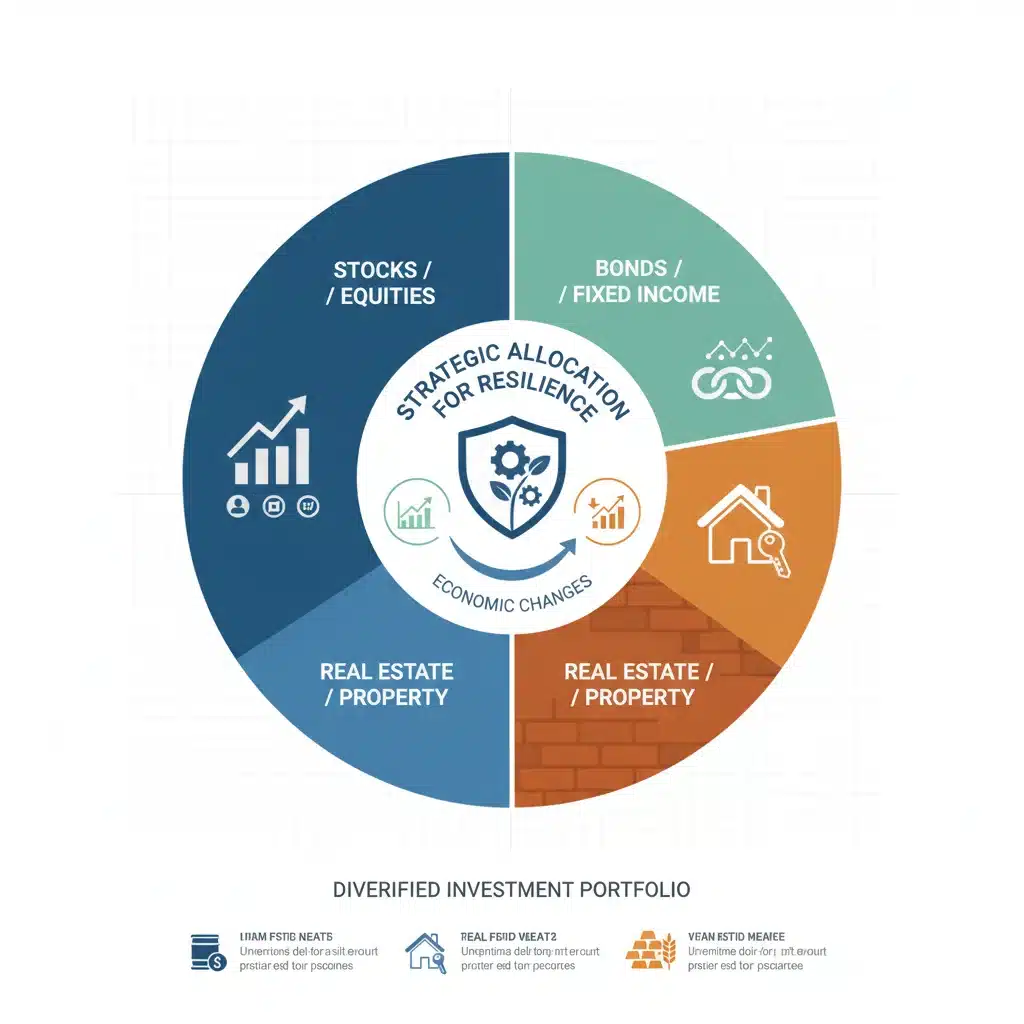
Proactive portfolio management is about mitigating risks and identifying opportunities. By making informed adjustments now, you can help protect your wealth and potentially even grow it during a period of rising interest rates.
Step 4: Optimize Your Cash Flow and Budget
Effective cash flow management and a meticulously planned budget become even more critical when interest rates are on the rise. Higher rates can translate to increased costs for various household expenses, from loan payments to potentially higher prices due to businesses passing on their increased borrowing costs. Optimizing your budget helps you identify areas to cut back and allocate more funds towards debt reduction or savings.
Actionable Strategies:
- Create a Detailed Budget: If you don’t already have one, create a comprehensive budget that tracks all your income and expenses. Use budgeting apps, spreadsheets, or even pen and paper to get a clear picture of where your money is going.
- Identify & Eliminate Non-Essential Spending: Scrutinize your discretionary expenses. Are there subscriptions you rarely use? Can you reduce dining out or entertainment costs? Every dollar saved can be redirected to higher-priority areas, such as debt repayment or your emergency fund, especially in preparation for Fed Rate Hikes 2026.
- Increase Income Streams: Explore opportunities to boost your income. This could involve negotiating a raise, taking on a side hustle, or selling unused items. Extra income provides a stronger buffer against rising costs.
- Automate Bill Payments: Ensure all your bills are paid on time to avoid late fees, which can add unnecessary expenses. Automating payments can also help you track fixed versus variable expenses more easily.
- Plan for Increased Loan Payments: If you have variable-rate loans, calculate how much your payments might increase with a 1%, 2%, or even 3% rise in interest rates. Factor these potential increases into your budget well in advance of Fed Rate Hikes 2026.
A well-managed budget acts as your financial compass, guiding your spending and saving decisions. It empowers you to make conscious choices that align with your financial protection goals, rather than being reactive to economic changes.
Step 5: Stay Informed and Adapt Your Plan
The economic environment is dynamic, and predictions about future interest rate movements can change. While we anticipate Fed Rate Hikes 2026, the exact timing and magnitude will depend on various economic indicators, including inflation, employment data, and global economic conditions. Therefore, staying informed and being willing to adapt your financial plan are crucial for long-term success.
Actionable Strategies:
- Follow Economic News: Keep an eye on announcements from the Federal Reserve, inflation reports (Consumer Price Index – CPI), employment statistics, and GDP growth. Understanding these indicators will give you insights into the Fed’s likely actions.
- Review Your Plan Annually (or more frequently): Your financial situation and goals may evolve, and so should your plan. Schedule regular reviews – at least once a year, but perhaps quarterly as 2026 approaches – to assess your progress, make necessary adjustments, and ensure your plan remains aligned with your objectives in light of Fed Rate Hikes 2026.
- Educate Yourself Continuously: The more you understand about personal finance and macroeconomics, the better equipped you’ll be to make informed decisions. Read financial blogs, listen to podcasts, and consider taking online courses.
- Be Flexible: Economic forecasts are not set in stone. Be prepared to adjust your strategies if the economic outlook changes significantly. Rigidity in financial planning can be detrimental.

Financial resilience isn’t a one-time achievement; it’s an ongoing process. By staying informed and maintaining flexibility, you can ensure your financial protection plan remains robust and effective, regardless of how the economic winds shift, particularly concerning Fed Rate Hikes 2026.
Broader Economic Considerations and Long-Term Outlook
Beyond the immediate steps, it’s also valuable to consider the broader economic implications of sustained periods of rising interest rates. Historically, the Fed raises rates to curb inflation. While this can lead to a slowdown in certain sectors, it’s ultimately aimed at fostering a more stable economic environment in the long run. For U.S. households, this means that while borrowing costs might increase, the purchasing power of their savings could also be preserved or even enhanced as inflation is brought under control.
The housing market, in particular, is highly sensitive to interest rate changes. Higher mortgage rates can cool down an overheated market, making homeownership less accessible for some but potentially stabilizing prices. For those looking to enter the housing market, a period of higher rates might lead to more balanced conditions, even if the initial cost of borrowing is higher. Existing homeowners with fixed-rate mortgages are largely insulated from these changes, while those with ARMs will see their payments adjust.
Small businesses also feel the pinch of rising rates, as their borrowing costs for expansion or operational needs increase. This can impact job creation and overall economic growth. However, a strong household financial position, as outlined in our 5-step plan, contributes to overall economic stability by reducing systemic risk and maintaining consumer spending power where possible.
Understanding these broader dynamics helps contextualize the importance of your personal financial planning. It’s not just about protecting your individual household; it’s about contributing to the collective financial health of the nation by making responsible and informed decisions.
Conclusion: Proactive Planning for a Secure Future
The prospect of Fed Rate Hikes 2026 should not be a source of anxiety, but rather a catalyst for proactive financial planning. By following this 5-step protection plan – assessing and consolidating high-interest debt, fortifying your emergency fund, evaluating and adjusting your investment portfolio, optimizing your cash flow and budget, and staying informed and adaptable – U.S. households can build a robust defense against potential economic headwinds.
Remember, financial planning is a marathon, not a sprint. The decisions you make today will have a lasting impact on your financial well-being tomorrow. By taking these strategic steps, you’re not just reacting to potential changes; you’re actively shaping a more secure and resilient financial future for yourself and your family. Embrace the opportunity to review, refine, and strengthen your financial foundation, ensuring you are well-prepared for whatever economic shifts 2026 and beyond may bring.