

Navigating the 2026 Medicare Part D Changes: 5 Key Updates Affecting Your Prescription Costs
The landscape of healthcare is constantly evolving, and for millions of Americans relying on Medicare Part D for their prescription drug coverage, 2026 is shaping up to be a year of significant transformation. Understanding these upcoming changes is not just about staying informed; it’s about proactively planning for your health and financial well-being. The modifications to Medicare Part D 2026 are designed to reshape how beneficiaries pay for their medications, aiming to reduce out-of-pocket costs for many, but also introducing new structures that require careful attention. This comprehensive guide will delve deep into the five most impactful updates, offering clarity and strategic advice to help you navigate these changes effectively.
For years, Medicare Part D has been a lifeline, helping seniors and individuals with disabilities afford their necessary prescription drugs. However, the program has also been criticized for its complex structure, including the infamous ‘donut hole’ or coverage gap, and the potential for very high out-of-pocket expenses for those with chronic conditions requiring expensive medications. The Bipartisan Budget Act of 2018, followed by the Inflation Reduction Act (IRA) of 2022, laid the groundwork for these monumental shifts. These legislative efforts represent a concerted push to make prescription drugs more affordable and the Part D program more equitable. As we approach 2026, the full implications of these reforms will begin to materialize, making it crucial for every Part D beneficiary to grasp what’s coming.
Our goal here is to demystify the Medicare Part D 2026 changes, breaking down complex policy into understandable insights. We’ll explore the new out-of-pocket spending cap, the restructuring of the catastrophic phase, the changes to premium growth, and other vital adjustments. By understanding these elements, you can better anticipate your future prescription drug costs, make informed decisions about your coverage, and ensure you’re getting the most out of your Medicare benefits. Let’s embark on this journey to understand the future of your prescription drug coverage.
1. The Landmark Out-of-Pocket Spending Cap: A Game Changer for Beneficiaries
Perhaps the most significant and widely anticipated change coming to Medicare Part D 2026 is the introduction of a $2,000 annual out-of-pocket spending cap. This is a monumental shift that will provide unprecedented financial relief to millions of beneficiaries, particularly those with high prescription drug costs. Currently, while there is a catastrophic coverage phase that offers substantial discounts, there is no hard limit on how much a beneficiary might pay out of their own pocket in a given year. This has led to situations where individuals with severe or chronic conditions, requiring expensive specialty drugs, could face tens of thousands of dollars in annual drug costs.
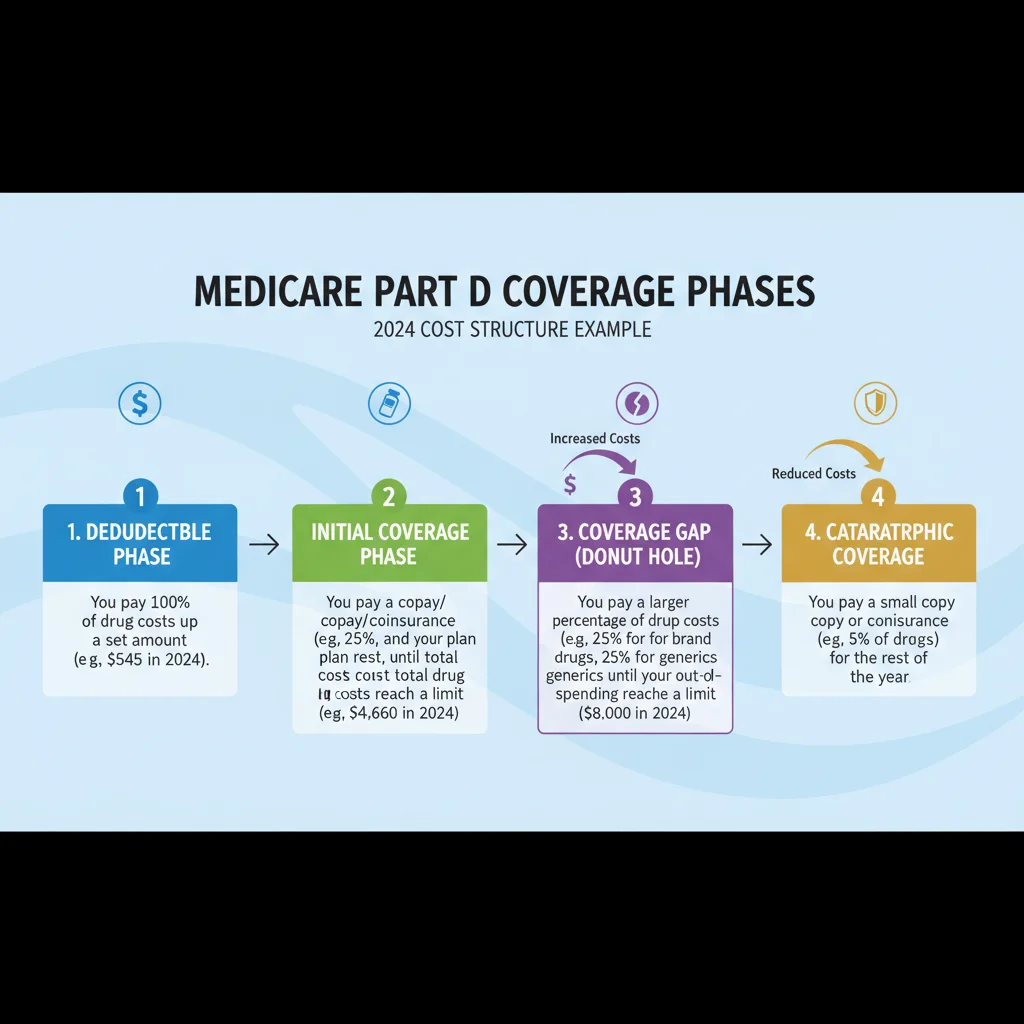
Under the new structure, once a beneficiary’s out-of-pocket spending on covered Part D drugs reaches $2,000 in a calendar year, they will pay nothing for the remainder of that year. This cap includes the deductible, coinsurance, and copayments paid by the beneficiary during the initial coverage phase and the coverage gap (often referred to as the ‘donut hole’). It’s crucial to understand that this cap applies to the beneficiary’s actual payments, not the total cost of their drugs. For example, if your plan’s deductible is $545 (2024 figures, subject to change), and you pay 25% coinsurance after that, all these payments will count towards the $2,000 limit. Once you hit that threshold, your financial responsibility for covered drugs for the rest of the year drops to zero.
This change is expected to have a profound impact, especially for those managing conditions like cancer, multiple sclerosis, or rheumatoid arthritis, where drug costs can easily exceed this amount. For these individuals, the $2,000 cap offers predictability and peace of mind, eliminating the fear of spiraling drug costs. It transforms Part D from a system with potentially unlimited liability into one with a defined maximum financial burden. This reform aligns Medicare Part D more closely with commercial insurance plans, many of which already include out-of-pocket maximums. The introduction of this cap is a direct response to years of advocacy from consumer groups and patient organizations, highlighting the need for greater affordability and protection against high drug costs for seniors. It represents a significant step towards making prescription drugs more accessible and affordable for all Medicare Part D 2026 enrollees.
2. Redefining the Catastrophic Coverage Phase: No More 5% Coinsurance
Hand-in-hand with the new out-of-pocket spending cap is a significant overhaul of the catastrophic coverage phase, which also takes effect in Medicare Part D 2026. Currently, once a beneficiary reaches the catastrophic phase (meaning their true out-of-pocket costs, including manufacturer discounts in the coverage gap, exceed a certain threshold – $8,000 in 2024), they are responsible for paying 5% of the cost of their drugs, with Medicare covering the remaining 80% and their plan covering 15%. While 5% might seem small, for very expensive drugs, this percentage could still translate into substantial monthly costs, especially without an annual cap.
Under the 2026 reforms, the 5% coinsurance requirement in the catastrophic phase will be eliminated entirely. This means that once a beneficiary reaches the catastrophic coverage threshold (which will effectively be superseded by the $2,000 out-of-pocket cap), they will pay nothing for their covered prescription drugs for the remainder of the year. This is a crucial distinction and a major win for beneficiaries. It reinforces the protection offered by the $2,000 cap, ensuring that once you hit that limit, your financial responsibility truly ends.
This change simplifies the Part D cost-sharing structure significantly. It removes a layer of complexity and potential financial burden that previously existed, even for those in the catastrophic phase. The elimination of the 5% coinsurance is designed to work in conjunction with the $2,000 cap, providing a seamless transition to zero out-of-pocket costs once the annual limit is met. This particular adjustment will be especially beneficial for individuals who rely on extremely high-cost medications, as it completely removes the lingering percentage-based cost-sharing that could still add up to considerable amounts. The combined effect of the $2,000 cap and the elimination of catastrophic phase coinsurance represents a fundamental restructuring of Medicare Part D 2026 to prioritize beneficiary affordability and protection.
3. Manufacturer Discounts in the Catastrophic Phase: Shifting Financial Responsibility
Another pivotal change impacting Medicare Part D 2026 involves the financial responsibility of drug manufacturers within the catastrophic coverage phase. Currently, drug manufacturers provide a 70% discount on brand-name drugs in the coverage gap. However, once a beneficiary enters the catastrophic phase, the manufacturer’s responsibility largely diminishes, with Medicare and the plan bearing most of the cost.
The new reforms introduce a significant shift: drug manufacturers will now be required to provide a 20% discount on the cost of brand-name drugs in the catastrophic phase. This is a new obligation for manufacturers in this phase and is expected to contribute to lower overall program costs and potentially stabilize premiums. For generic drugs in the catastrophic phase, plans will be responsible for a greater share of the costs, increasing their liability from 15% to 60%.
This change is critical because it rebalances the financial burden across different stakeholders. By requiring manufacturers to contribute in the catastrophic phase, it incentivizes them to consider the long-term costs of their drugs and potentially moderate price increases. For beneficiaries, while this change doesn’t directly alter their out-of-pocket cap of $2,000, it strengthens the financial foundation of the Part D program, which could indirectly help in controlling premium growth over time. It’s a strategic move to ensure that the costs of the most expensive drugs are not solely borne by taxpayers and Part D plans, but also by the companies that produce them. This restructuring of financial responsibility is a key component of the broader effort to make Medicare Part D 2026 more sustainable and affordable in the long run.
4. Slowing the Growth of Part D Premiums: A Welcome Relief
While the focus is often on out-of-pocket costs, the monthly premiums for Medicare Part D plans are also a significant financial consideration for beneficiaries. The good news for Medicare Part D 2026 is the introduction of a cap on the growth of base Part D premiums. Under the Inflation Reduction Act, the annual growth of the base Part D premium will be limited to 6% through 2029. This means that even if the underlying costs of the program increase sharply, the premium increases passed on to beneficiaries will be moderated.
This premium stabilization mechanism is designed to offer greater predictability and protection against unexpectedly high premium hikes. Historically, Part D premiums have fluctuated, and while some years have seen modest increases, others have seen more substantial jumps. For many seniors on fixed incomes, even small increases in premiums can strain their budgets. By capping the growth rate, the reforms aim to make Part D premiums more manageable and predictable, allowing beneficiaries to plan their healthcare budgets with greater certainty.
It’s important to note that this cap applies to the ‘base beneficiary premium,’ which is a national average. Individual plan premiums can still vary based on the specific plan chosen and geographic location. However, the overall effect of this cap should be a more controlled and slower rate of premium increases across the board. This measure, while perhaps less dramatic than the out-of-pocket cap, is a crucial element in ensuring the long-term affordability and accessibility of Medicare Part D 2026 for all enrollees. It demonstrates a commitment to not only reducing immediate out-of-pocket expenses but also to containing the ongoing cost of coverage.
5. Expanding Eligibility for Low-Income Subsidies (LIS): Enhanced Support for Those Who Need It Most
Beyond the direct cost-sharing changes, Medicare Part D 2026 will also see an expansion of eligibility for the Low-Income Subsidy (LIS) program, often referred to as ‘Extra Help.’ This vital program provides financial assistance to Medicare beneficiaries with limited income and resources to help them pay for their Part D premiums, deductibles, and copayments. Currently, full LIS benefits are available to those with incomes up to 135% of the federal poverty level (FPL) and limited resources. Those with incomes between 135% and 150% of FPL may qualify for partial LIS benefits.
Starting in 2024 (a precursor to the full 2026 changes), the Inflation Reduction Act expanded full LIS benefits to individuals with incomes up to 150% of the FPL and limited resources. This means that a larger segment of low-income beneficiaries will qualify for the most comprehensive financial assistance available under Part D. For these individuals, the LIS program can significantly reduce or even eliminate their Part D premiums, deductibles, and copayments, making prescription drugs much more affordable.
The expansion of LIS eligibility is a critical component of the overall reform package, ensuring that the benefits of the new out-of-pocket cap and other changes are accessible to those who need them most. It addresses a long-standing concern that many low-income seniors were still struggling with drug costs even with some level of assistance. By broadening the eligibility for full Extra Help, the government aims to reduce health disparities and ensure that financial barriers do not prevent vulnerable populations from accessing necessary medications. This change underscores the commitment to equity and affordability within the Medicare Part D 2026 framework, providing a stronger safety net for those facing economic challenges.

Preparing for Medicare Part D 2026: What You Can Do Now
With these significant changes on the horizon for Medicare Part D 2026, proactive planning is more important than ever. While some of the most impactful reforms, like the $2,000 out-of-pocket cap, won’t fully take effect until 2026, understanding them now allows you to strategize for your future healthcare needs. Here are actionable steps you can take:
Review Your Current Plan Annually
Even before 2026, it’s crucial to review your Medicare Part D plan during the Annual Enrollment Period (AEP), typically from October 15 to December 7 each year. Plans can change their formularies (list of covered drugs), premiums, deductibles, and cost-sharing structures annually. What was the best plan for you this year might not be next year. As reforms roll out in phases, staying vigilant with your annual review will be key to optimizing your coverage.
Understand Your Prescription Needs
Keep an updated list of all your prescription medications, including dosages and frequency. This information is vital when comparing Part D plans. Use Medicare’s Plan Finder tool on Medicare.gov to input your drugs and compare plans based on your specific needs. The tool will be updated to reflect the new Medicare Part D 2026 structure as it approaches.
Assess Your Out-of-Pocket Spending
If you currently spend more than $2,000 annually on prescription drugs, the 2026 cap will bring substantial relief. Start tracking your out-of-pocket drug costs now to get a baseline. This will help you understand the financial impact of the new cap on your personal situation. For those with lower drug costs, the changes may still impact premiums or the structure of their current plan.
Check Eligibility for Extra Help
If your income and resources are limited, re-evaluate your eligibility for the Low-Income Subsidy (LIS) program, especially with the expanded criteria. Even if you didn’t qualify before, you might now. Extra Help can significantly reduce your Part D costs, making the new benefits even more accessible.
Consult with a Medicare Expert
Medicare can be complex, and the upcoming changes add another layer of intricacy. Consider speaking with a licensed Medicare broker or a State Health Insurance Assistance Program (SHIP) counselor. These professionals can provide personalized advice, help you understand how the Medicare Part D 2026 changes will affect your specific situation, and assist you in finding the most suitable plan for your needs.
Stay Informed
Medicare.gov and reputable healthcare news sources will be your best resources for ongoing updates. The Centers for Medicare & Medicaid Services (CMS) will release detailed information as 2026 approaches. Staying informed will empower you to make timely and effective decisions about your prescription drug coverage.
The Broader Impact of Medicare Part D 2026 Reforms
The changes slated for Medicare Part D 2026 extend beyond individual beneficiary costs; they represent a fundamental reshaping of the program’s financial architecture and its role in the broader healthcare ecosystem. The intention behind these reforms is multifaceted: to make prescription drugs more affordable for seniors, to reduce the financial burden on beneficiaries with chronic and high-cost conditions, and to introduce greater accountability for drug manufacturers.
One of the most significant long-term impacts could be on drug pricing itself. By requiring manufacturers to contribute more in the catastrophic phase and allowing Medicare to negotiate drug prices (a separate but related provision of the Inflation Reduction Act that phases in earlier), there’s an expectation that these measures will exert downward pressure on overall drug costs. While the direct drug price negotiation for a limited number of drugs begins sooner, the changes to Part D cost-sharing and manufacturer responsibility in 2026 are part of a larger strategy to control pharmaceutical expenditures.
Furthermore, the increased predictability offered by the $2,000 out-of-pocket cap could lead to better adherence to medication regimens. When individuals are not constantly worried about hitting a financial cliff or facing unexpectedly high bills, they are more likely to take their prescribed medications consistently, leading to better health outcomes and potentially reducing other healthcare costs associated with untreated or poorly managed conditions. This is a public health benefit that extends beyond just financial relief.
The reforms also simplify the Part D benefit design by streamlining the catastrophic phase and eliminating the 5% coinsurance. While Part D will still have its complexities, these changes aim to make it more transparent and easier for beneficiaries to understand their maximum financial exposure. This clarity is invaluable for budgeting and planning, especially for those living on fixed incomes.
Finally, the expansion of the Low-Income Subsidy program reinforces the social safety net provided by Medicare. By ensuring that more low-income individuals receive comprehensive financial assistance, the reforms address long-standing inequities and ensure that access to essential medications is not determined by one’s ability to pay. This commitment to equity is a cornerstone of the Medicare Part D 2026 reforms.
Conclusion: Embracing a New Era for Medicare Part D
The upcoming Medicare Part D 2026 changes mark a pivotal moment in the history of prescription drug coverage for millions of Americans. With the introduction of a $2,000 out-of-pocket spending cap, the elimination of catastrophic phase coinsurance, increased manufacturer responsibility, capped premium growth, and expanded Low-Income Subsidies, the program is set to become more affordable, predictable, and equitable. These reforms are a direct response to the challenges beneficiaries have faced for years, particularly those with high drug costs.
While the full implementation of these changes is still a couple of years away, the time to understand and prepare is now. By staying informed, reviewing your current coverage annually, understanding your prescription needs, and seeking expert advice when necessary, you can confidently navigate this new era of Medicare Part D. These changes offer a significant opportunity for improved financial security and peace of mind regarding your prescription drug expenses. Embrace these reforms as a positive step towards a more accessible and affordable healthcare future.