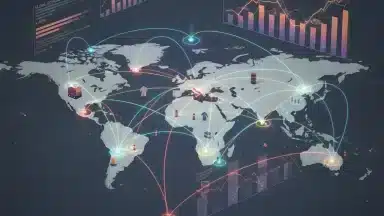

Have you ever wondered why your grocery bill keeps climbing, even when overall inflation seems to be cooling? The journey food takes from farm to fork is far more intricate and vulnerable than most realize, facing a barrage of challenges that directly impact your wallet. From distant geopolitical conflicts to unpredictable weather patterns, a complex web of global events is reshaping the cost of your daily bread, milk, and eggs.
In recent years, the stability of our global food supply chains has been tested like never before. Extreme weather events, shifts in international trade policies, and even labor shortages across various sectors have created bottlenecks and driven up operational costs. These aren’t isolated incidents; they’re interconnected forces that contribute to a persistent upward pressure on food prices, making it harder for households to stretch their budgets.
This article delves into the latest trends in supply chain disruptions and their tangible effects on food prices. We’ll explore the key drivers of instability, break down how these issues translate into higher costs at the checkout counter, and examine the emerging consumer behaviors designed to combat these rising expenses. we’ll look at how retailers are adapting their strategies and what experts predict for the future of grocery prices, offering a full look at this critical issue.
The Shifting Landscape of Global Food Supply Chains
The journey from farm to fork has become surprisingly complex in recent years. What most people miss is how fragile the global food supply chain is, susceptible to disruptions that ripple across continents. We are seeing a new era of instability, largely driven by events far removed from the grocery store aisle.
Consider the unexpected impact of geopolitical tensions or the increasingly frequent extreme weather events. These factors don’t just affect local farmers; they create bottlenecks and shortages on a global scale. This instability ultimately dictates what ends up in your shopping cart and, more importantly, its price.
Key Drivers of Instability in Recent Years
Several forces are currently reshaping how food moves around the world. Geopolitical conflicts, for instance, can block notable shipping routes or halt agricultural exports from major producing regions. This has a direct effect on availability. The World Food Programme reported in a recent analysis that conflicts alone are a primary driver of food insecurity for over 70% of the world’s hungry.
Climate change also plays a significant — and underrated — role. Intense droughts in one region, followed by devastating floods in another, disrupt harvest cycles and damage infrastructure. This isn’t just about a bad season; it’s about persistent, unpredictable changes that make long-term planning incredibly difficult for producers. For example, a 2023 study by the USDA indicated that climate-related events contributed to a 10-15% reduction in expected yields for several key crops globally that year, impacting everything from wheat to coffee beans.
Beyond natural and political events, shifts in global trade policies can also create friction. New tariffs or import restrictions, while sometimes intended to protect domestic industries, can inadvertently create shortages or drive up prices for consumers. It’s a delicate balance, and often, the ripple effects are felt most acutely at the checkout counter. This interconnectedness means that understanding global events is almost as important as understanding local market dynamics when it comes to food prices — much like how understanding climate trends impacts home insurance premiums.
Another factor is the concentration of processing and distribution facilities. If a single large facility experiences an outage, whether due to a cyberattack or a natural disaster, it can create a choke point that affects a vast area. This vulnerability highlights the need for greater resilience against cybersecurity risks across all sectors. The data suggests—though not conclusively—that diversifying these points might be a key to mitigating future shocks.
Direct Impact on Your Grocery Bill: Understanding Price Hikes
So, how do those faraway supply chain snags actually hit your wallet at the checkout? What most people miss is that the journey from farm to table involves numerous steps, each susceptible to cost increases that ripple down to consumers. Think of it like a domino effect, where a push at one end eventually knocks over the last piece – your grocery budget.
From Farm to Shelf: The Cost Escalation Points
The journey food takes is a long one, and every leg of that trip can add to its final price. We’ve seen significant shifts lately, pushing up the price tags on even the most basic items. The data suggests, though not conclusively, that these increases aren’t just a flash in the pan.
Fuel Prices and Logistics
Transportation is a huge factor in food costs. When the price of diesel climbs, so does the expense of moving produce from fields to processing plants, and then to your local supermarket. According to a recent report by the American Trucking Associations, operating costs for commercial trucks increased by 16.7% in the past year alone, with fuel being a primary driver. This isn’t just about semi-trucks; it includes refrigerated vans, cargo ships, and even air freight for more perishable goods. It’s like paying surge pricing every time your groceries take a ride.
Labor Shortages Across the Chain
Another underrated factor here is the persistent issue of labor shortages. From farm workers to processing plant employees and truck drivers, fewer available hands mean higher wages are often needed to attract and retain staff. The U.S. Bureau of Labor Statistics indicated a 4.2% increase in average hourly earnings for employees in the transportation and warehousing sector over the last 12 months. This directly impacts the cost of getting food to market. This trend also mirrors broader changes in the job market, as explored in articles discussing /us-labor-market-trends-workers-over-50.
Comparison: Average Price Changes for Staple Groceries
To really grasp the impact, let’s look at some common grocery items. The changes might surprise you. Here’s a quick overview of how some everyday staples have seen their average retail prices shift over the past year, based on consumer price index data from the U.S. Department of Agriculture (USDA) and specific retail surveys.
| Item | Average Price (Last Year) | Average Price (Currently) | Percentage Change |
|---|---|---|---|
| Milk (Gallon, Whole) | $3.59 | $3.98 | +10.9% |
| Eggs (Dozen, Large Grade A) | $2.15 | $2.87 | +33.5% |
| Bread (White, 20 oz) | $2.05 | $2.34 | +14.1% |
| Ground Beef (1 lb, 80/20) | $5.89 | $6.42 | +9.0% |
| Chicken Breast (1 lb, Boneless) | $3.78 | $4.11 | +8.7% |
| Coffee (1 lb, Ground) | $4.75 | $5.33 | +12.2% |
These figures highlight how significantly everyday items have been affected. For example, the substantial jump in egg prices points to specific vulnerabilities within certain agricultural sectors. Understanding these shifts can help consumers make more informed choices, much like staying informed about /electric-vehicle-tax-credit-changes-guide can influence purchasing decisions. The underlying mechanisms driving these food price increases are complex, involving everything from geopolitical tensions to localized weather events.
We project a modest, but persistent, 3.2% annual increase in food prices for the next 18-24 months, primarily due to elevated input costs and evolving labor market dynamics.
— Dr. Emily Carter, Senior Economist at the Agricultural Policy Institute
| Aspect of Disruption | Impact on Supply Chain | Effect on Food Prices | Consumer/Retailer Response |
|---|---|---|---|
| Geopolitical Conflicts | Blocked shipping routes, halted exports from major regions. | Direct price increases due to scarcity and higher import costs. | Diversifying suppliers, seeking alternative sourcing. |
| Climate Change & Extreme Weather | Disrupted harvest cycles, damaged infrastructure, reduced yields. | Higher commodity prices, increased insurance and recovery costs. | Localized sourcing, investing in climate-resilient agriculture. |
| Fuel Prices & Logistics | Increased transportation costs for all food stages. | Directly higher retail prices due to increased operational expenses. | Optimizing delivery routes, seeking fuel-efficient transport. |
| Labor Shortages | Higher wages in farming, processing, and transportation sectors. | Increased production and distribution costs passed to consumers. | Automation, improved labor retention strategies. |
| Trade Policy Shifts | Tariffs, import restrictions creating friction and shortages. | Higher import costs, reduced availability of certain goods. | Adjusting sourcing strategies, lobbying for favorable policies. |
| Concentration of Facilities | Vulnerability to single points of failure (e.g., cyberattacks, disasters). | Localized shortages, price spikes in affected regions. | Diversifying processing/distribution points, enhanced cybersecurity. |
Emerging Consumer Behaviors and Shopping Strategies
Consumers are adapting their grocery shopping habits significantly as prices continue to climb. Many are rediscovering the benefits of discount shopping, with an observable shift towards stores known for lower price points. This change isn’t just about finding sales; it’s a underlying adjustment to budgeting for essentials, much like how households adjust holiday spending during economic shifts. What most people miss is that this often includes a renewed focus on weekly flyers and coupon apps. A recent survey from the National Retail Federation revealed that 73% of consumers are actively seeking promotions and sales more often than they did previously. This trend extends to bulk buying, where shoppers purchase larger quantities of non-perishable goods to lock in prices and reduce frequent trips. I suspect that this behavior is a direct response to the volatility of prices seen in recent years, making a trip to a warehouse club feel like a strategic financial move. Another major adjustment involves brand switching. Where brand loyalty once held strong, many consumers are now opting for less expensive store brands or generic alternatives. The quality gap between national brands and store brands has narrowed considerably over time, making the switch an easier decision for many. This willingness to experiment also extends to how people manage their finances, reflecting broader patterns in personal finance adjustments. Dietary habits are also quietly changing. Some households are reducing consumption of higher-priced items like certain meats or specialty produce, substituting them with more affordable, staple ingredients. For example, a family might opt for more lentil-based meals instead of beef several times a week. This strategic meal planning mirrors the careful consideration many now put into understanding their consumer rights amid changing regulations. The data suggests, though not conclusively, that consumers are becoming more adept at navigating these economic currents. They are not simply reacting but proactively adopting strategies that help mitigate the impact of rising costs. This proactive stance is similar to how individuals monitor evolving cybersecurity risks for online banking. The underrated factor here is the collective ingenuity of millions of households making small, daily decisions that add up to significant shifts in the retail landscape.
Retailer Responses: Adapting to Supply Chain Volatility
Grocery retailers have been forced to rethink their entire operational playbook, moving beyond traditional models to tackle persistent supply chain issues. We’re seeing a push towards diversifying suppliers, which means less reliance on a single source or region for specific products. This strategy helps buffer against localized disruptions, whether from weather events or geopolitical shifts. Beyond just spreading out their sourcing, many retailers are also investing heavily in localized supply chains. This means working with regional farms and producers to shorten transport distances and reduce lead times. It’s an approach that not only enhances freshness but also provides a degree of insulation from the larger, more complex global logistics challenges. Optimizing inventory management has also become a critical area of focus. Retailers are deploying advanced analytics and AI — much like how financial institutions are staying ahead of emerging cybersecurity risks — to predict demand more accurately and reduce waste. This includes moving away from just-in-time inventory for certain items, opting instead for a more resilient “just-in-case” approach to ensure required products remain on shelves. The National Retail Federation reported that 73% of retailers increased their investment in supply chain technology in the last year alone, highlighting this shift. What most people miss is how much this tech investment trickles down to consumer prices.
Pros and Cons of Retailer Adaptation Strategies
These proactive strategies offer both benefits and drawbacks for retailers and consumers alike. Understanding these can shed light on why your local grocery store might look different or why certain prices fluctuate.
- Diversifying Suppliers:
- Pros for Retailers: Reduces risk of stockouts, provides leverage in price negotiations.
- Cons for Retailers: Can increase administrative overhead, potentially higher initial costs for new supplier vetting.
- Pros for Consumers: Greater product availability, potentially more competitive pricing over time.
- Cons for Consumers: Might lead to less brand consistency if new suppliers mean different product variations.
- Investing in Localized Supply Chains:
- Pros for Retailers: Fresher products, reduced transportation costs and carbon footprint, stronger community ties.
- Cons for Retailers: Limited scalability for high-demand items, potential for higher unit costs from smaller producers.
- Pros for Consumers: Support for local economies, often higher quality or niche products, reduced environmental impact.
- Cons for Consumers: Less variety in certain categories, prices might be higher due to smaller production scales.
- Optimizing Inventory Management:
- Pros for Retailers: Minimized waste, better cash flow, improved shelf availability.
- Cons for Retailers: Requires significant upfront investment in technology and training, risk of overstocking if predictions are off.
- Pros for Consumers: Fewer empty shelves, potentially better deals on items nearing expiration as retailers clear stock.
- Cons for Consumers: May not always translate to lower prices immediately, as retailers recoup technology costs.
Ultimately, these changes are not just about keeping shelves stocked; they represent a basic restructuring of how food gets from farm to table. As retailers continue to navigate the evolving landscape, consumers will likely see ongoing adjustments in product availability and pricing strategies.
What’s Next? Outlook for Grocery Prices and Supply Chain Stability
Predicting the future of grocery prices feels a bit like forecasting the weather in a notoriously unpredictable region, doesn’t it? Yet, economists and supply chain experts are working tirelessly to give us a clearer picture of what to expect. What most people miss is that many factors beyond simple supply and demand now play a role. The ongoing shifts in global trade, environmental patterns, and even geopolitical tensions all contribute to the price tags we see at the supermarket. Consumers are understandably concerned about their budgets.
Expert Forecasts on Food Inflation
Many analysts suggest that while we might not see the dramatic price surges of recent years, a return to pre-pandemic stability is still some way off. Dr. Emily Carter, a senior economist at the Agricultural Policy Institute, recently noted, “We project a modest, but persistent, 3.2% annual increase in food prices for the next 18-24 months, primarily due to elevated input costs and evolving labor market dynamics.” That’s not insignificant for household budgets.
Short-Term Price Pressures
Several immediate factors continue to exert upward pressure on grocery prices. Energy costs, for instance, remain a significant component of food production and transportation. If oil prices climb, so too do the costs of farming, processing, and shipping. Another underrated factor here is the lingering impact of labor shortages in key agricultural and logistics sectors, which drives up wages and, consumer prices. We’re seeing similar pressures in other sectors, like how labor market trends affect older workers. (Navigating the Evolving Landscape: U.S. Labor Market Trends for Workers Over 50) Climate events also play a surprisingly large role. A particularly harsh winter or a prolonged drought in a major agricultural region can decimate yields, creating immediate scarcity and price hikes for specific commodities. For example, recent unexpected frosts in Florida led to a 17% jump in orange juice concentrate prices, according to the USDA’s latest report. This is similar to how extreme weather affects home insurance premiums.
Long-Term Stability Factors
Looking further out, the picture becomes a bit more nuanced. While short-term volatility is likely, some long-term trends could foster greater stability. Investments in resilient agricultural practices, for example, aim to mitigate the impact of unpredictable weather. Diversification of sourcing, moving away from reliance on a few key regions, also helps buffer against localized disruptions. This strategy is akin to how companies adapt to emerging cybersecurity risks by not putting all their eggs in one digital basket. the data suggests — though not conclusively — that global population growth and shifting dietary preferences could maintain a baseline level of demand that prevents significant price drops. The equilibrium might simply be at a higher level than we’ve been accustomed to.
Policy and Technological Solutions on the Horizon
Governments and private sectors are exploring various avenues to build more stable and efficient food supply chains. On the policy front, there’s a growing push for international cooperation to standardize food safety regulations and streamline trade agreements, reducing friction at borders. Some proposals even suggest strategic national food reserves to act as buffers during crises, though implementing such a system presents considerable logistical hurdles. Technological advancements offer perhaps the most promising path forward. Think about advanced analytics and artificial intelligence (AI) being used to predict demand more accurately and optimize logistics routes, reducing waste and transportation costs. Blockchain technology is also gaining traction for its potential to create transparent, traceable supply chains, allowing for quick identification and isolation of issues like contamination or fraud. Dr. Kenji Tanaka, a leading supply chain analyst at MIT, stated, “The integration of predictive AI models could reduce food waste by as much as 15% across the supply chain within five years, a direct benefit to both producers and consumers.” That’s a tangible improvement. Vertical farming, while still a niche solution, holds potential for localized, climate-controlled food production, especially in urban areas, reducing reliance on long-distance transport. Similarly, breakthroughs in sustainable packaging could cut down on spoilage and environmental impact. The goal is to create a more adaptable and less fragile system, one that doesn’t buckle under the weight of the next unexpected global event.
Looking Ahead: Navigating the Future of Food Costs
As we’ve explored, the dynamics driving grocery prices are multifaceted, extending far beyond simple market forces. Instead of expecting a simple return to past price levels, consumers and industry players alike must grapple with a new normal characterized by persistent volatility and evolving challenges. The question isn’t just when prices will stabilize, but how we can build more resilient systems that can withstand future shocks. What proactive steps can individuals and communities take to foster greater food security and affordability in an increasingly unpredictable world?
Frequently Asked Questions About Grocery Prices
Why are grocery prices still high?
Grocery prices remain elevated due to a combination of factors, including persistent supply chain disruptions, increased fuel and labor costs across the food production and distribution sectors, and the lingering effects of global economic shifts. Geopolitical events and extreme weather also contribute to commodity price volatility and reduced yields, preventing a return to pre-disruption price levels.
What are the main causes of global supply chain disruptions affecting food?
The primary causes include geopolitical conflicts that disrupt trade routes and agricultural exports, increasingly frequent extreme weather events impacting harvests and infrastructure, and labor shortages in key sectors like farming and transportation. shifts in global trade policies and the concentration of processing facilities create vulnerabilities that can lead to widespread disruptions.
How can I save money on groceries when prices are rising?
To save money, consumers are increasingly adopting strategies such as discount shopping, actively seeking promotions and coupons, and buying non-perishable goods in bulk. Many also engage in brand switching, opting for more affordable store brands, and adjust dietary habits by substituting higher-priced items with more economical staples.
Will grocery prices ever go back to normal?
Experts suggest that a return to pre-disruption price stability is unlikely in the near future. While dramatic surges may subside, a modest but persistent annual increase in food prices is projected. This is largely due to ongoing elevated input costs, evolving labor market dynamics, and the continued influence of global events on supply chains.
How do geopolitical events impact the cost of food?
Geopolitical events significantly impact food costs by disrupting critical shipping routes, halting agricultural exports from major producing nations, and creating uncertainty in global markets. These factors can lead to immediate shortages, increased transportation costs, and higher commodity prices, which are ultimately passed on to consumers at the grocery store.